Advocate moves Delhi High Court, seeks directions to force-feed activist Sonam Wangchuk
Source Entity
Sohini Ghosh
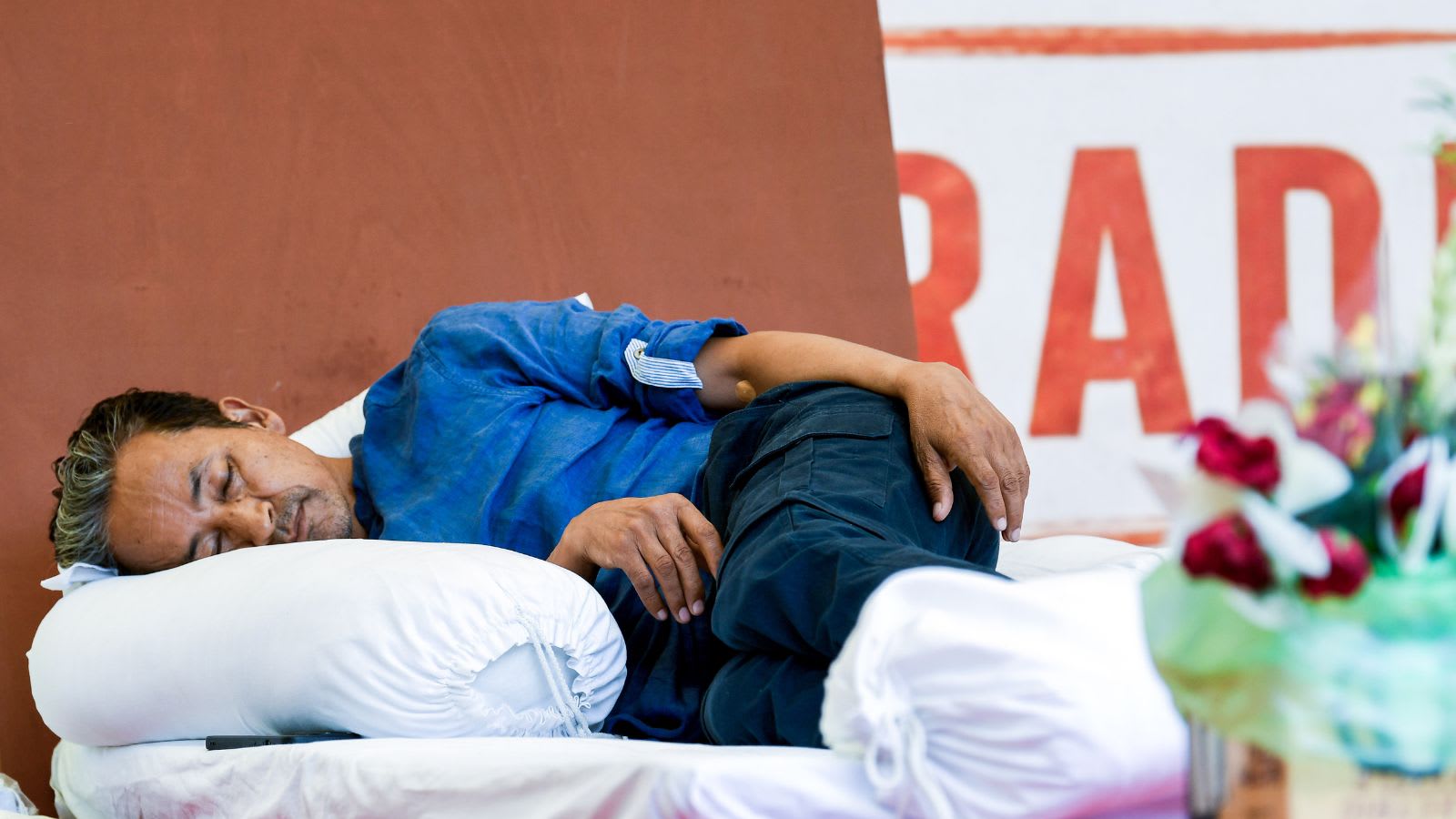
An advocate has approached the Delhi High Court seeking directions to force-feed environmentalist and activist Sonam Wangchuk, who is on the 18th day of an indefinite hunger strike demanding the resignation of Union Education Minister Dharmendra Pradhan over the NEET paper leak controversy.
Legal Intervention Amidst Activism: The Case of Sonam Wangchuk
The recent petition filed in the Delhi High Court seeking directions to force-feed activist Sonam Wangchuk marks a critical intersection between individual political expression and the state's duty of care. Wangchuk, a globally recognized educator and environmentalist, has entered the 18th day of an indefinite hunger strike. This protest is not an isolated act but a targeted campaign in support of the Citizens for Justice and Peace (CJP) movement, specifically demanding the accountability and resignation of Union Education Minister Dharmendra Pradhan following the widespread controversies surrounding the NEET paper leaks.
The NEET Controversy and Systemic Failure
To understand the intensity of Wangchuk's protest, one must look at the broader implications of the NEET (National Eligibility cum Entrance Test) paper leaks. For millions of aspiring medical students in India, NEET is the sole gateway to professional education. The revelation of paper leaks and irregularities has not only jeopardized the meritocratic nature of the exam but has also sparked a national debate on the integrity of the National Testing Agency (NTA). By demanding the resignation of the Education Minister, Wangchuk is highlighting a perceived failure in administrative oversight and a lack of institutional accountability, arguing that the systemic collapse of a national exam requires leadership changes to restore public trust.
The Ethics of Force-Feeding and Legal Precedents
The move by an advocate to seek a court order for force-feeding introduces a complex legal and ethical dilemma. Historically, the Indian judiciary has balanced the 'right to life' (Article 21) against the 'right to protest.' While the state often intervenes to prevent the death of high-profile hunger strikers to avoid political instability or humanitarian crises, force-feeding is often viewed by activists as a violation of bodily autonomy and a means for the state to silence a peaceful protest. This petition suggests a legal strategy to shift the narrative from the political demands of the strike to the medical urgency of the striker's health, potentially neutralizing the political momentum of the hunger strike.
Sonam Wangchuk’s Legacy of Non-Violent Resistance
Sonam Wangchuk is no stranger to high-stakes activism. Known for his work in Ladakh and his advocacy for environmental protection and educational reform, Wangchuk utilizes the Gandhian philosophy of Satyagraha (truth-force). His decision to fast for 18 days underscores the severity with which he views the NEET scandal. By linking his environmentalist credentials to a struggle for educational justice, Wangchuk is attempting to build a coalition of youth and intellectuals against systemic corruption. His presence as a face of the movement brings significant visibility to the CJP campaign, transforming a student-led grievance into a national human rights issue.
Broader Implications for Democratic Protest
This event reflects a growing trend in Indian politics where the judiciary is increasingly called upon to mediate between the executive branch and civil society activists. The request to force-feed a protester can be interpreted as a mechanism of 'benevolent coercion,' where the law is used to ensure survival while simultaneously curtailing the efficacy of the protest. If the court grants the request, it may set a precedent for how the state handles indefinite fasts, potentially discouraging future activists from using hunger strikes as a tool for political leverage.
Conclusion
The situation surrounding Sonam Wangchuk is a microcosm of the tension between institutional stability and the demand for transparency. While the legal petition focuses on the immediate preservation of life, the underlying cause—the NEET paper leak—remains an unresolved wound in the Indian education system. The outcome of the Delhi High Court's decision will not only determine Wangchuk's physical fate but will also signal the judiciary's stance on the limits of non-violent protest in the face of administrative failure.