Kerala HC seeks response from Transport Commissioner, MoRTH on illegal vehicle modifications posing risks
Source Entity
India Latest News: Top National Headlines Today & Breaking News | The Hindu
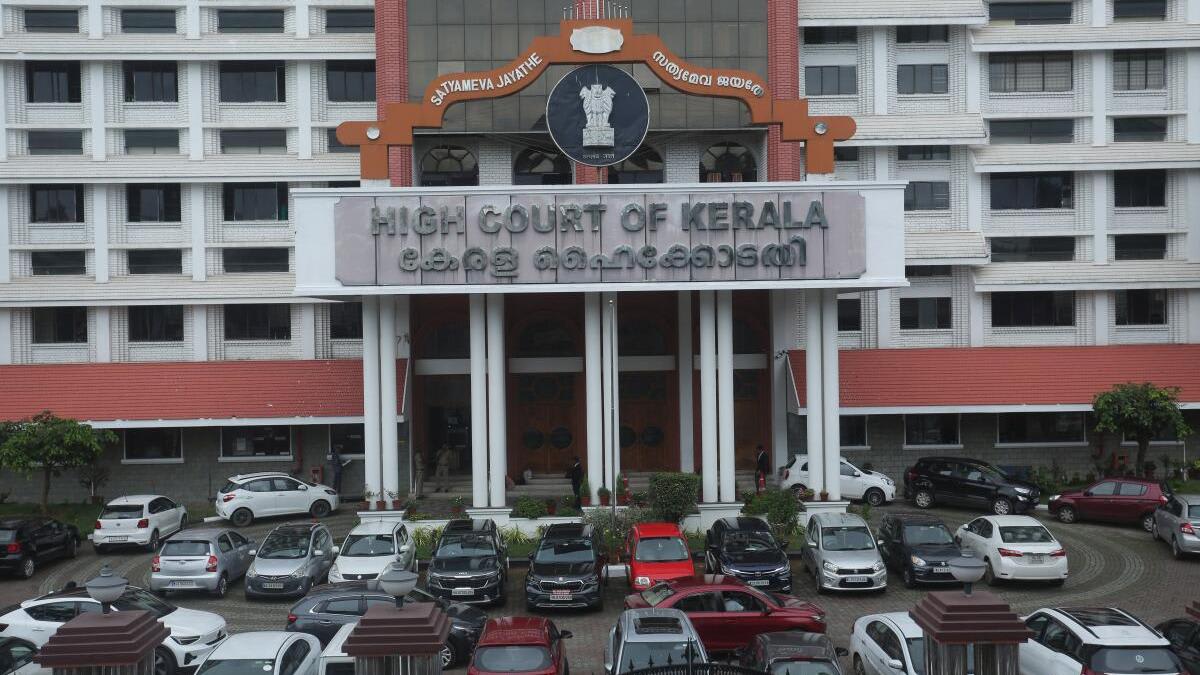
The Kerala High Court has demanded a response from the State's Transport Commissioner and the Union Ministry of Road Transport and Highways (MoRTH) regarding the ongoing issue of unauthorized vehicle modifications that pose significant risks to public safety.
Judicial Intervention Against Unauthorized Vehicle Modifications
In a significant move to bolster road safety and ensure adherence to automotive standards, the Kerala High Court has intervened in the growing trend of illegal vehicle modifications. By seeking detailed responses from both the State Transport Commissioner and the Union Ministry of Road Transport and Highways (MoRTH), the court is addressing a critical gap in the enforcement of existing motor vehicle laws. This legal scrutiny underscores a growing concern over how unauthorized alterations to vehicles—often performed for aesthetic or performance reasons—are compromising the structural integrity of automobiles and endangering the lives of both drivers and pedestrians.
The Conflict Between Customization and Safety
Vehicle modification has become a widespread trend among enthusiasts, particularly in the youth demographic, where altering the chassis, engine, lighting systems, and exhaust notes is seen as a form of self-expression. However, from a technical and legal standpoint, these modifications often bypass the rigorous safety certifications mandated by the manufacturer and the government. When a vehicle's original design is altered without professional engineering oversight and regulatory approval, it can lead to catastrophic failures, such as braking malfunctions or structural collapses during collisions. The Kerala High Court's inquiry highlights the tension between personal preference and the non-negotiable requirement for public safety on shared roads.
Jurisdictional Accountability: State vs. Union
One of the most analytical aspects of this court order is the inclusion of both the State Transport Commissioner and MoRTH. This reflects the dual-layered nature of transport governance in India. While the Union Ministry (MoRTH) is responsible for framing the overarching Central Motor Vehicles Rules (CMVR), the actual enforcement, inspection, and penalization of offenders fall under the jurisdiction of state-level transport departments. By questioning both entities, the High Court is effectively investigating whether the issue stems from a lack of clear central guidelines or a failure of state-level enforcement. This pressure is likely to force a more synchronized approach to monitoring illegal workshops and conducting stricter roadside inspections.
Broader Implications for Road Safety
Beyond the immediate legal proceedings, this case touches upon the broader crisis of road safety in India. Illegal modifications, such as the installation of high-intensity discharge (HID) lamps that blind oncoming traffic or the removal of safety guards, contribute directly to the increase in road accidents. The court's proactive stance suggests that the judiciary is no longer viewing these alterations as minor cosmetic changes but as serious regulatory violations. This could set a precedent for other states to tighten their grip on the unregulated 'modification industry,' potentially leading to a nationwide crackdown on unauthorized garages and the vehicles they produce.
Predicting Future Regulatory Trends
Moving forward, this judicial push is likely to result in a more stringent certification process for any vehicle alterations. We can expect the Transport Department to implement more rigorous fitness tests and perhaps introduce a digital tracking system for vehicle modifications to ensure they are approved by certified engineers. Furthermore, it may prompt MoRTH to update the CMVR to provide clearer distinctions between 'permitted' and 'prohibited' modifications, thereby reducing ambiguity for both the public and enforcement officers. The outcome of this case will likely define the legal boundaries of vehicle customization in the state of Kerala and beyond.
Conclusion
Ultimately, the Kerala High Court's demand for accountability from the Transport Commissioner and MoRTH is a necessary step in curbing a dangerous trend. By prioritizing safety over aesthetics, the court is reminding citizens and authorities alike that the road is a public space where safety standards must be absolute. The resolution of this matter will not only determine the fate of modified vehicles in the state but will also reinforce the rule of law regarding automotive safety and regulatory compliance.
Verification Required?