Kerala high-speed rail: CM Satheesan says govt panel finds Delhi Metro Rail Corporation proposal ‘incomplete’
Source Entity
India Latest News: Top National Headlines Today & Breaking News | The Hindu
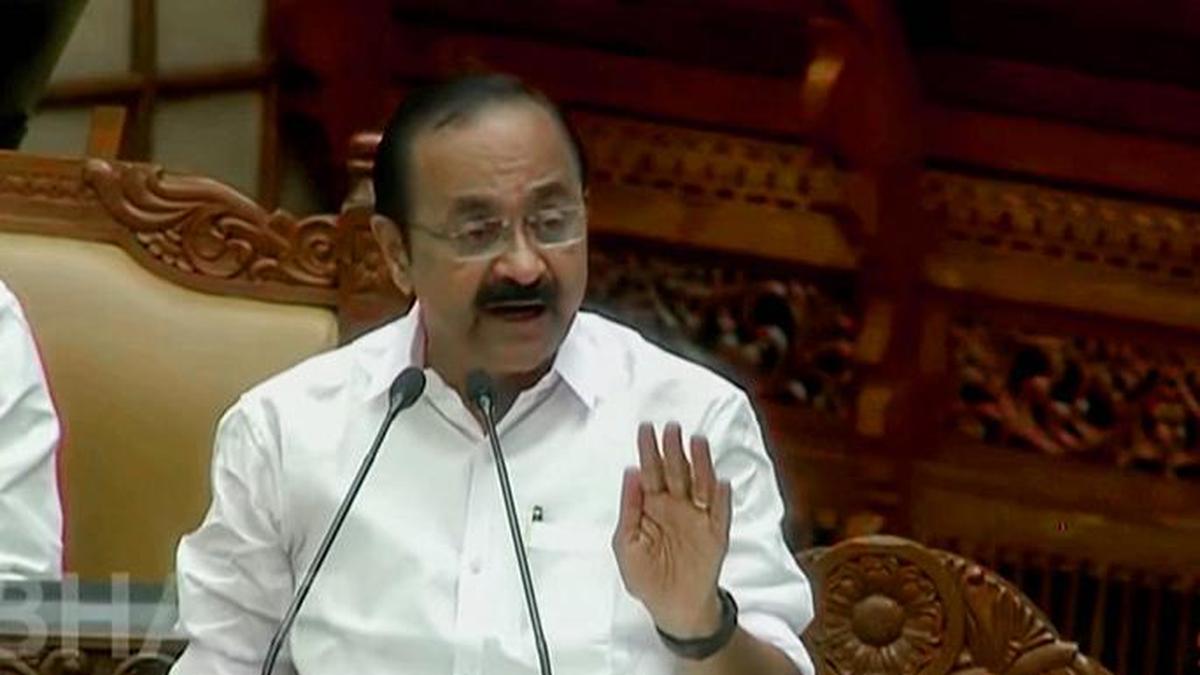
The Kerala government has declared a high-speed rail proposal submitted by the Delhi Metro Rail Corporation (DMRC) as 'incomplete.' Leadership emphasized that the state must avoid repeating the planning and execution errors that led to the scrapping of the previous K-Rail project.
Analysis of Kerala's High-Speed Rail Proposal Rejection
The Kerala government has recently taken a critical stance regarding the modernization of its transit infrastructure, specifically concerning a high-speed rail proposal submitted by the Delhi Metro Rail Corporation (DMRC). According to the state leadership, a government panel has evaluated the DMRC's submission and found it to be 'incomplete.' This decision signals a cautious approach by the state administration, prioritizing thoroughness and viability over the rapid implementation of high-profile infrastructure projects.
The 'Incomplete' Verdict and Technical Implications
When a government panel labels a major infrastructure proposal as 'incomplete,' it typically suggests a lack of critical data in key areas such as detailed project reports (DPR), financial sustainability models, or comprehensive environmental impact assessments. For a high-speed rail project, which requires immense capital investment and precise land-use planning, any gap in the proposal can lead to massive cost overruns or legal hurdles. By rejecting the current DMRC proposal, the state is demanding a more robust blueprint that addresses the specific topographical and demographic challenges of Kerala, rather than a generic template applied from other urban centers.
The Shadow of the K-Rail Project
Central to this decision is the historical context of the scrapped K-Rail project. The previous attempt to introduce high-speed rail in Kerala was met with significant public resistance, primarily due to concerns over land acquisition, the displacement of local communities, and the potential ecological damage to the state's fragile wetlands and forests. The leadership's explicit mention of not 'repeating the mistakes' of K-Rail indicates that the government is now hyper-aware of the social and environmental volatility associated with linear infrastructure. This suggests that any future proposal will be scrutinized not just for technical feasibility, but for its social license to operate.
DMRC's Role and the Challenge of Scale
The involvement of the Delhi Metro Rail Corporation (DMRC) is noteworthy, as the organization is widely regarded as one of India's most efficient executors of urban transit. However, there is a fundamental difference between the localized, high-density nature of a Metro system and the long-distance, high-velocity requirements of a high-speed rail corridor. The 'incomplete' nature of the proposal may stem from this discrepancy—applying metro-centric planning to a regional rail network. The state's refusal to move forward without a complete plan suggests they are unwilling to let the DMRC 'learn on the fly' with Kerala's land and resources.
Political and Strategic Implications
Politically, this move allows the current administration to position itself as a protector of the state's land and environment while still appearing open to modernization. By placing the burden of proof on the DMRC, the government avoids the political fallout of pushing a flawed project. This strategy reflects a broader shift in Indian infrastructure governance, where the focus is moving away from 'announcement-driven' development toward 'evidence-based' implementation. It demonstrates a preference for stability and public consensus over the prestige of owning a high-speed rail link.
Future Outlook and Requirements
Moving forward, for any high-speed rail proposal to be accepted, it will likely need to include a comprehensive mitigation plan for environmental impact and a transparent land-acquisition strategy that provides fair compensation and minimal disruption. The state will likely require a detailed cost-benefit analysis that proves the rail system will be economically viable without placing an undue debt burden on the state exchequer. We can expect a period of renegotiation where DMRC is asked to provide more granular data on route alignment and social impact.
Conclusion
In summary, the rejection of the DMRC proposal is a calculated move rooted in the lessons learned from the K-Rail failure. By insisting on a 'complete' proposal, the Kerala government is attempting to balance the urgent need for modernized transport with the necessity of environmental preservation and social stability. The outcome will depend on whether the DMRC can adapt its planning to the unique constraints of the Kerala landscape.
Verification Required?