Two law students arrested for hurling abuses in Supreme Court, disrupting proceedings
Source Entity
India Latest News: Top National Headlines Today & Breaking News | The Hindu
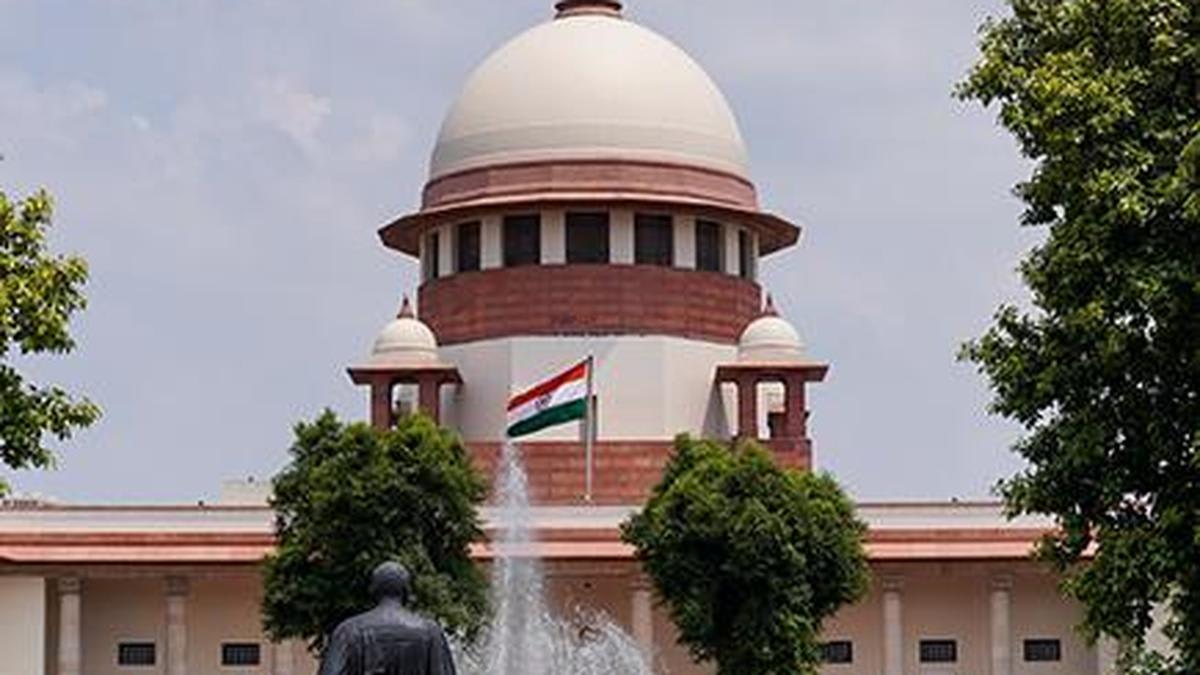
Two law students were arrested for disrupting proceedings in the Supreme Court of India on July 10 after hurling abuses during a hearing in Court No. 13.
Judicial Decorum Shattered: Analysis of the Supreme Court Disruption
In a startling breach of judicial protocol, two law students were arrested on July 10 following an incident of verbal abuse and disruption within the hallowed halls of the Supreme Court of India. The incident took place in Court No. 13 during the hearing of a Special Leave Petition (Civil), specifically the case of Prabal Pratap and Another vs State of Uttar Pradesh through Commissioner. This event is particularly jarring given the location—the apex court of the country—where the highest standards of decorum and respect for the law are expected to be upheld.
The Gravity of Courtroom Disruptions
Courtrooms are not merely venues for legal arguments; they are symbols of the state's authority and the rule of law. The act of hurling abuses during a live proceeding is not just a behavioral lapse but a direct assault on the administration of justice. Such disruptions can impede the court's ability to hear arguments fairly and can intimidate the parties involved. In the legal framework of India, such actions can be categorized under 'Contempt of Court,' as they scandalize the court or lower its authority, potentially leading to severe legal consequences beyond simple arrest.
The Irony of Legal Education and Professional Ethics
There is a profound irony in the fact that the perpetrators were law students. As aspiring lawyers, these individuals are expected to be 'officers of the court,' a title that carries a heavy burden of ethical responsibility. Legal education emphasizes not only the knowledge of statutes but also the practice of professional etiquette and the sanctity of the judicial process. This incident suggests a critical gap between academic learning and the practical application of professional ethics, raising questions about the sensitization of law students regarding the gravity of courtroom conduct.
Implications for Judicial Security and Access
While the Supreme Court is an open forum intended to ensure transparency in the delivery of justice, this incident highlights the delicate balance between public access and security. The ability of individuals to disrupt a hearing in Court No. 13 suggests that security protocols may need to be re-evaluated to prevent emotional or politically charged outbursts from interfering with judicial functions. The court must ensure that while the public can witness the law in action, the environment remains conducive to the focused deliberation required for complex legal petitions.
Historical Context of Courtroom Sanctity
Historically, the Indian judiciary has maintained a strict stance on the 'majesty of the law.' From the colonial era to the modern day, the physical and atmospheric sanctity of the court has been used to ensure that judges can deliberate without external pressure or harassment. When this sanctity is breached, it sets a dangerous precedent that could embolden others to use the courtroom as a stage for protest or personal grievances rather than a place for legal resolution. The swift arrest of the students serves as a signal that the court will not tolerate the erosion of these long-standing norms.
Future Trends in Judicial Management
Moving forward, this event is likely to trigger a push for stricter monitoring of gallery attendees and a renewed emphasis on 'courtroom etiquette' training within law schools across India. We may see a trend toward more rigorous screening or the implementation of stricter codes of conduct for students attending hearings for educational purposes. Furthermore, the judiciary may look into enhancing the presence of security personnel within the courtrooms to act as a more immediate deterrent against disruptive behavior.
Conclusion
The arrest of two law students for disrupting the proceedings in Prabal Pratap vs State of Uttar Pradesh serves as a sobering reminder of the fragility of courtroom order. While the legal system is designed to be accessible, it cannot function if the basic respect for the bench and the process is discarded. This incident underscores the necessity of integrating rigorous ethical training into legal education and the importance of maintaining a secure, respectful environment in the nation's highest court to ensure the impartial administration of justice.
Verification Required?