‘Look at yourself first’: Azhar Ali tears into Aaqib Javed over Pakistan slump
Source Entity
The Indian Express
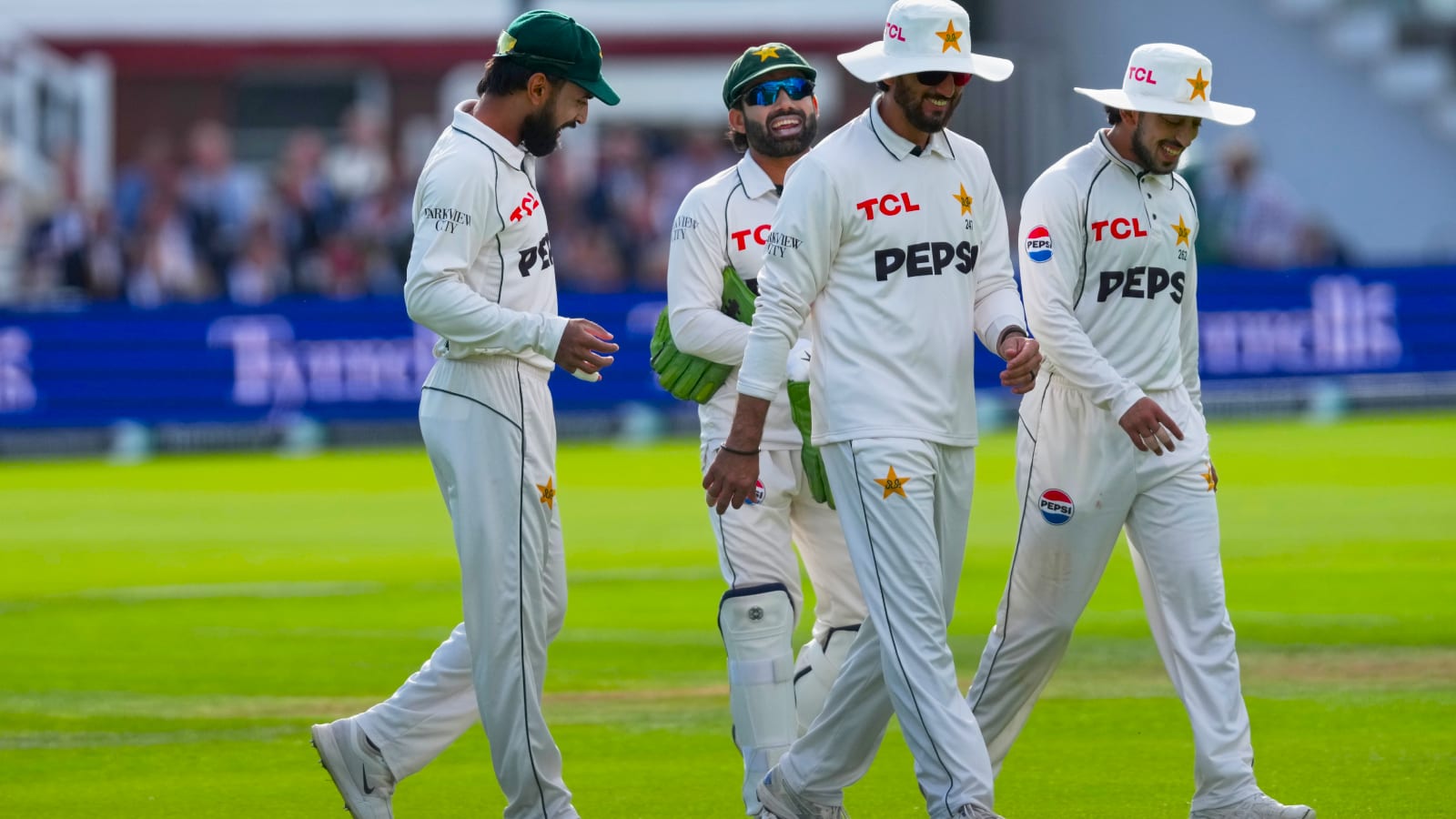
Former Pakistan cricketers Azhar Ali and Saeed Ajmal have launched a scathing critique of the PCB and High Performance Director Aaqib Javed. They argue that poor management, inconsistent decision-making, and the mid-series sacking of players have severely demoralized the team.
The Crisis of Confidence: Assessing the PCB Leadership
The landscape of Pakistan cricket is currently defined by intense internal friction, as former stalwarts Azhar Ali and Saeed Ajmal have publicly condemned the Pakistan Cricket Board (PCB) and High Performance Director Aaqib Javed. The core of this discontent stems from a perceived lack of accountability within the board, characterized by what Ali describes as three years of consistently poor decision-making. The frustration is palpable, with former players suggesting that the current management, rather than addressing systemic flaws, has resorted to shifting blame onto individuals like Babar Azam and Sarfaraz Ahmed.
The Impact of Mid-Series Turmoil
The situation reached a critical juncture following the PCB’s decision to sack seven players and dismiss the head coach and his assistant during an ongoing series against England. Saeed Ajmal has been particularly vocal, arguing that this unprecedented move has done more to demotivate the national squad than any external criticism. By removing key personnel with a Test match still remaining at Edgbaston, the board has been accused of fostering a culture of instability that prevents players from finding their footing or maintaining professional morale.
Accountability and the Role of Aaqib Javed
Central to the controversy is the role of Aaqib Javed, the High Performance Director. Azhar Ali’s critique is targeted: he suggests that Javed has a recurring pattern of deflecting responsibility when his strategic decisions backfire. The sentiment is that Javed—who was involved in the appointment of leaders like Babar and Sarfaraz—now attempts to scapegoat those same individuals for the team’s recent failures. Ali contends that if Javed cannot influence the team’s fortunes positively, he should step aside rather than continue to preside over a decline.
The Board’s Stance vs. Reality
PCB Chairman Mohsin Naqvi has attempted to defend the board's actions, publicly stating that the organization will not tolerate the unfair blaming of players. However, this narrative is being challenged by figures like Ajmal, who argue that the PCB’s own policies of dropping high-performing players and subjecting them to public humiliation are the primary drivers of the current malaise. The disconnect between the board’s stated desire to protect player confidence and the reality of their management style has created a widening rift in the cricketing community.
Long-Term Implications for Pakistan Cricket
Saeed Ajmal’s assertion that Pakistan cricket has effectively "gone back 10 years" highlights the severity of the institutional crisis. The combination of management instability, the firing of coaches like Mike Hesson, and the frequent turnover of players suggests a lack of a cohesive long-term vision. Without a stable environment, the team risks continuing its current trajectory of underperformance, as players are unable to develop or perform under a leadership structure that is viewed as both erratic and dismissive of player welfare.
Conclusion
The current state of Pakistan cricket reflects a deep-seated institutional failure where administrative decisions are being prioritized over sustainable team development. As the PCB navigates the fallout from the England series, the voices of legends like Ali and Ajmal serve as a stark warning: until the board addresses its own internal accountability and stops the cycle of mid-series upheavals, the team is unlikely to regain its competitive edge on the international stage.