'Difficult assignment': Babar Azam advised to stay away from media on England tour
Source Entity
TOI SPORTS DESK
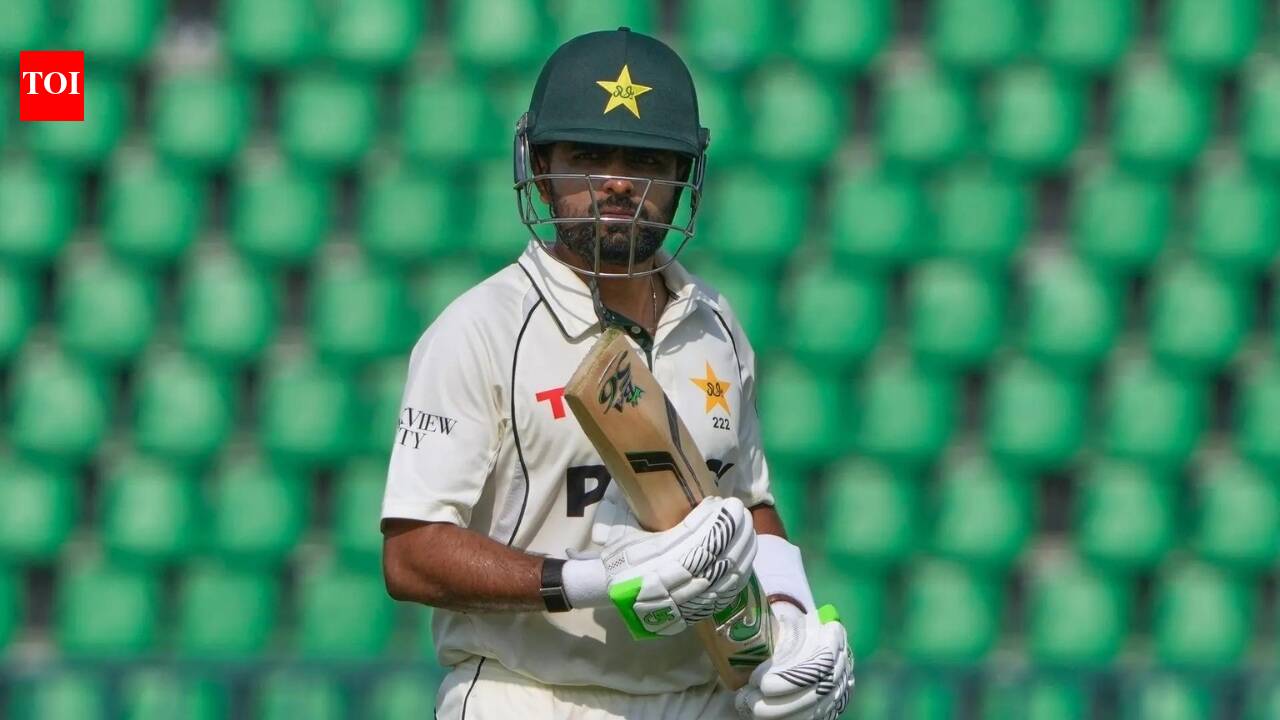
Former cricketer Rashid Latif has advised the PCB to shield Babar Azam from English media interactions during the upcoming tour. The suggestion aims to reduce pressure on the star batter, proposing Shan Masood take over media duties instead.
Strategic Media Management for Pakistan Cricket
As the Pakistan cricket team prepares for its high-stakes tour of England, former wicketkeeper-batter Rashid Latif has offered a significant piece of strategic advice regarding team leadership and public relations. Latif has formally suggested that the Pakistan Cricket Board (PCB) should keep star batter Babar Azam away from media interactions throughout the duration of the series. This recommendation highlights the intense scrutiny that accompanies international cricket tours in England, where the media environment is notoriously demanding and often hyper-critical of visiting captains.
The Pressure of English Media Scrutiny
The English media landscape is known for its relentless pace and its tendency to focus heavily on the individual form and decision-making capabilities of high-profile players. For a player of Babar Azam's stature, every press conference is scrutinized for signs of vulnerability or tactical insecurity. Latif's concern is rooted in the idea that these interactions can become a 'difficult assignment' for a captain who is already navigating the immense pressure of leading a national squad in foreign conditions. By shielding him, the PCB could potentially allow the star batter to focus exclusively on his performance on the pitch.
Empowering Shan Masood as a Media Liaison
To fill the potential void left by Babar Azam’s withdrawal from the media spotlight, Latif has pointed toward current Test captain Shan Masood. Masood is widely regarded for his articulate communication skills and his deep understanding of the global cricketing landscape. By positioning Masood as the primary voice for the team’s media interactions, the PCB could ensure that the side remains well-represented while simultaneously insulating their most valuable run-scorer from the potentially distracting nature of post-match press conferences and pre-series interviews.
Balancing Performance and Public Perception
This debate underscores a broader, modern challenge in international sports: the delicate balance between commercial/media obligations and the mental well-being of elite athletes. Cricket captains are expected to be the faces of their respective boards, yet the mental toll of constant public questioning can impact on-field output. If the PCB adopts this strategy, it would reflect a conscious effort to prioritize Babar Azam's concentration and technical preparation over traditional expectations of media engagement.
Future Trends in Team Management
As cricket becomes increasingly data-driven and high-pressured, we may see more teams adopting 'media-rotation' policies. This approach, where the captain is not the sole spokesperson, allows for a more distributed leadership model. If the Pakistan team successfully navigates the England tour by employing this strategy, it could set a precedent for how boards manage their star assets in highly hostile or demanding press environments, ensuring that players remain protected from unnecessary psychological fatigue during critical tournament phases.
Conclusion
Ultimately, the suggestion to limit Babar Azam’s media exposure is a tactical maneuver aimed at optimizing team performance. By leveraging the communication strengths of leaders like Shan Masood, the PCB can manage the narrative of the tour more effectively. Whether or not the board chooses to follow this specific advice, the conversation itself highlights the evolving nature of professional sports management, where protecting the headspace of a star player is considered just as vital as their physical conditioning.