Badal attacks Punjab Cong leaders over Sonia's clean chit to 'killers of Sikhs'
Source Entity
KARAN MANRAL
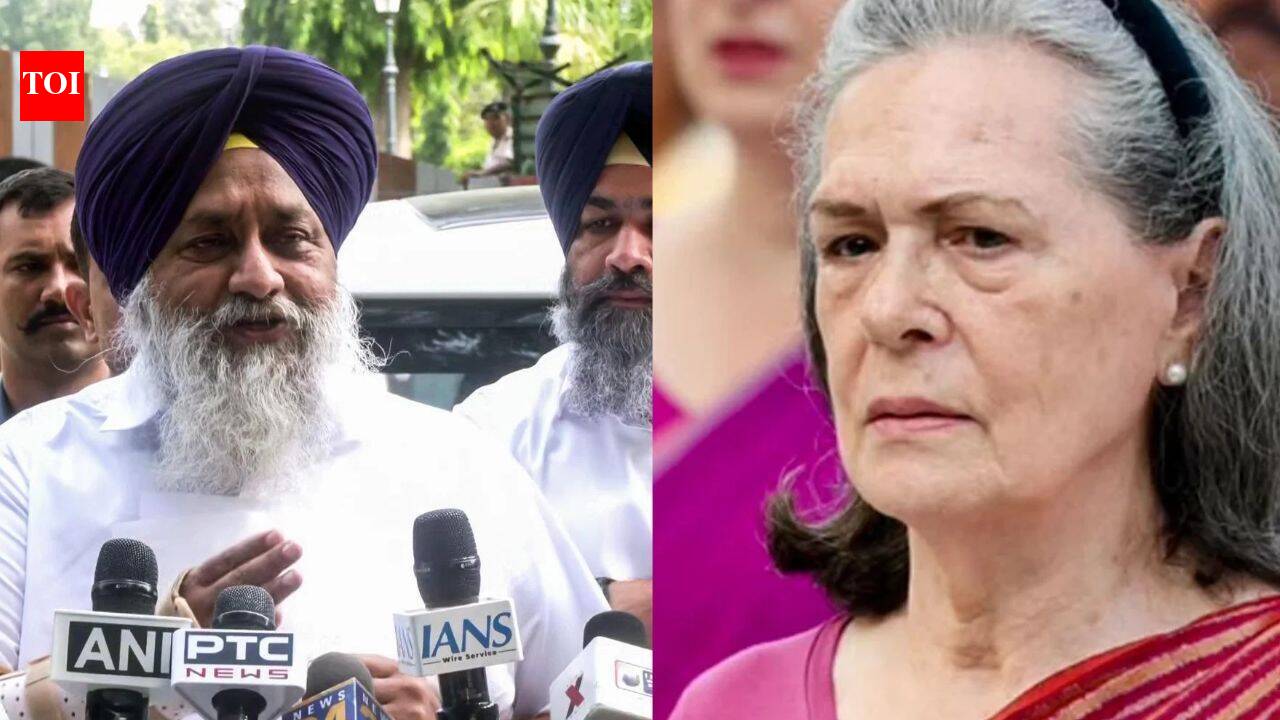
Sukhbir Badal has demanded that Punjab Congress leaders clarify their stance following Sonia Gandhi's alleged 'clean chit' to those involved in the 1984 anti-Sikh riots. This critique underscores the persistent political tension surrounding the historical trauma of the riots within Punjab's political discourse.
The Resurgent Controversy of 1984
The political landscape of Punjab remains deeply scarred by the events of 1984, a period that continues to influence modern electoral dynamics. Sukhbir Singh Badal, representing the Shiromani Akali Dal, has recently intensified his rhetoric against the Punjab Congress, specifically targeting their silence regarding what he describes as a 'clean chit' provided by Sonia Gandhi to those involved in the anti-Sikh violence. This demand for accountability highlights the enduring weight of historical grievances in the state’s political narrative.
Historical Context and Political Accountability
The 1984 anti-Sikh riots remain one of the most sensitive and divisive issues in Indian politics. For the Shiromani Akali Dal, framing the Congress party as being complicit in or dismissive of the perpetrators is a core strategy to consolidate their support base among the Sikh community. By challenging Punjab Congress leaders to 'break their silence,' Badal is attempting to force his political rivals into a defensive position, questioning their loyalty to regional sentiments versus their national party affiliations.
The Strategic Intent of the Critique
Sukhbir Badal’s attack is not merely a rhetorical flourish; it is a calculated effort to highlight a perceived moral discrepancy. By linking the national leadership of the Congress party directly to the 'killers of Sikhs,' Badal aims to erode the Congress party's credibility within Punjab. The demand for silence-breaking acts as a litmus test, forcing local Congress leaders to choose between defending Sonia Gandhi’s past statements or acknowledging the grievances of the victims' families.
Broader Implications for Punjab Politics
This confrontation suggests that the ghost of 1984 will continue to be a primary tool for political mobilization. In a state where regional identity is inextricably linked to historical trauma, the failure of any major party to address these concerns definitively allows opponents to frame them as indifferent to the community’s pain. This dynamic likely ensures that historical memory remains a central, albeit volatile, feature of every election cycle in Punjab.
Future Trends and Electoral Impact
Moving forward, it is probable that such accusations will intensify as political competition grows. If the Congress leadership in Punjab remains unable to reconcile these national-level controversies with the local electorate's expectations, they risk losing ground to parties that prioritize these specific historical narratives. The outcome of this discourse will depend on whether the public perceives these demands as genuine calls for justice or as purely opportunistic political maneuvering.