Lyft and Baidu enter London’s robotaxi battleground as testing begins
Source Entity
Kirsten Korosec
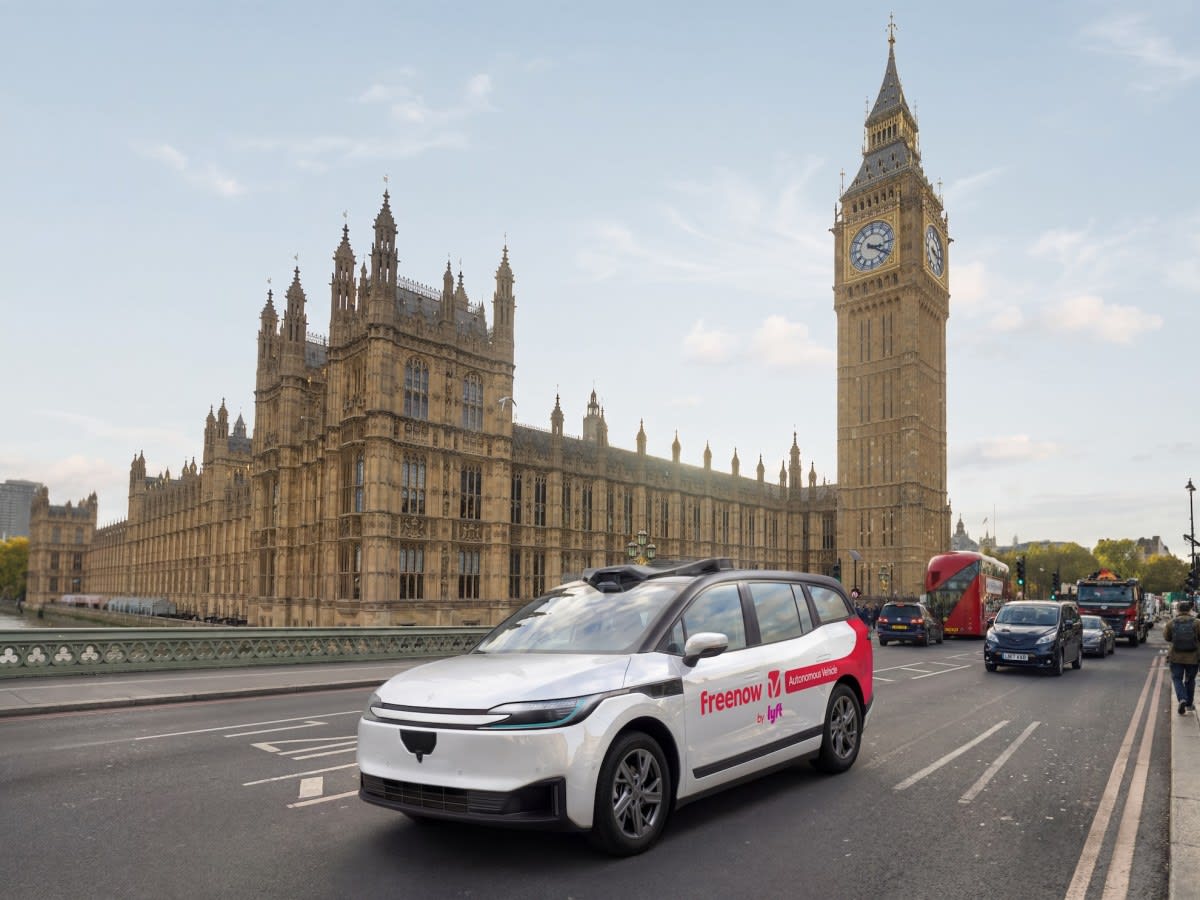
Baidu has launched autonomous vehicle testing in London through its partnership with Lyft and the Freenow mobility platform. This move marks a significant step in the competitive race to establish commercial robotaxi services across Europe.
The Dawn of Autonomous Mobility in London
The recent initiation of autonomous vehicle testing in London by Chinese tech giant Baidu represents a pivotal shift in the European transportation landscape. By leveraging its strategic partnership with Lyft and the mobility platform Freenow, Baidu is positioning its Apollo Go technology at the forefront of the UK's burgeoning robotaxi sector. This development follows a carefully orchestrated timeline, beginning with a strategic alliance formed nearly a year ago to integrate Baidu's purpose-built Apollo Go RT6 robotaxi into the European market.
The Strategic Role of the Freenow Acquisition
The integration of these autonomous vehicles is facilitated by Lyft's 2025 acquisition of Freenow, a deal valued at approximately $197 million. This acquisition was a calculated maneuver by Lyft to secure a significant foothold in the European ride-hailing market. By utilizing Freenow’s established infrastructure and user base, Lyft and Baidu are bypassing the logistical hurdles typically associated with launching new mobility services in densely populated urban centers, effectively turning Freenow into a primary conduit for next-generation transport.
Operational Safety and Future Deployment
Safety remains the paramount concern during this initial testing phase, which commenced this past Tuesday. The presence of human safety operators in each vehicle is a standard, necessary regulatory requirement for autonomous testing in the UK. These tests serve as a critical bridge between experimental technology and commercial readiness. As the companies gather data on urban navigation and passenger interaction, they are paving the way for a future where fully autonomous, driverless robotaxis could become a staple of London's public transport ecosystem.
Competitive Dynamics in the European Market
London has quickly become a battleground for autonomous technology, with several well-funded firms competing to dominate the robotaxi space. The entry of Baidu, backed by the operational reach of Lyft and Freenow, intensifies this competition. This rivalry is not merely about vehicle hardware but about who can most effectively integrate autonomous logistics into existing urban mobility frameworks. The success of this deployment will likely dictate the speed at which other major European cities adopt similar autonomous transit policies.
Long-term Implications for Urban Transit
The broader implications of this testing are profound for the future of urban planning and environmental sustainability. By shifting toward autonomous, purpose-built platforms like the Apollo Go RT6, the industry aims to optimize traffic flow, reduce human-error-related accidents, and potentially lower the cost of ride-hailing services. As these technologies evolve, they will force regulators to continuously adapt, balancing innovation with the necessity of protecting public safety and existing labor markets in the taxi and transit sectors.
Conclusion
In summary, the Baidu-Lyft-Freenow partnership marks a transformative milestone for London's transit infrastructure. By combining Baidu's specialized autonomous hardware with Lyft's strategic European footprint, the consortium is well-positioned to lead the transition toward automated mobility. While the testing is currently in its infancy, the trajectory suggests that the commercial deployment of robotaxis in the UK is no longer a distant possibility, but an imminent reality.