Baltimore residents lose Supreme Court bid over failed 20-year redevelopment
Source Entity
TOI WORLD DESK
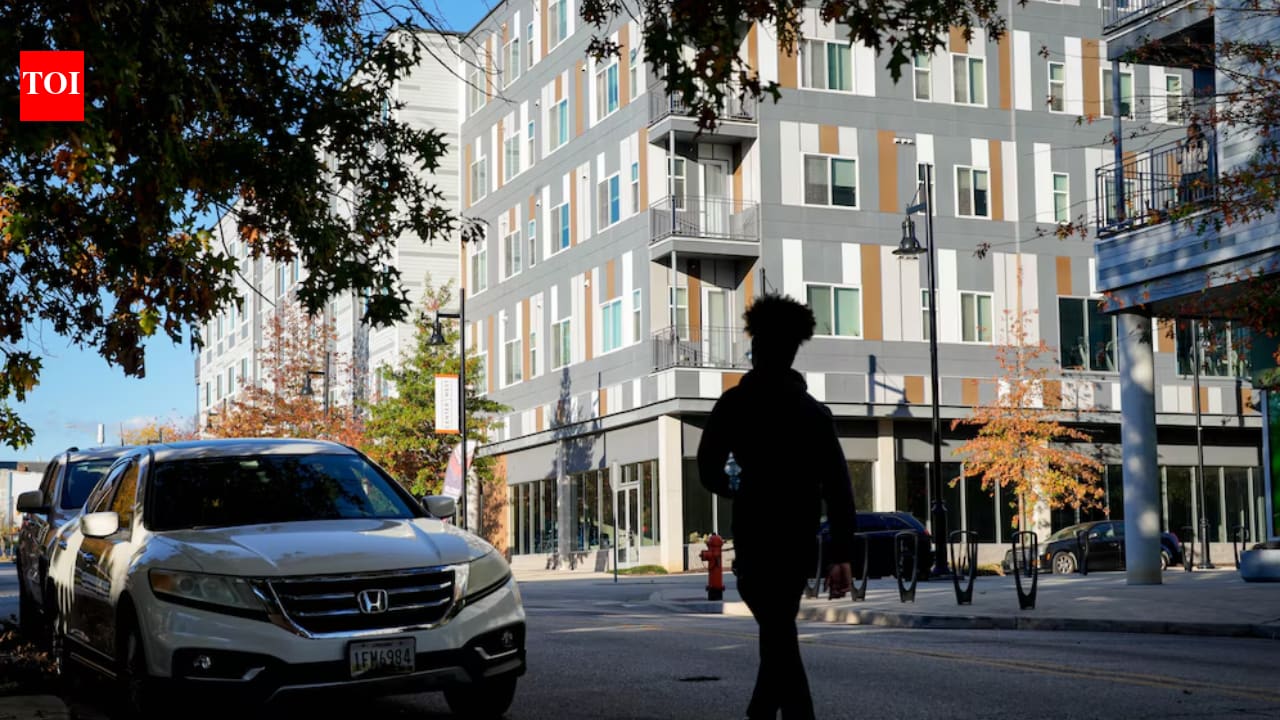
The U.S. Supreme Court has declined to hear a case from Poppleton residents regarding a stalled 20-year urban redevelopment project. This decision effectively ends their legal bid to hold developers accountable for failing to deliver promised community infrastructure.
The Collapse of the Poppleton Redevelopment Vision
The recent decision by the U.S. Supreme Court to decline hearing the petition from Baltimore residents regarding the Poppleton redevelopment project marks the end of a long and contentious legal chapter. Initiated in 2006, the project was originally pitched as a transformative urban renewal initiative designed to revitalize the neighborhood. Instead, two decades of stagnation have left the community grappling with the harsh reality of unfulfilled promises, empty lots, and a lack of essential services.
Two Decades of Unmet Expectations
Since its inception in 2006, the redevelopment plan was intended to reshape the local landscape into a thriving urban district. However, the passage of twenty years has revealed a stark disconnect between the developer's original vision and the current state of Poppleton. The neighborhood remains dotted with abandoned plots of land, serving as a physical manifestation of the project's failure to materialize. For the residents who have remained, the ongoing absence of basic infrastructure, such as grocery stores, has significantly diminished their quality of life.
The Legal Roadblock
For the past two years, residents have engaged in a rigorous legal battle, seeking to challenge the redevelopment trajectory and hold the parties involved accountable for the stalled progress. By taking their grievance to the Supreme Court, the community sought a final judicial intervention to address what they perceive as a failure of local planning and contractual obligations. The Court’s refusal to hear the case is a definitive blow, effectively exhausting the legal pathways available to the residents to force change through the judicial system.
Broader Implications for Urban Renewal
The Poppleton case underscores the systemic risks associated with long-term urban redevelopment projects that rely heavily on private developers to deliver public benefits. When these projects fail to meet their milestones, the resulting blight often falls disproportionately on local residents, who are left with the social and economic costs of displacement and neglect. This narrative highlights a recurring issue in American urban planning: the tension between municipal development goals and the actual needs of established communities.
Future Uncertainties
With the legal avenue closed, the future of Poppleton remains highly uncertain. The neighborhood now stands at a precarious juncture where the lack of development must be addressed through alternative strategies. Whether the city will intervene to provide new oversight, pivot to different developers, or adopt community-led initiatives remains to be seen. The case serves as a cautionary tale for city planners and developers alike regarding the importance of accountability and community engagement throughout the lifecycle of urban renewal projects.