Bamboo mass flowering and die-off can trigger ecological crisis and wildlife conflict, study warns
Source Entity
India Latest News: Top National Headlines Today & Breaking News | The Hindu
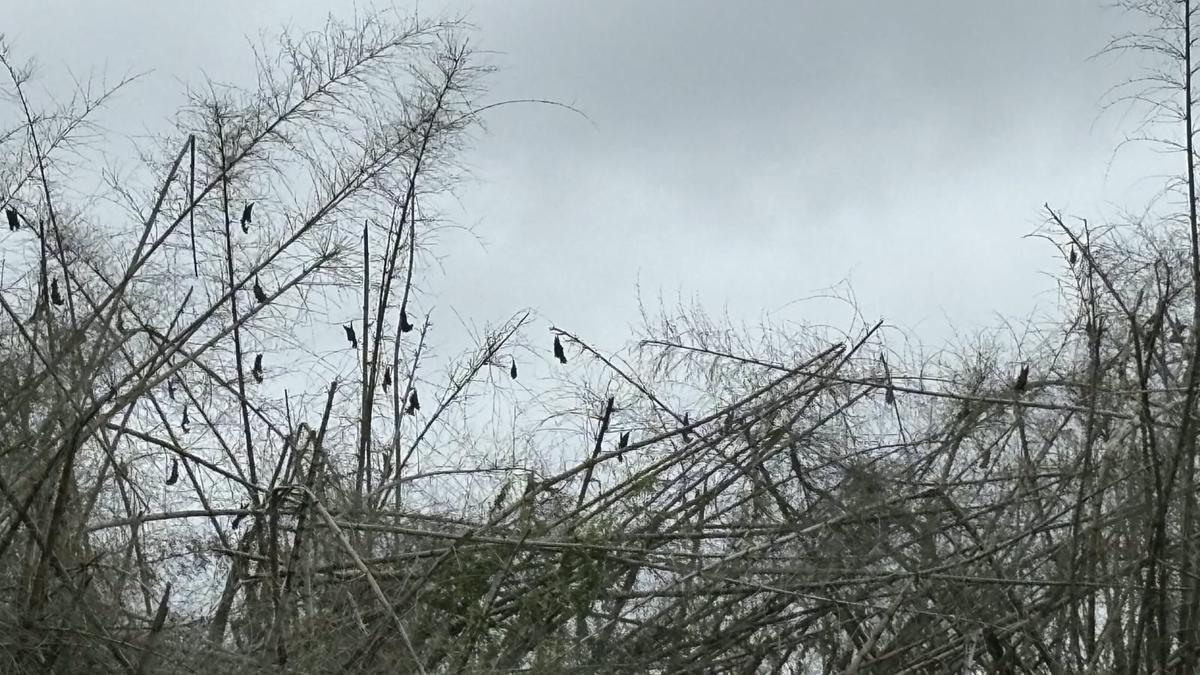
A study by the Kerala Forest Research Institute highlights that synchronous bamboo flowering and die-off events trigger severe ecological disruptions. These events necessitate a shift toward proactive, landscape-level forest management to mitigate risks like wildfires and wildlife conflicts.
The Ecological Ripple Effects of Synchronous Bamboo Die-off
Recent findings from the Kerala Forest Research Institute (KFRI), led by Dr. T.V. Sajeev, have shed light on the profound ecological consequences of mass bamboo flowering and subsequent die-off. Published in Frontiers in Ecology and Evolution, the research emphasizes that these events are not merely botanical curiosities but are, in fact, catalysts for significant environmental instability. Because woody bamboos are monocarpic—meaning they flower once and then perish—the sudden death of these plants across vast forest landscapes creates a massive accumulation of dry biomass.
The Catalyst for Wildfire and Invasive Spread
The immediate aftermath of a mass die-off event provides a volatile fuel source that increases the risk of intense wildfires. As the bamboo culms dry out, they transform forest floors into tinderboxes, making traditional fire management strategies insufficient. Furthermore, the death of these dense bamboo stands disrupts the forest canopy, allowing sunlight to penetrate the forest floor. This change in microclimate creates the ideal conditions for invasive weeds to colonize the area, effectively outcompeting native flora and altering the successional trajectory of the ecosystem.
Rodent Outbreaks and Wildlife Displacement
Beyond vegetation changes, the study identifies a dangerous correlation between bamboo seeding and rodent population explosions. The sudden availability of nutrient-rich bamboo seeds acts as an abundant food source, leading to rapid reproductive cycles in rodent populations. As these populations surge, they can devastate local food crops and storehouses. Simultaneously, the degradation of the bamboo stands forces larger herbivores, most notably elephants, to seek sustenance outside their traditional forest ranges. This shift significantly intensifies human-elephant conflict as these animals encroach upon human-inhabited farmlands in search of resources.
Strategic Shifts in Forest Management
Historically, forest management regarding bamboo has been largely reactive, focusing on damage control only after a crisis has manifested. Dr. Sajeev’s research argues that this approach is no longer sustainable, particularly in sensitive, fragmented regions like the Western Ghats. The study advocates for a transition toward anticipatory, landscape-level planning. By identifying the timing and location of bamboo flowering cycles, forest departments can implement pre-emptive measures to manage fuel loads and mitigate the impact on local communities.
Broader Implications for Tropical Ecosystems
Woody bamboos serve as critical regulators of microclimates and are significant players in the global carbon cycle. Their death is not just a localized event but a disruption of the forest's ability to sequester carbon and maintain stable temperature gradients. Recognizing the cyclical nature of these events is essential for the long-term conservation of tropical forests. Moving forward, the integration of predictive ecological modeling will be vital for forest managers to prepare for the cascading effects of these inevitable biological cycles, ensuring that both biodiversity and human livelihoods are protected from the resulting instability.
Verification Required?