Bangkok declared disaster zone as torrential rain floods city, leaves vehicles, shops submerged: Video
Source Entity
Latest News: Todays Latest News Headlines from India & World | Hindustan Times | Hindustan Times
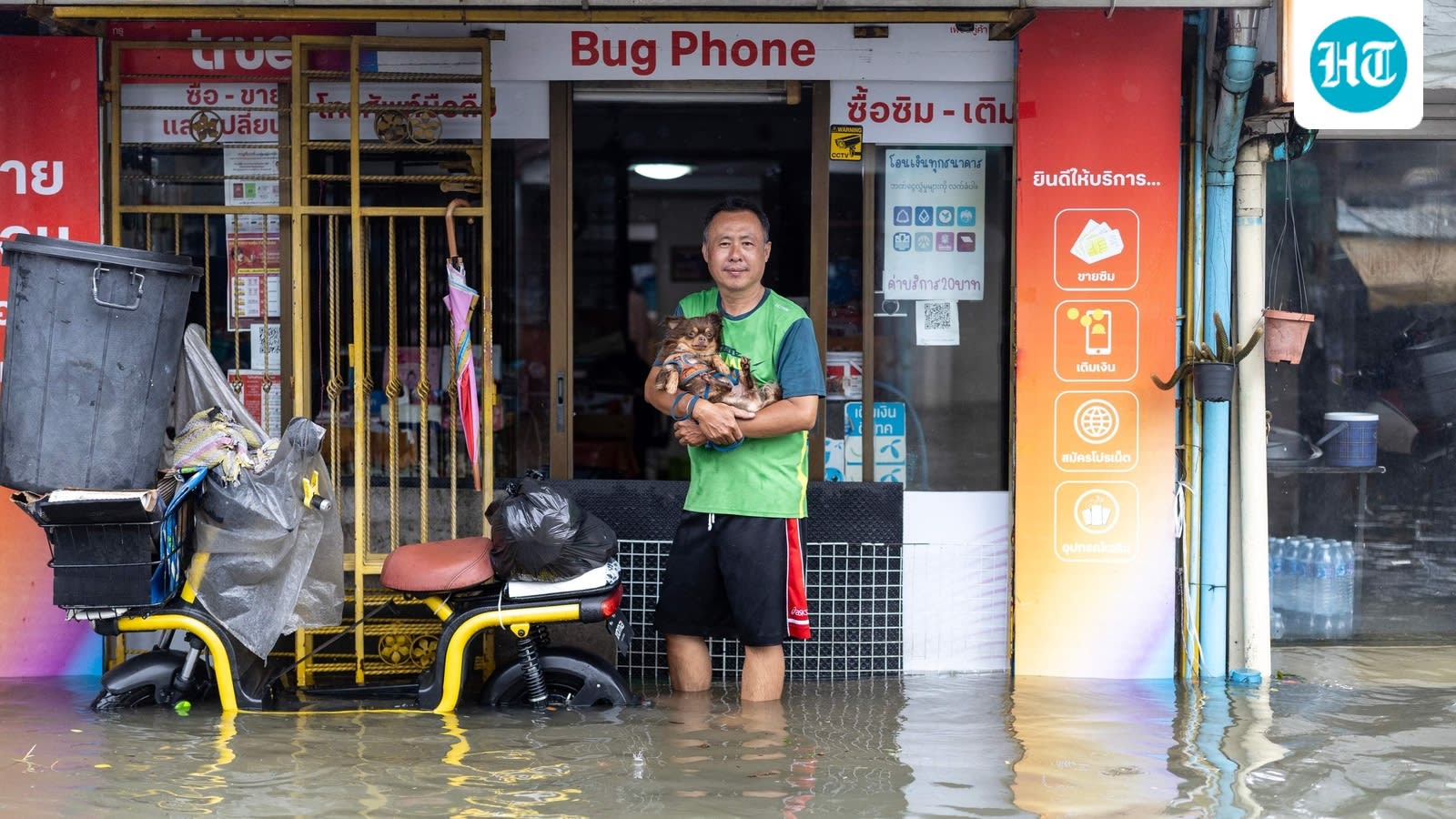
Bangkok has declared all 50 of its districts disaster zones following nearly 300 mm of rainfall since Thursday. Authorities are currently managing widespread flooding, traffic disruptions, and evacuations as more rain is expected.
Bangkok Faces Climate Crisis: A City Under Water
Bangkok, the sprawling capital of Thailand, has officially been declared a disaster zone across all 50 of its administrative districts. This unprecedented designation follows a period of relentless, near-continuous rainfall that began on Thursday afternoon. According to official reports, the city has been subjected to approximately 300 mm (11.8 inches) of precipitation in just a few days, a volume that has overwhelmed the city's drainage infrastructure and pushed its canal systems to their absolute limits.
The Anatomy of the Inundation
Governor Chadchart Sittipunt has confirmed that the situation is critical, noting that the city's canals—often referred to as the 'veins' of Bangkok—are currently filled to capacity. The eastern sectors of the capital have been identified as the most severely affected regions. The accumulation of nearly a foot of rain in such a short window has turned urban roadways into watercourses, with viral footage showing vehicles struggling to navigate submerged streets, leading to widespread traffic paralysis and stranded commuters.
Emergency Response and Mitigation
In response to the escalating crisis, the municipal government has shifted into emergency mode. Authorities are currently engaged in a massive effort to pump water out of flooded residential and commercial zones while simultaneously establishing shelters for those forced to evacuate their homes. The focus remains on assisting the most vulnerable populations, as the city struggles to balance the immediate need for drainage with the reality of continued downpours forecast for the coming days.
Historical Context and Urban Vulnerability
Bangkok's struggle with flooding is deeply rooted in its geography; much of the city sits at or below sea level on the Chao Phraya River delta. Historically, the city relied on its complex network of canals for water management, but rapid urbanization and the paving over of permeable surfaces have significantly reduced the city's natural ability to absorb heavy rainfall. This latest disaster highlights the increasing frequency of extreme weather events that challenge the resilience of modern, low-lying metropolises.
Broader Implications for Infrastructure
This event serves as a stark reminder of the challenges posed by climate-induced weather extremes. As rainfall intensities increase, the existing flood management systems—which were designed for different climatic conditions—are being pushed to their breaking point. The declaration of all 50 districts as disaster areas reflects the systemic nature of the threat rather than localized drainage failure, suggesting that future urban planning in Bangkok will require a radical rethink of water diversion and flood mitigation strategies.
Future Outlook
Looking ahead, the city remains on high alert. With more rain expected in the immediate future, the primary challenge for Governor Sittipunt’s administration will be maintaining the efficacy of water-pumping operations while the soil remains saturated. The long-term recovery will likely involve not only repairing the damage to infrastructure but also addressing the inevitable economic disruption caused by the suspension of normal city operations. Bangkok’s ability to navigate this disaster will be a critical benchmark for how other vulnerable cities in Southeast Asia prepare for the impacts of climate change.
Verification Required?