Watch: Pakistan PM runs away from questions on Hafeez Saeed at UN
Source Entity
PRIYANKA JAISWAL
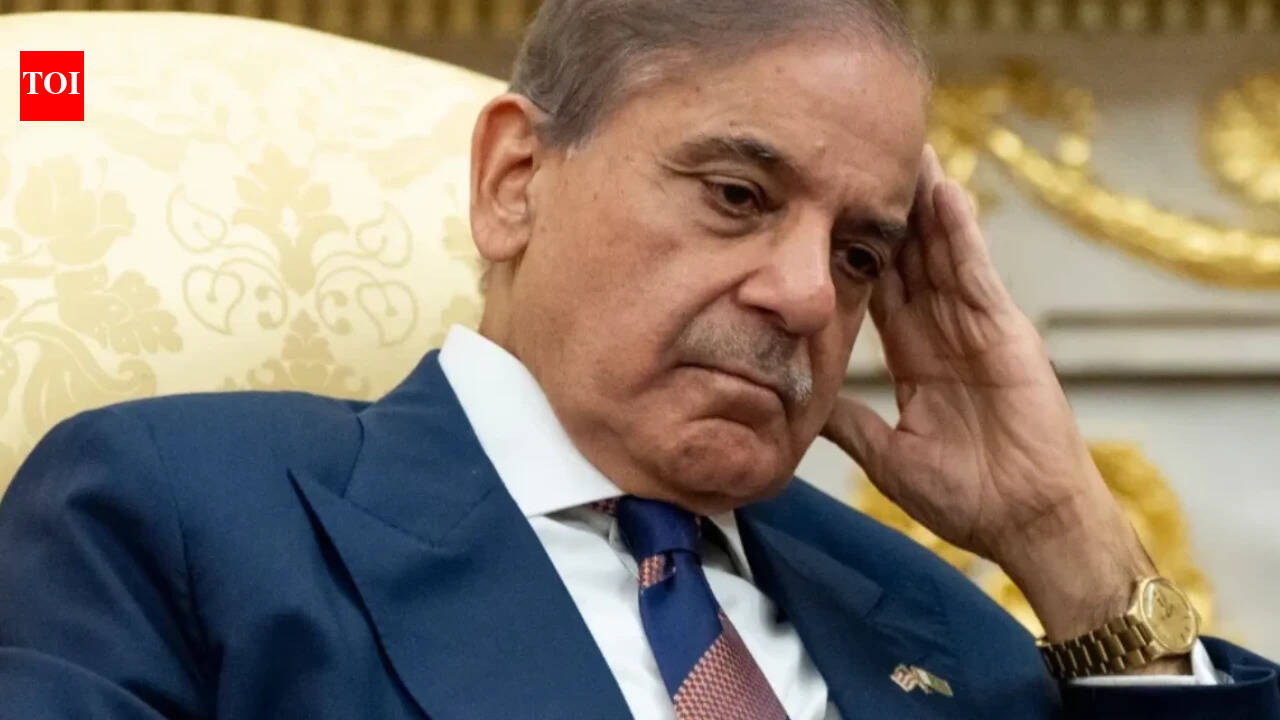
External Affairs Minister S Jaishankar sharply rebuked a Pakistani journalist at the UN for questioning India on terrorism. He dismissed the inquiry by labeling the questioner's nation a 'terrorist country' before exiting the briefing.
Diplomatic Tensions at the UN: Jaishankar’s Sharp Rebuttal
During a recent press briefing at the United Nations headquarters in New York, a notable diplomatic confrontation occurred between India’s External Affairs Minister, S Jaishankar, and a Pakistani journalist. The exchange took place following a joint press conference regarding the launch of a 'Group of Friends' initiative dedicated to the safety and security of shipping and seafarers, an event where Jaishankar was accompanied by Liberian Foreign Minister Sara Beysolow Nyanti.
The Nature of the Confrontation
The tension escalated when a journalist representing a Pakistani media outlet posed a pointed question to Minister Jaishankar, asking, “When will your government stop sponsoring terrorism in Pakistan?” This query, which seeks to invert traditional narratives regarding regional security, drew an immediate and visceral reaction from the Indian minister. Jaishankar dismissed the premise of the question with the retort: “A terrorist country is asking me that question. Come on.”
Contextualizing the Rhetoric
This incident is emblematic of the long-standing and deeply entrenched geopolitical rivalry between India and Pakistan. By labeling Pakistan a “terrorist country,” Jaishankar reaffirmed India’s official stance, which consistently accuses Islamabad of providing sanctuary to non-state actors and militant groups that carry out operations across the border. This rhetoric is not merely a spontaneous outburst but reflects a broader, hardened diplomatic posture that New Delhi has adopted in international forums.
Diplomatic Implications and Global Forums
Using the United Nations as a stage for such sharp exchanges highlights the difficulty of multilateral diplomacy when bilateral grievances remain unresolved. For India, the UNGA represents a platform to project its status as a responsible global stakeholder, particularly through initiatives like the shipping security group. When the focus shifts to mutual recriminations of state-sponsored terrorism, it underscores the persistent inability of the two nuclear-armed neighbors to find common ground, even on neutral international soil.
The Aftermath and Strategic Posturing
Immediately following the exchange, the Minister and other accompanying delegates exited the room, effectively concluding the interaction. This swift departure serves as a tactical move to avoid further engagement on a topic that India considers settled and provocative. By refusing to entertain the premise of the question, Jaishankar signaled a clear limit to the discourse he is willing to participate in, reinforcing India's policy of prioritizing economic and strategic growth over engaging in what it perceives as propagandistic inquiries from Pakistani media.
Future Trends in Indo-Pak Relations
The incident suggests that there is little room for a thaw in diplomatic relations in the immediate future. As India continues to leverage its growing influence on the global stage, it is increasingly unwilling to be drawn into defensive postures regarding its internal or foreign policy. For observers of South Asian politics, this event reinforces the reality that until core security concerns are addressed to the satisfaction of both parties, such public confrontations will likely remain a hallmark of their interaction at international summits.
Multiple Citing Sources