Bangkok floods: All 50 districts declared disaster areas; travel alert issued
Source Entity
The Indian Express
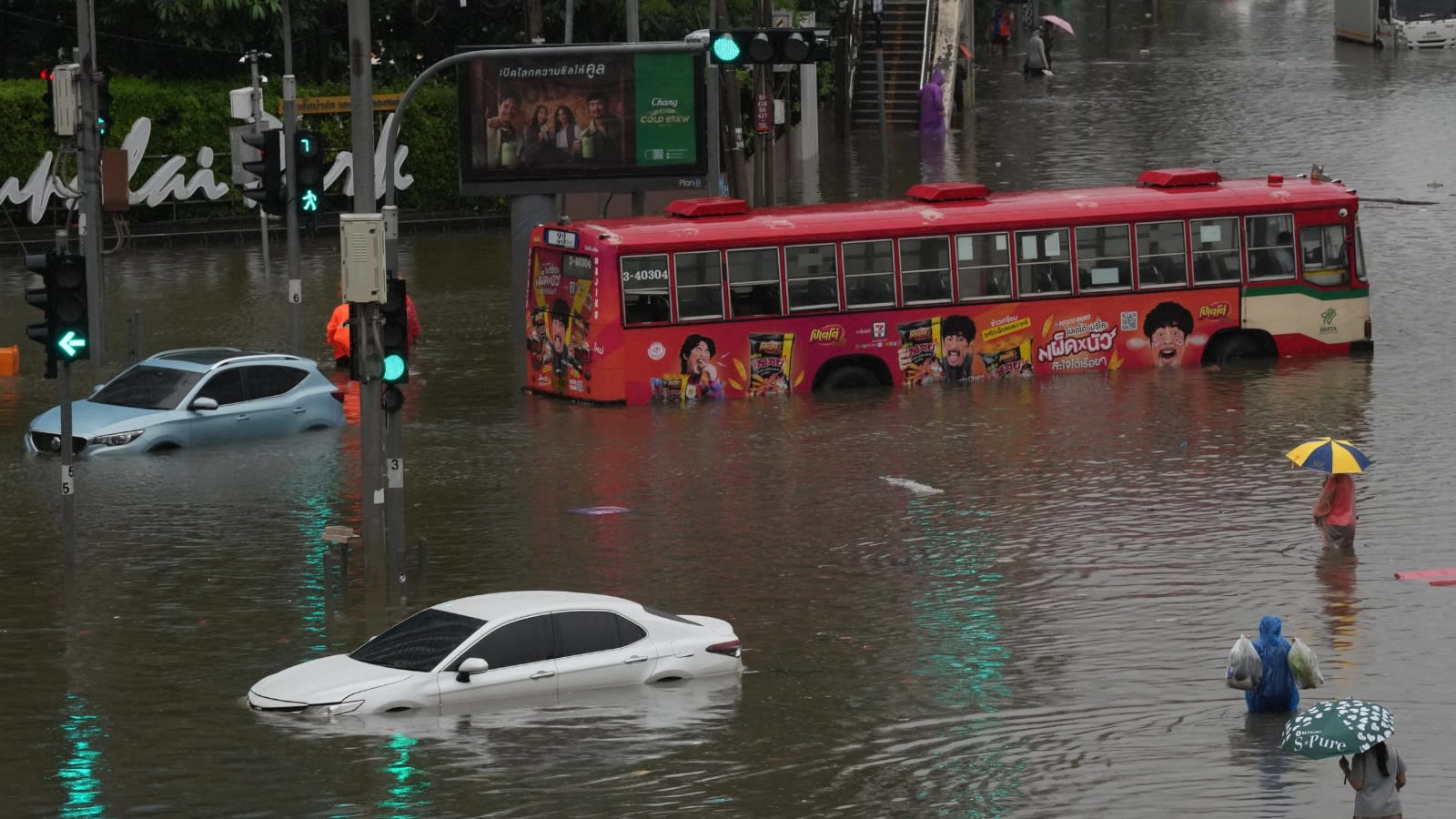
Bangkok has declared all 50 districts disaster areas following nearly 300 mm of continuous rainfall. Authorities are currently managing widespread flooding, traffic paralysis, and emergency evacuations.
Bangkok Under Siege: A City-Wide Flood Disaster
Bangkok is currently grappling with a severe environmental crisis as relentless rainfall has pushed the city to its breaking point. Since Thursday, the Thai capital has been subjected to almost continuous downpours, culminating in the official declaration of all 50 districts as disaster areas. This escalation marks a significant expansion from the initial localized designations, underscoring the rapid and overwhelming nature of the current flooding event.
The Scale of the Deluge
The sheer volume of precipitation is the primary driver of this disaster. Data indicates that approximately 300 mm (11.8 inches) of rain has accumulated over a period of just a few days. This massive influx of water has overwhelmed the city’s intricate network of canals, which are now reported to be full to capacity. The inability of the urban infrastructure to drain such a volume of water in a short window has left major roads submerged, effectively paralyzing transportation across the metropolitan area.
Impact on Urban Mobility and Residents
Visual evidence from the affected areas paints a harrowing picture of urban life brought to a standstill. Reports and video footage show vehicles struggling to navigate flooded thoroughfares, with many becoming stranded as water levels rise. The disruption to daily life is profound, forcing authorities to move beyond traffic management to active disaster response. Emergency measures, including the deployment of water pumps and the establishment of evacuation shelters, have been prioritized to assist vulnerable residents trapped in the worst-affected zones, particularly in the eastern parts of the city.
Governance and Emergency Response
Governor Chadchart Sittipunt has taken a central role in coordinating the city's response, emphasizing the severity of the situation by elevating the status of all districts. The transition from a localized issue to a city-wide disaster declaration signifies that existing drainage infrastructure is currently insufficient to manage the ongoing meteorological event. The government is now forced to balance immediate relief efforts with the logistical challenges of a city struggling to function under water.
Future Outlook and Meteorological Risks
Looking ahead, the situation remains precarious. The Thai Meteorological Department has indicated that the heavy rain is expected to continue in the coming days, threatening to exacerbate existing flood levels. For a city like Bangkok, which already faces challenges with subsidence and sea-level proximity, this event serves as a stark reminder of its vulnerability to extreme weather patterns. Future urban planning and climate adaptation strategies will undoubtedly need to account for these increasingly intense rainfall events to protect the city's residents and its economic functionality.
Multiple Citing Sources