Bangladesh’s pick of spokespersons in Delhi, Kolkata raise eyebrows
Source Entity
Latest News: Today's Latest News Headlines from India & World | Hindustan Times | Hindustan Times
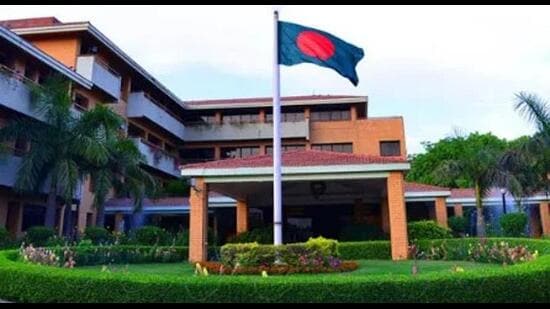
Bangladesh’s appointment of two journalists with histories of anti-India social media rhetoric as spokespersons in New Delhi and Kolkata has caused diplomatic friction. The decision complicates efforts to mend strained bilateral relations between the two nations.
Diplomatic Friction: Bangladesh’s Controversial Press Appointments
The recent decision by the Bangladeshi government to appoint Saidur Rahman and Umme Marufa as press spokespersons for their diplomatic missions in New Delhi and Kolkata has sparked significant concern within diplomatic circles. These appointments come at a precarious moment for India-Bangladesh relations, as both nations are currently engaged in a sensitive, high-stakes effort to recalibrate their bilateral ties following periods of political volatility. The selection of individuals with a documented history of public hostility toward the Indian government is being viewed by analysts as a potential impediment to these restorative diplomatic efforts.
The Controversy of Political Appointments
Unlike the standard Indian diplomatic protocol, which typically reserves the role of spokesperson for career diplomats from the Indian Foreign Service (IFS), Bangladesh has historically utilized a system of political appointments for these roles. This structural difference creates a unique challenge; whereas career diplomats are trained to navigate complex geopolitical sensitivities and maintain professional neutrality, political appointees often reflect the ideological leanings of their home administration. In this instance, the appointment of journalists who have previously shared derogatory content regarding India suggests a disconnect between the stated goal of mending ties and the practical application of diplomatic staffing.
Digital Footprints and Diplomatic Impact
Both Saidur Rahman, the political editor of the daily Ittefaq, and Umme Marufa, a correspondent for News24, have been identified as having previously published content on social media platforms that was overtly critical or derogatory toward the Indian state. The fact that many of these posts were deleted shortly after the announcement of their appointments suggests an awareness of the optics involved. However, the initial existence of this content serves as a significant hurdle for their future credibility in a role designed specifically to facilitate communication and build rapport between the two neighbors.
Implications for Bilateral Rebuilding
Diplomacy is as much about perception as it is about policy. By placing individuals with a history of anti-India sentiment at the forefront of their communication efforts in India, the Bangladeshi government risks signaling a lack of sincerity in its commitment to improving relations. This move complicates the work of diplomats on both sides who are attempting to de-escalate tensions and foster a cooperative environment. If the spokesperson is viewed as an adversary by the host country, the effectiveness of the mission’s public outreach and media relations is inherently neutralized.
Historical Context and Future Trends
Historically, India and Bangladesh have shared deep cultural and strategic ties, yet these relationships have always been susceptible to political shifts. The reliance on non-career diplomats for sensitive public-facing roles highlights a recurring trend where domestic political narratives in Bangladesh occasionally bleed into foreign policy execution. Moving forward, the success of these missions will depend heavily on the appointees' ability to pivot from their past rhetoric to a more moderate, professional stance. If they fail to do so, these appointments may be remembered as a missed opportunity to reset the bilateral trajectory during a critical window of regional transition.
Verification Required?