Bangladesh Requests India For Removal Of Trade Restrictions
Source Entity
NDTV News Search Records Found 1000
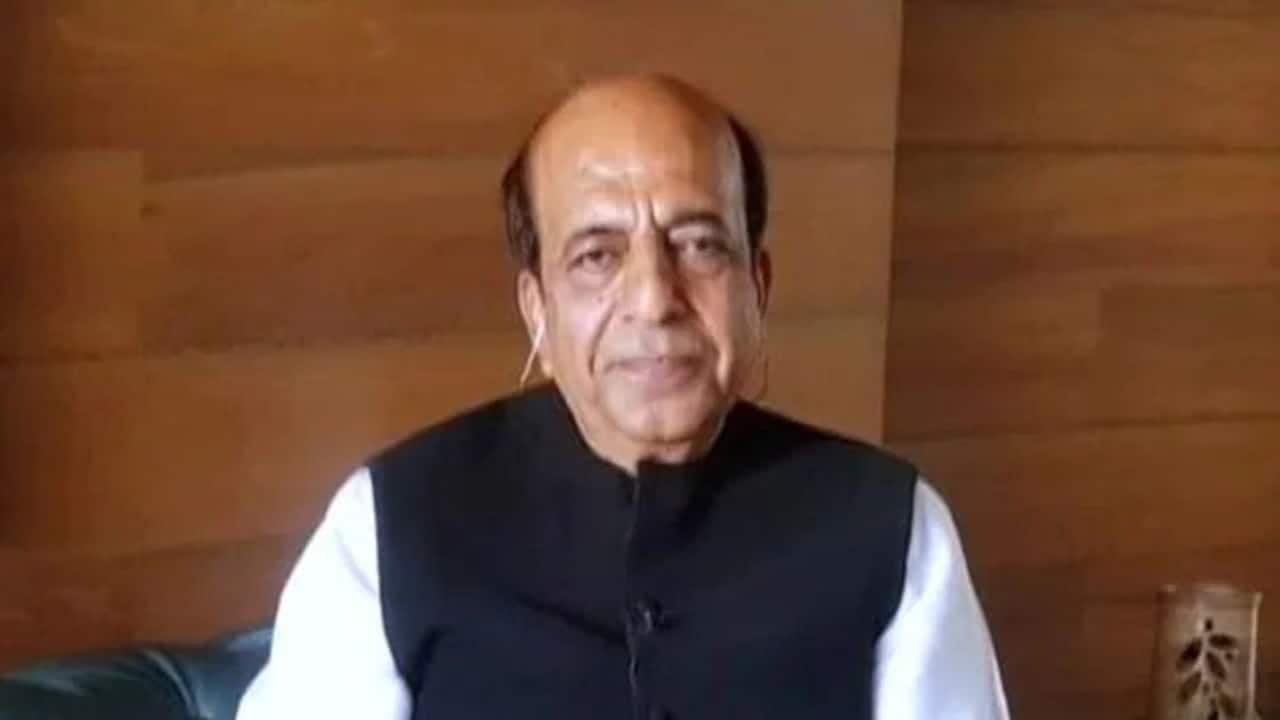
Bangladesh has officially requested India to remove existing trade restrictions to foster better economic cooperation. This diplomatic effort seeks to enhance bilateral commerce and address long-standing logistical and regulatory barriers.
Strengthening Bilateral Economic Ties: The Bangladesh-India Trade Dialogue
The Push for Trade Liberalization
The recent diplomatic outreach by Bangladesh to India, highlighted by discussions involving Dinesh Trivedi, marks a pivotal moment in South Asian economic relations. By formally requesting the removal of trade restrictions, Dhaka aims to streamline the movement of goods and services across the border. This move is indicative of a broader strategy to reduce the trade deficit and foster a more integrated regional market, which has long been a subject of diplomatic deliberation.
Addressing Structural Impediments
Historically, trade between India and Bangladesh has been hampered by a complex web of non-tariff barriers, including stringent customs procedures, infrastructure bottlenecks at land ports, and regulatory inconsistencies. The request for the removal of these restrictions suggests a concerted effort to move beyond mere rhetoric toward practical, policy-driven solutions. By simplifying these processes, both nations stand to benefit from reduced transaction costs and more efficient supply chains.
The Strategic Role of Diplomatic Engagement
The involvement of figures like Dinesh Trivedi underscores the political weight placed on these negotiations. Such high-level engagements are essential for bridging the gap between bureaucratic policy-making and the actual needs of the business communities in both countries. These discussions serve as a conduit for addressing specific grievances that impede the flow of essential commodities and manufactured goods, thereby serving as a catalyst for economic growth.
Broader Regional Implications
If successful, the easing of trade restrictions could serve as a model for regional cooperation within the South Asian Association for Regional Cooperation (SAARC) framework. A more open trade corridor would not only benefit the immediate border regions but could also facilitate greater connectivity with the broader Southeast Asian market. This would align with India’s 'Act East' policy and Bangladesh’s ambition to become a regional manufacturing hub.
Future Trends and Economic Outlook
Looking ahead, the trajectory of this dialogue will likely focus on the harmonization of standards and the digitization of trade documentation. As global supply chains continue to shift, the ability of India and Bangladesh to foster a frictionless trade environment will determine their collective competitiveness. Continued cooperation in this area is expected to lead to increased foreign direct investment and a more robust economic partnership that transcends traditional trade boundaries.
Conclusion
In summary, the request from Bangladesh to remove trade restrictions is a strategic imperative that reflects the deepening interdependence of the two neighbors. While challenges remain, the commitment to resolving these issues through diplomatic channels points toward a future of increased prosperity and regional stability. The success of these initiatives will ultimately depend on the sustained political will to prioritize economic integration over protectionist tendencies.
Verification Required?