Is this Trump's prelude to Iran attack? 17 US tankers move to Europe in just 72 hours | War, Mojtaba
Source Entity
Latest News: Todays Latest News Headlines from India & World | Hindustan Times | Hindustan Times
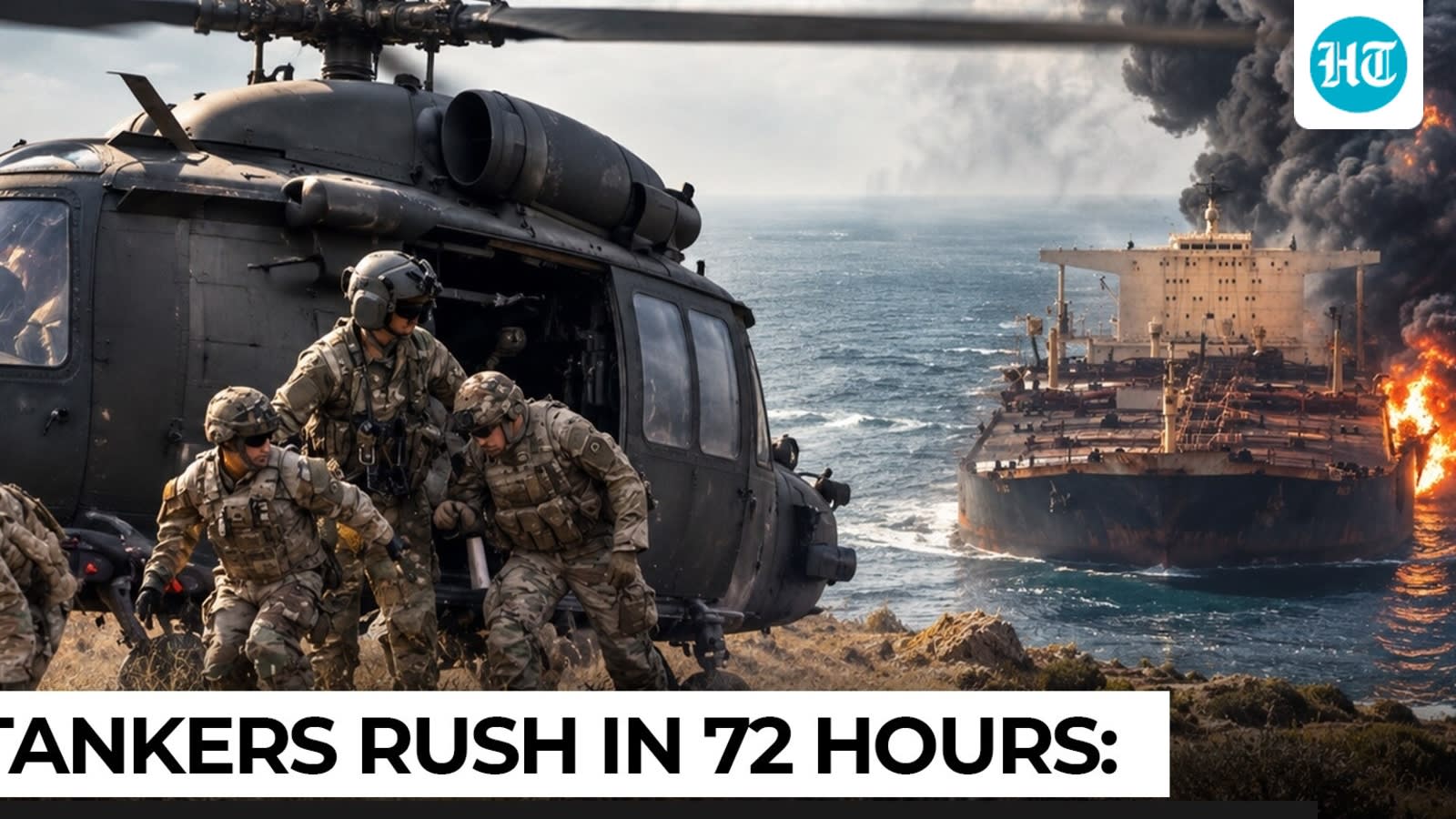
The rapid deployment of nearly 20 U.S. aerial refueling tankers to Europe has sparked intense speculation regarding potential military operations against Iran. Analysts are questioning if this strategic repositioning signals a significant escalation in U.S.-Iran tensions under the current administration.
Strategic Repositioning: Assessing the U.S. Tanker Deployment
The recent, rapid deployment of nearly 20 U.S. aerial refueling tankers to Europe within a 72-hour window has ignited significant international concern regarding Washington’s strategic intentions toward Iran. Aerial refueling capabilities are a logistical cornerstone of power projection, enabling long-range strike aircraft to remain airborne for extended periods, far beyond their typical operational range. The concentration of these assets suggests a deliberate effort to enhance the U.S. military’s reach and sustainment capacity in a theater that remains hyper-sensitive to regional stability.
The Role of Air Refueling in Modern Power Projection
In the context of military doctrine, the movement of tankers is rarely a benign logistical exercise. By positioning these aircraft in Europe, the Pentagon is effectively creating a 'bridge' that allows for rapid deployment of combat assets from the continental United States or other regional bases into the Middle Eastern theater. This capability is essential for any sustained air campaign, as it allows fighter jets and bombers to bypass geographic limitations and maintain a persistent presence over potential target areas, effectively circumventing the need for immediate, localized basing that might be vulnerable to Iranian counter-measures.
Analyzing the Central Command Connection
Reports indicating that additional refueling aircraft are currently operating under the purview of U.S. Central Command (CENTCOM) underscore the gravity of the situation. CENTCOM is the geographic combatant command responsible for the Middle East, including Iran. The synchronization of European-based logistical support with active CENTCOM operations suggests a high level of operational readiness. This dual-front alignment points to a sophisticated military posture designed to provide the Pentagon with a wide array of options, ranging from deterrence through presence to active kinetic operations.
Geopolitical Implications and Regional Tensions
This buildup occurs against a backdrop of long-standing, volatile relations between Washington and Tehran. For Iran, the presence of significant U.S. air refueling infrastructure in the vicinity is likely viewed as a direct threat to its national security architecture. Historically, the U.S. has used such logistical buildups as a precursor to pressure campaigns or military interventions. Consequently, this movement could trigger a retaliatory shift in Iranian defensive postures, potentially increasing the risk of miscalculation or accidental skirmishes in the Persian Gulf region.
Future Trends and Strategic Outlook
Looking ahead, the international community will be closely monitoring whether this deployment remains a static deterrent or evolves into a dynamic operational force. If the Pentagon continues to move supplementary assets into the region, it may signal that traditional diplomatic avenues are being deprioritized in favor of a 'peace through strength' or 'maximum pressure' doctrine. Analysts will be watching for follow-on movements, such as the deployment of carrier strike groups or strategic bomber squadrons, which would confirm that the current tanker buildup is indeed the prelude to a more aggressive military strategy.
Verification Required?