Muhammad Yunus’s house attacked: Why is Bangladesh boiling again amid Sheikh Hasina’s planned return?
Source Entity
The Indian Express
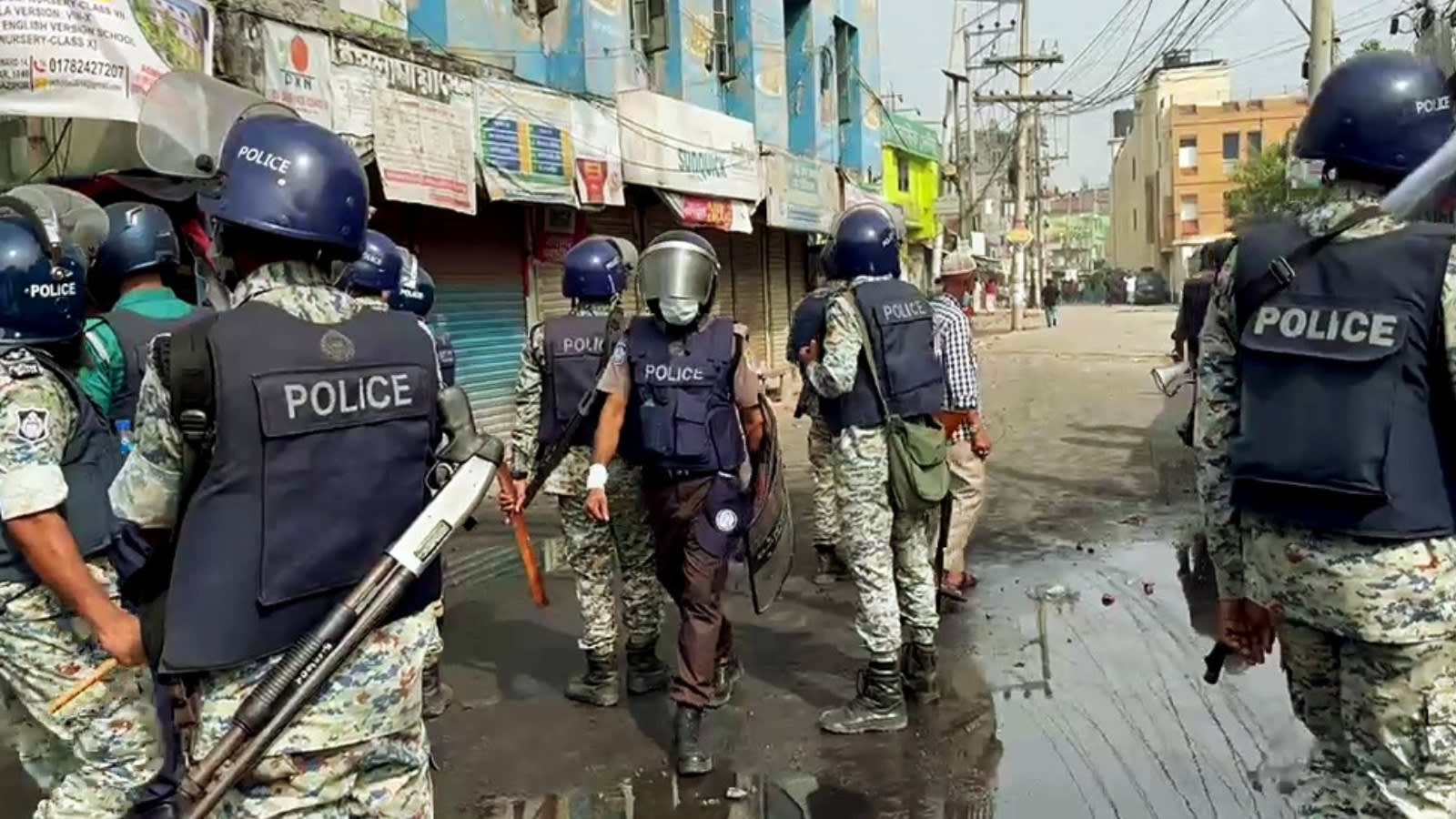
Bangladesh faces escalating violence as Muhammad Yunus's ancestral home and multiple Grameen Bank branches were set ablaze. The unrest follows a contentious 'lockdown' call by the banned Awami League, leading to widespread arson and IED explosions.
The Escalation of Political Unrest in Bangladesh
Recent reports confirm a significant surge in civil instability across Bangladesh, marked by the targeted destruction of property linked to Muhammad Yunus. The arson attack on his ancestral home in the Panchlaish area of Chattogram, coupled with simultaneous attacks on various Grameen Bank branches, signifies a calculated shift in the methods employed by agitators. These acts of violence are not isolated incidents but rather part of a broader, volatile landscape of political retribution that has engulfed the nation.
The Catalyst: Awami League’s Lockdown Call
The current wave of unrest was precipitated by a "lockdown" call issued by the banned Awami League, the political party previously led by former Prime Minister Sheikh Hasina. This directive served as a flashpoint, mobilizing rival factions and creating a pretext for widespread civil disobedience and physical confrontations. Despite the implementation of heightened security measures in Dhaka, the efficacy of state control has been challenged by the deliberate use of improvised explosive devices (IEDs) and coordinated arson campaigns.
Targeting the Infrastructure of Financial Empowerment
Beyond the symbolic attack on Muhammad Yunus’s paternal residence, the systematic targeting of Grameen Bank branches suggests an attempt to destabilize the social and economic fabric associated with Yunus. Historically, Grameen Bank has been a cornerstone of microfinance in the region, and its selection as a target for vandalism and fire reflects the deep-seated animosity between competing political ideologies. This destruction threatens to undermine the functional capacity of institutions that support the livelihoods of countless citizens.
Security Challenges in a Polarized Climate
The failure of security forces to prevent these incidents, despite their presence in the capital, highlights the intensity of the current security crisis. Witnesses in Dhaka reported a series of explosions that occurred before dawn, indicating that perpetrators are operating with a level of coordination that bypasses conventional law enforcement tactics. The wounding of multiple individuals underscores the human cost of this political volatility, suggesting that the situation is rapidly deteriorating into a period of prolonged instability.
Future Implications and Regional Stability
As Bangladesh navigates this turbulent period, the potential for further escalation remains high. The interplay between the banned Awami League’s influence and the current interim government’s efforts to maintain order will likely define the coming weeks. If these patterns of arson and IED usage continue, the government may be forced to adopt even stricter security postures, which could further exacerbate public tension. The trajectory of this conflict will ultimately depend on the ability of local authorities to restore the rule of law while addressing the underlying political grievances that have brought the nation to this precarious point.
Multiple Citing Sources