For Noida, Ghaziabad commuters, a new route to South Delhi – and a possible escape from Sarai Kale Khan
Source Entity
Sakshi Chand
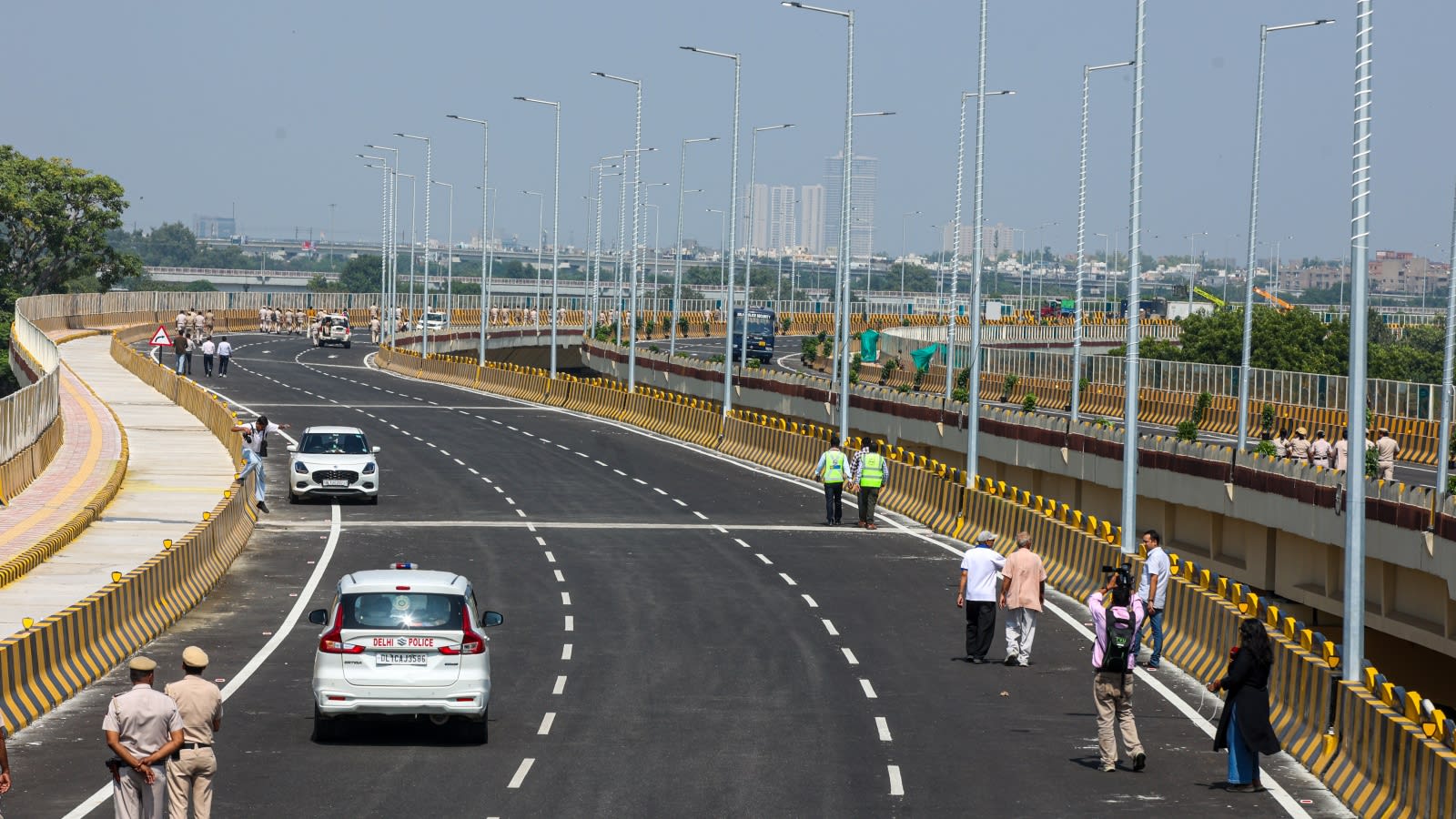
Union Home Minister Amit Shah has inaugurated the Barapullah Phase-3 elevated corridor, a 9-km project linking Mayur Vihar to AIIMS. This signal-free route is expected to significantly reduce travel time between East and South Delhi.
Enhancing Connectivity: The Barapullah Phase-3 Corridor
The inauguration of the Barapullah Phase-3 elevated corridor marks a significant milestone in Delhi’s urban infrastructure development. Spearheaded by Union Home Minister Amit Shah, the project aims to bridge the long-standing connectivity gap between East Delhi’s Mayur Vihar and the critical medical and administrative hub of AIIMS in South Delhi. By creating a seamless, signal-free passage, the government seeks to alleviate the chronic congestion that has long plagued the capital's arterial roads.
Engineering and Design Highlights
Spanning approximately 9 kilometers in total—when integrated with the existing corridor—the project is a testament to complex urban engineering. A standout feature is the specialized bridge structure spanning the Yamuna floodplain, designed to withstand the unique geographical challenges of the riverbed. The corridor includes eight strategic loops at Sarai Kale Khan and Mayur Vihar, ensuring efficient traffic dispersal. Furthermore, the inclusion of dedicated cycle tracks and pedestrian infrastructure reflects a modern approach to multi-modal urban mobility, moving beyond simple vehicular transit.
Impact on Commuter Experience
For the thousands of daily commuters traveling from Noida and East Delhi toward South Delhi, the impact of this infrastructure is substantial. Projections indicate that travel time between East Delhi and AIIMS will drop from the current 35-40 minute window to approximately 15 minutes. This drastic reduction in commute time is expected to improve productivity and quality of life for residents, while simultaneously reducing the carbon footprint caused by idling vehicles in traffic jams.
Broader Infrastructure Context
This project is part of a larger ₹1,951 crore investment package for Delhi’s road network. Alongside the Barapullah expansion, the government has announced two new flyovers and an underpass at Mukarba Chowk, signaling a broader strategy to decongest the city's critical bottlenecks. The project, which has been under construction since 2015, faced significant delays but now stands as a primary artery for the city's future growth.
Challenges and Future Outlook
While the inauguration promises long-term relief, the immediate impact included significant traffic disruptions on the Ring Road, particularly around Sarai Kale Khan and Ashram Chowk. As the city continues to expand, the success of such projects will rely on the seamless integration of these new corridors with existing public transport systems. Moving forward, the government's focus on accelerating such infrastructure projects will be essential to keeping pace with Delhi’s rapid urbanization and rising vehicle density.
Multiple Citing Sources