Delhi’s air needs 24/7 efforts, all year round
Source Entity
Latest News: Todays Latest News Headlines from India & World | Hindustan Times | Hindustan Times
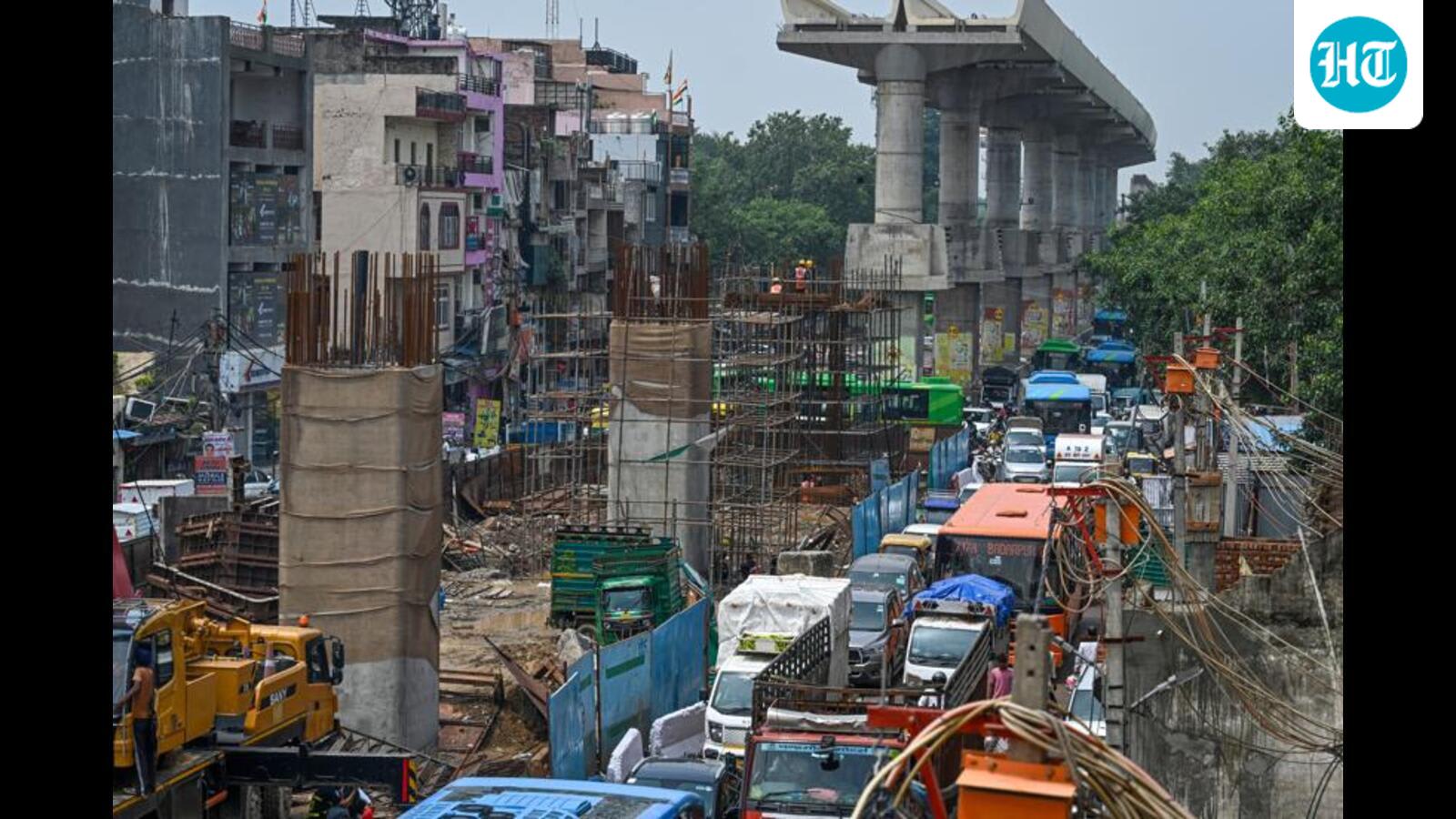
Delhi and Gurugram are implementing aggressive winter air pollution measures, including mechanical sweeping, dust control, and strict vehicle emission enforcement. Authorities are focusing on proactive mitigation strategies to prevent hazardous air quality levels as winter approaches.
Delhi-NCR Prepares for Winter Pollution Crisis
As the winter season approaches, the National Capital Region (NCR) is bracing for its annual struggle with hazardous air quality. In a coordinated effort to prevent the region from becoming a 'gas chamber,' municipal authorities in Delhi and Gurugram have unveiled a series of aggressive mitigation strategies. These measures, discussed during recent high-level committee meetings, represent a shift toward more proactive, technology-driven environmental management.
Municipal Corporation of Delhi's Strategy
The Municipal Corporation of Delhi (MCD) has prioritized dust mitigation as a cornerstone of its winter action plan. During a recent House Committee meeting, Chairperson Sandeep Kumar announced that the Delhi government has approved funding for a fleet of 70 new mechanical road-sweeping machines. Notably, the procurement includes 45 compact machines specifically designed for narrow lanes under 60 feet, acknowledging the unique urban topography of Delhi where larger sweepers often cannot operate effectively.
Gurugram’s Enforcement Push
Parallel to Delhi’s efforts, the administration in Gurugram, led by Municipal Corporation Commissioner Pradeep Dahiya, has adopted a stringent regulatory approach. The 13th District Coordination Committee meeting resulted in a mandate to deny fuel sales to vehicles lacking valid Pollution Under Control (PUC) certificates and to enforce bans on end-of-life vehicles. Furthermore, the administration has implemented a system for live monitoring at over 1,000 sites, ensuring that environmental norms are upheld across the Millennium City.
The Role of Technology and Oversight
Both jurisdictions are emphasizing a combination of mechanical intervention and real-time surveillance. Delhi’s focus on deep cleaning and water sprinkling complements the broader regional push for constant road maintenance. By integrating live monitoring systems, officials aim to identify pollution hotspots instantaneously, allowing for targeted enforcement rather than relying solely on generalized restrictions.
Regulatory Framework and Future Implications
These local actions are occurring in alignment with the Commission for Air Quality Management’s (CAQM) Graded Response Action Plan (GRAP). The establishment of clear operational timelines for civic, transport, and environmental agencies is critical to the efficacy of these measures. As these agencies transition into the enforcement phase, the success of the winter action plan will depend on consistent monitoring and the strict adherence to vehicle emission standards across the entire NCR.
Conclusion
The proactive stance taken by Delhi and Gurugram authorities highlights a growing recognition of the need for systematic, year-round preparation for winter pollution. By investing in specialized machinery and enforcing strict fuel and emission protocols, the administration seeks to mitigate the severe health risks associated with the winter smog. The effectiveness of these combined efforts will be a key indicator of the region's long-term capacity to manage its air quality crisis.
Multiple Citing Sources
Verification Required?