‘Preventive detention not punitive’: Supreme Court states in Sambhal mosque violence National Security Act case
Source Entity
Latest News: Todays Latest News Headlines from India & World | Hindustan Times | Hindustan Times
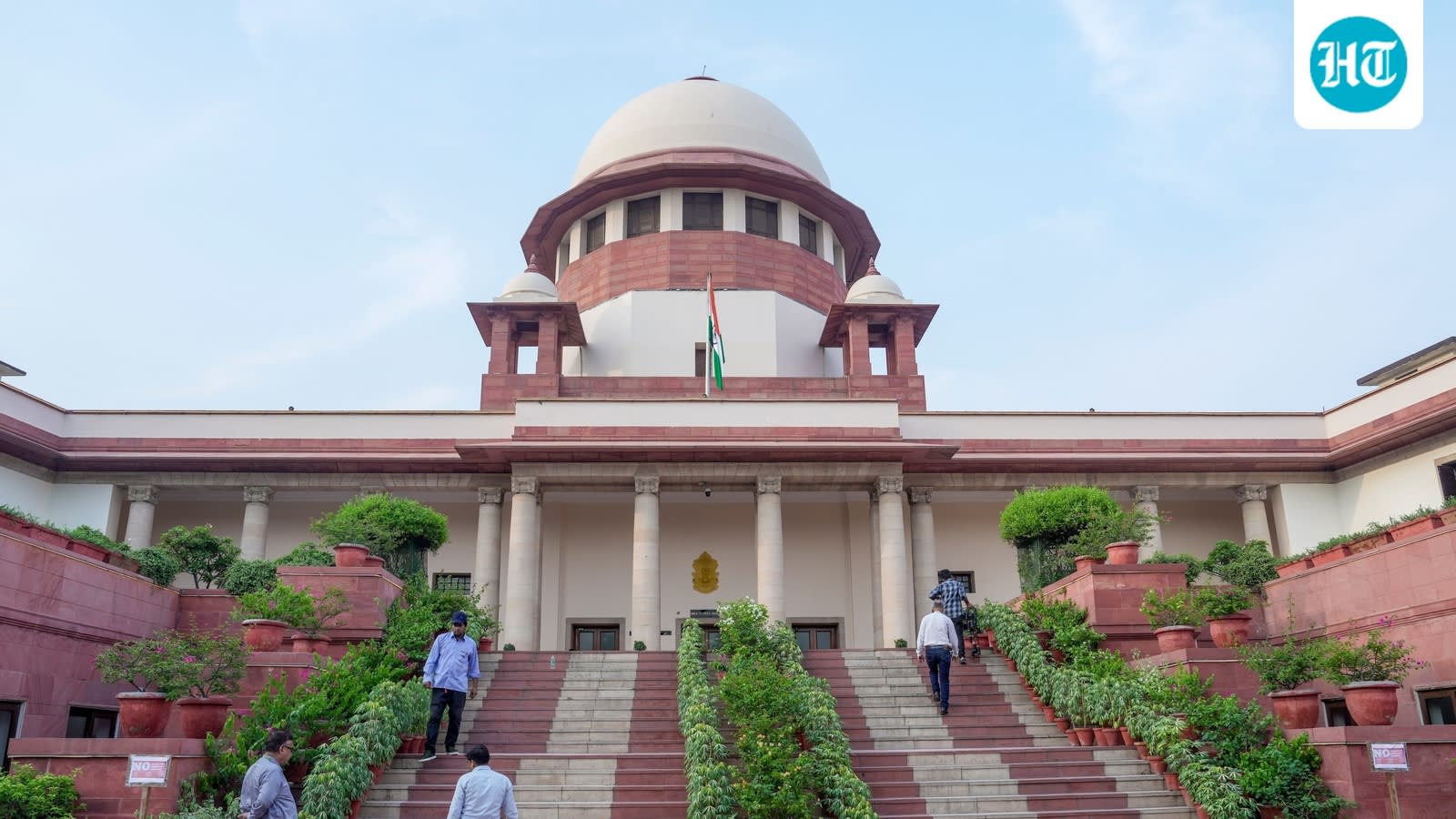
The Supreme Court has imposed a ₹10 lakh fine on the Uttar Pradesh government for the illegal detention of an individual under the National Security Act following the 2024 Sambhal violence. The court ruled that preventive detention cannot be used as a punitive measure and criticized the state's delayed and procedural failures.
Supreme Court Penalizes Uttar Pradesh Over NSA Misuse
In a landmark ruling, the Supreme Court of India has imposed a significant cost of ₹10 lakh on the Uttar Pradesh government, citing the illegal preventive detention of an individual under the National Security Act (NSA). The case stems from the civil unrest surrounding the November 2024 survey of the Sambhal mosque, an incident that resulted in four deaths and sparked widespread legal scrutiny. The bench, comprised of Justices Dipankar Datta and Sheel Nagu, underscored that the state’s application of the NSA was both procedurally flawed and fundamentally misaligned with the law's intent.
The Failure of Due Process
The court’s critique centered on the inexplicable delay in law enforcement actions. The petitioner, Mulla Afroz, was arrested nearly two months after the violence occurred, despite authorities claiming to possess video evidence of his involvement. The bench questioned why it took the police 54 days to act after the initial FIR was registered. By relying heavily on a confessional statement—which the court ruled insufficient as a sole basis for detention—the state failed to provide a satisfactory justification for depriving the individual of his liberty for a period lasting one year.
Preventive Detention vs. Punitive Action
A critical aspect of the Supreme Court's judgment is the clarification that 'preventive detention is not punitive.' The NSA is designed as a tool to prevent individuals from acting in a manner prejudicial to the security of the state or public order, not as a shortcut for the criminal justice system to punish suspects in lieu of a standard trial. By using the NSA against the accused in the Sambhal case, the state effectively bypassed the necessity of proving guilt through traditional investigative procedures, a practice the judiciary has now strictly curtailed.
Broader Implications for Law Enforcement
This ruling serves as a stern warning against the misuse of preventive detention laws. The Supreme Court's frustration was further compounded by wider investigative irregularities, with the court remarking on instances where police registered FIRs against 'unknown' persons despite complainants having already identified and apprehended suspects on the spot. This pattern of administrative oversight has led the judiciary to question the competency and integrity of local investigative agencies, even prompting rhetorical inquiries about the necessity of transferring such investigations to central bodies like the CBI.
Historical Context and Future Trends
The Sambhal violence, rooted in a legal dispute over the religious heritage of a mosque site, highlights the volatile intersection of civil litigation and public order in India. As courts continue to face an influx of petitions challenging the state's use of extraordinary laws like the NSA, the judiciary is increasingly asserting its role as the ultimate guardian of individual rights against executive overreach. Moving forward, this ruling is expected to force police departments to adhere more strictly to evidentiary standards, as the financial penalty serves as a deterrent against the arbitrary use of detention powers that do not stand up to judicial review.
Verification Required?