Barapullah Phase-3 opens today: What changes for Delhi commuters
Source Entity
VRITI JAIN
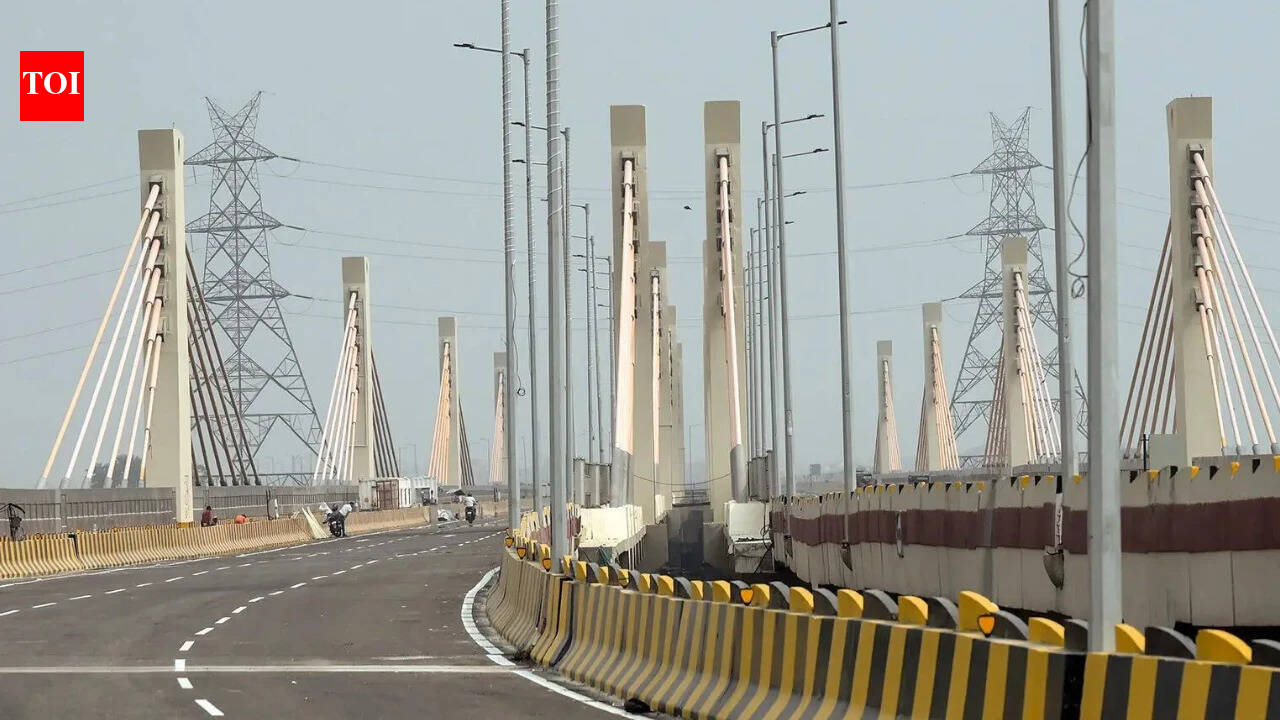
Union Home Minister Amit Shah has inaugurated the Barapullah Phase-3 elevated corridor, a 9-km project linking Mayur Vihar to AIIMS. This signal-free route aims to drastically reduce travel times between East and South Delhi while improving overall urban mobility.
Enhancing Delhi's Urban Connectivity: The Barapullah Phase-3 Milestone
The inauguration of the Barapullah Phase-3 elevated corridor marks a significant advancement in Delhi’s infrastructure development. Spearheaded by Union Home Minister Amit Shah, this project establishes a vital, signal-free link between Mayur Vihar Phase-1 in East Delhi and the All India Institute of Medical Sciences (AIIMS) in South Delhi. By integrating with the existing Barapullah network, the project creates a seamless 9-km elevated stretch, addressing one of the capital's most persistent logistical challenges: the heavy congestion between the trans-Yamuna region and the city's southern commercial and medical hubs.
Engineering Achievements and Project Scope
At the heart of this development is a 3.5-km-long, three-lane flyover that has been under construction since 2015. A standout feature of the project is its complex engineering, specifically the bridge structure spanning the Yamuna floodplain, which required careful execution to navigate the terrain. The corridor is designed with eight strategic loops—four at Sarai Kale Khan and four at Mayur Vihar—facilitating efficient traffic flow and reducing bottlenecks that have historically plagued commuters in these transit corridors.
Impact on Commuter Efficiency
For the thousands of daily commuters traveling from Noida and East Delhi toward South Delhi, the impact is expected to be transformative. Official projections indicate that the average travel time to the AIIMS area will plummet from the current 35–40 minutes to approximately 15 minutes. This significant reduction in transit time not only enhances the quality of life for daily office-goers but also ensures faster emergency access to one of India’s premier healthcare institutions.
Holistic Urban Planning
Beyond the primary flyover, the project demonstrates a commitment to inclusive urban design. The inclusion of a dedicated cycle track and pedestrian infrastructure highlights a shift toward multi-modal transport planning, acknowledging the needs of non-motorized road users in a dense urban environment. Furthermore, the inauguration ceremony also served as a platform to announce additional infrastructure improvements, including two new flyovers and the Mukarba Chowk underpass, signaling a broader government effort to streamline traffic movement across both South and North Delhi.
Challenges and Future Trends
While the inauguration represents progress, the project's long gestation period—having been under construction since 2015—underscores the inherent difficulties in executing large-scale infrastructure projects in a congested metropolitan area. The temporary traffic disruptions reported on the Ring Road during the inauguration highlight the delicate balance required to manage day-to-day transit while implementing major structural upgrades. Moving forward, the success of the Barapullah Phase-3 extension will likely serve as a blueprint for future signal-free corridors in the capital, emphasizing the necessity of integrating diverse transit needs, from motorized traffic to pedestrian safety.
Conclusion
In summary, the completion of the Barapullah Phase-3 corridor is a major milestone for Delhi's transport landscape. By bridging the gap between the eastern and southern districts with a high-capacity, signal-free route, the city takes a decisive step toward reducing commute times and improving regional connectivity. As these infrastructure projects continue to evolve, the focus will likely remain on balancing rapid urban expansion with the necessity of efficient, sustainable, and accessible transit networks.
Multiple Citing Sources