Nine per cent of students report suicidal thoughts, finds Supreme Court-appointed panel’s survey
Source Entity
India Latest News: Top National Headlines Today & Breaking News | The Hindu
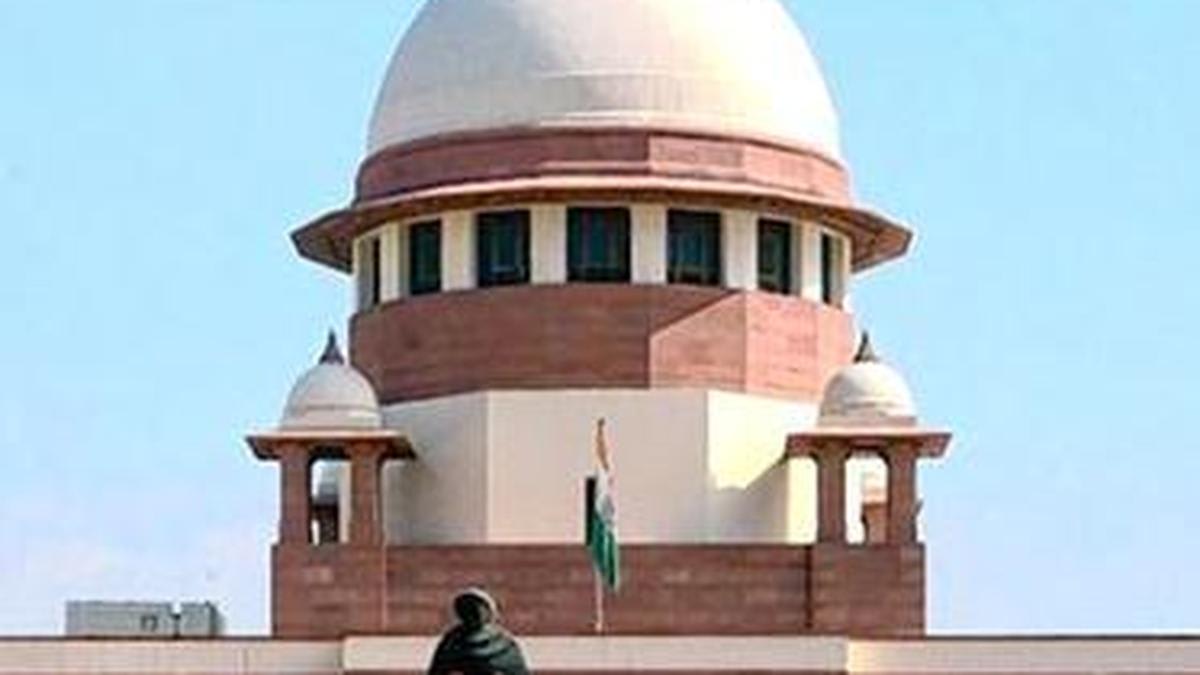
A Supreme Court-appointed panel reports that 9% of higher education students have experienced suicidal thoughts. This data, emerging amidst recent tragedies at institutions like IIT Delhi and Andhra Medical College, highlights a critical need for systemic mental health reforms.
The Silent Crisis: Addressing Student Mental Health in India
Recent data released by a Supreme Court-appointed National Task Force (NTF) has shed light on a profound crisis within India’s higher education system. The survey findings, which indicate that 9% of students have experienced suicidal thoughts and 15% have felt overwhelmed or distressed, provide empirical weight to the growing public concern surrounding student well-being. These statistics are not merely abstract numbers but represent a systemic failure that demands immediate and comprehensive intervention.
The Anatomy of Distress
Beyond the alarming rates of suicidal ideation, the survey highlights structural deficiencies in how academic institutions manage student welfare. Notably, 34% of students reported feeling like 'outsiders,' and 32% explicitly stated that their institutes lacked adequate counseling facilities. These findings suggest that the alienation felt by students, combined with a lack of professional support, creates a volatile environment where academic pressure can quickly escalate into a mental health emergency.
The Limitations of Reactive Measures
In response to tragedies at institutions like IIT Bombay and BIT Mesra, administrators have often resorted to physical modifications, such as replacing ceiling fans or installing nets in balconies. These actions mirror the historical response in Kota, where 'anti-suicide' devices were mandated after a series of deaths. However, mental health experts are increasingly vocal in their criticism of these measures, arguing that they address the symptoms of distress rather than the root causes, such as high-stakes academic culture and social isolation.
A Nationwide Pattern of Tragedy
The urgency of the NTF's mission is underscored by recent incidents, such as the back-to-back suicides of two female medical students at Andhra Medical College in Visakhapatnam. These cases—involving Dr. P. Sailaja and Y. Sravani—illustrate that the crisis is not limited to engineering colleges but permeates high-pressure professional education across disciplines. Despite claims that these students did not report complaints to seniors, the frequency of such events points to a broader, unspoken culture of performance-based anxiety.
Path to Reform: The NTF Mandate
The upcoming final report from the National Task Force, due by October 31, 2026, is expected to be a watershed moment for educational policy in India. By synthesizing nationwide data with the lived experiences of students, the NTF must shift the focus from reactive physical barriers to proactive psychological support. This includes integrating mental health literacy into the curriculum, ensuring professional counseling is accessible and destigmatized, and fostering an inclusive academic environment that values student health over sheer output.
Conclusion
The current data serves as a stark warning to the academic community. Without a fundamental shift in how institutions prioritize the human element of education, the cycle of tragedy is likely to persist. The Supreme Court's intervention is a vital step toward accountability, but the true measure of success will be whether these findings translate into tangible, long-term policy changes that protect the most vulnerable members of the student population.
Verification Required?