How the bare nails trend became a class issue
Source Entity
BBC News
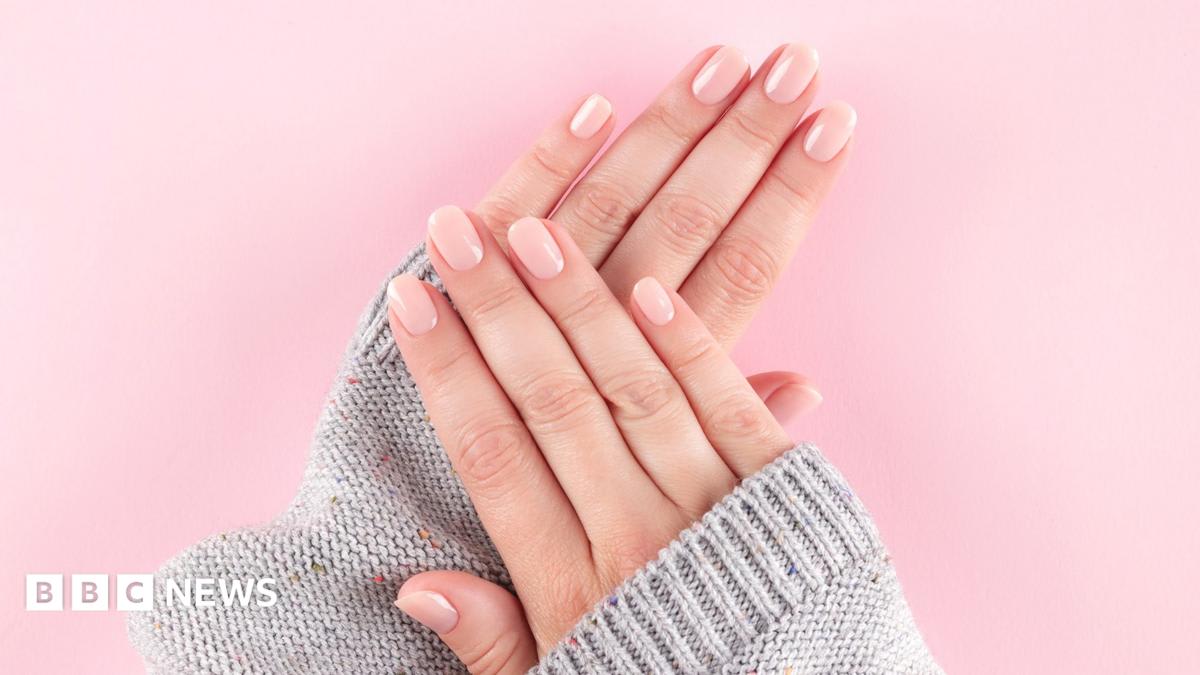
The 'bare nails' aesthetic is emerging as a nuanced status symbol, reflecting historical patterns where nail presentation signals social class and labor status. This trend highlights how personal grooming choices continue to carry deep political and cultural implications.
The Political Economy of the Manicure
The recent rise of the 'bare nails' trend—characterized by a minimalist, natural appearance—is far from a simple aesthetic choice. As fashion historian Suzanne E. Shapiro notes, nail presentation has historically served as a silent communicator of a wearer’s socioeconomic status. While today’s trend toward 'bare' nails may appear to be a rejection of the high-maintenance artificial nail industry, it remains deeply rooted in the long-standing tradition of using the body as a canvas for signaling one's position within the social hierarchy.
Historical Context: From Imperial China to the 1800s
To understand the gravity of current trends, one must look at the historical precedent of nail grooming. In 13th-century Imperial China, lengthy, ornamental talons were the ultimate signifier of nobility. These nails served as a tangible proof that the wearer was exempt from manual labor, as such delicate appendages would be impossible to maintain while performing physical work. By contrast, the brass nail shields used to protect these talons underscored their status as fragile, non-utilitarian assets of the elite.
The Morality of Maintenance
By the 1800s, the cultural narrative surrounding nails shifted toward health and morality. The use of rose-tinted waxy salves became a standard for displaying vigor. However, this was a precise balancing act: a single layer suggested a healthy, industrious nature, while two layers were often viewed with suspicion, labeling a woman as vain or morally loose. This historical anxiety over cosmetic application illustrates that beauty standards have long been used to police women's behavior and their perceived 'virtue' in public spaces.
Modern Implications: The 'Bare' Paradox
Today, the 'bare' nail trend exists in a similar state of tension. It serves as a modern class signal; often, achieving the 'perfectly bare' look requires professional buffing, hydration, and high-end maintenance that suggests a life free from the harsh chemicals or manual tasks that typically damage the nail plate. Thus, what appears to be an 'innocent' or 'natural' look is frequently a performance of leisure, mirroring the historical separation between those who work with their hands and those who do not.
Future Trends and Cultural Significance
As we look forward, the politicization of the body will likely continue to evolve in tandem with fashion trends. The 'bare nail' movement suggests a pivot toward a more performative version of authenticity. Because women's bodies and self-presentation retain significant cultural and political weight, we can expect that even the most minimalist aesthetic trends will continue to be interrogated through the lens of social class, labor, and the ongoing struggle for autonomy over personal presentation.