Barrierless tolling makes road users fall in line, drop in number of e-notices at plazas
Source Entity
DIPAK K DASH
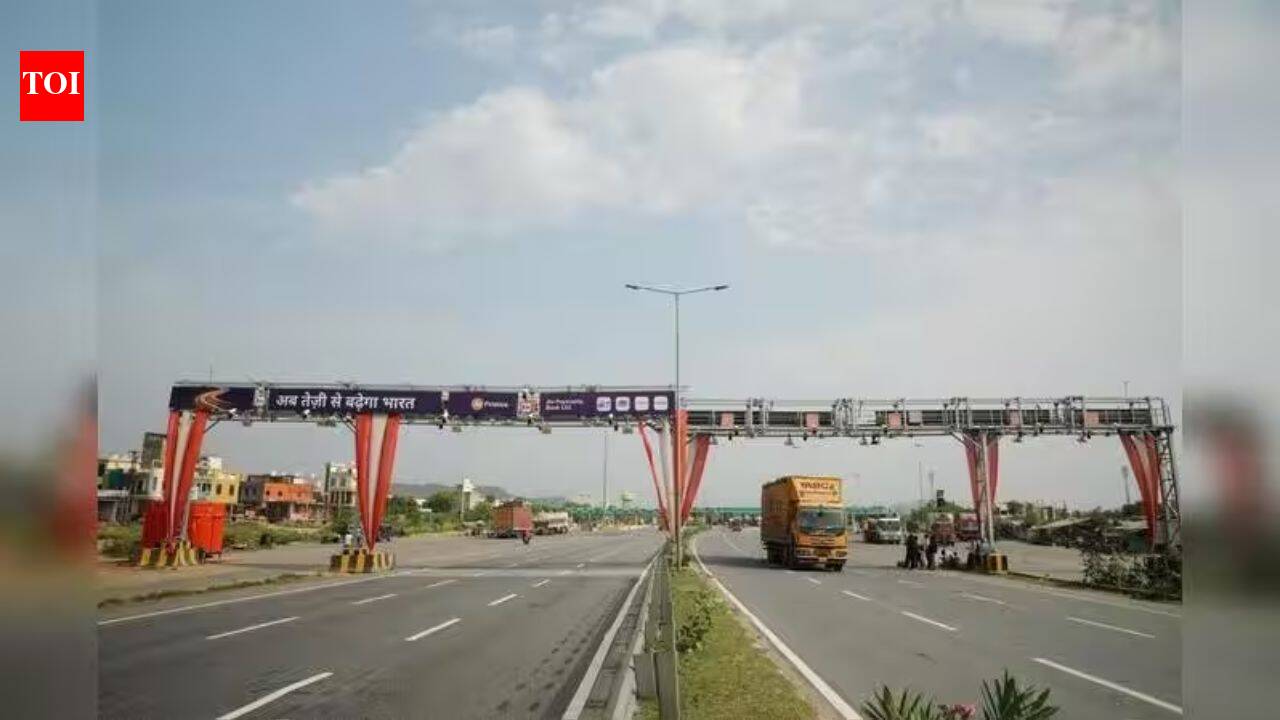
The implementation of barrierless tolling on national highways is successfully improving driver compliance. Data from pilot sites shows a steady decline in e-notices for violations, signaling a shift toward more disciplined road usage.
The Shift Toward Barrierless Tolling: A New Era for Indian Highways
Promoting Discipline Through Technology
The introduction of barrierless tolling, known as Multilane Free Flow (MLFF), marks a transformative shift in how India manages its national highway infrastructure. By removing physical barriers, authorities have created a system that relies on digital compliance rather than physical obstruction. Recent data suggests that this transition is successfully inculcating greater discipline among road users, as the transition from manual processing to automated e-notices begins to reshape driver behavior.
Analyzing the Decline in Violations
Evidence from key pilot locations demonstrates a measurable improvement in compliance. At the Choryasi toll plaza on NH-48 in Gujarat, the first site to implement the system, the number of e-notices issued for violations dropped significantly from 1.7 lakh in May to 92,240 by July. Similarly, the Mundka toll plaza in Delhi has seen a stabilizing effect, with e-notices showing a marginal decline between June and July. These figures serve as a critical indicator that as users become accustomed to the digital enforcement framework, the frequency of violations tends to subside.
The Mechanics of Multilane Free Flow (MLFF)
MLFF technology functions by utilizing advanced sensors and cameras to identify vehicles moving at speed, eliminating the need for vehicles to decelerate or stop at traditional toll booths. This not only reduces congestion—a historically persistent problem on Indian highways—but also creates a seamless flow of traffic. The reliance on e-notices ensures that accountability is maintained even without a physical barrier, effectively bridging the gap between convenience and regulatory oversight.
Broader Implications for Infrastructure
The success of these pilot projects carries significant implications for the future of national infrastructure. By reducing the number of violations, authorities can better manage traffic density and improve overall road safety. The shift away from physical toll plazas suggests a future where high-speed transit corridors can be managed with minimal human intervention, reducing operational costs while increasing the efficiency of revenue collection.
Future Trends and Outlook
As India continues to modernize its national highway network, the expansion of barrierless tolling is likely to be a central pillar of road management strategy. The downward trend in e-notices indicates a "learning curve" effect where road users eventually adapt to the system's requirements. Moving forward, the integration of these technologies could lead to a more intelligent, responsive, and safer transport ecosystem that aligns with international standards for high-speed motorway management.
Conclusion
In summary, the transition to barrierless tolling is proving to be a highly effective strategy for enhancing road safety and user compliance. The decline in e-notices at pilot plazas like Choryasi and Mundka highlights the efficacy of digital enforcement. As this technology scales across the national network, it promises a future of more efficient, orderly, and technologically advanced travel for road users across the country.