Why people aren’t buying Mark Zuckerberg’s AI future
Source Entity
Anthony Ha
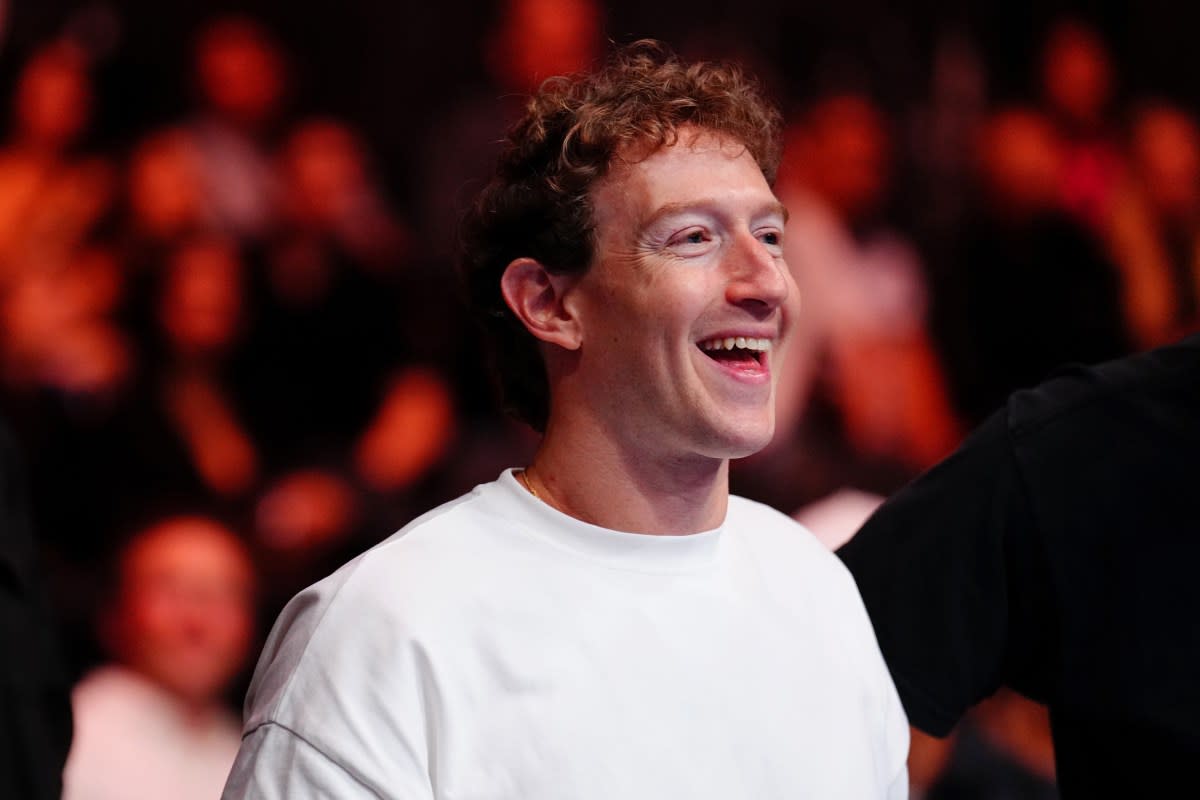
Meta CEO Mark Zuckerberg's 6,500-word vision for an AI-integrated future has sparked significant skepticism among industry experts. Critics argue his optimistic manifesto fails to address underlying public mistrust toward AI and Meta's corporate agenda.
The Visionary vs. The Skeptic: Zuckerberg’s AI Manifesto
Meta CEO Mark Zuckerberg recently released a sprawling, 6,500-word essay titled “The Future is for Everyone.” In this manifesto, Zuckerberg outlines a transformative vision for society, centered on the integration of highly capable, personalized AI agents. He posits that these agents will act as intimate digital companions, deeply understanding a user’s goals, preferences, and personal life to facilitate a more efficient and connected existence.
The Disconnect Between Optimism and Public Sentiment
Despite the grandeur of this technological roadmap, the reaction from the tech community and media has been notably tepid. On a recent episode of TechCrunch’s Equity podcast, hosts Kirsten Korosec, Rebecca Bellan, and their colleagues dissected why this narrative is failing to resonate with the broader public. The core of the issue lies in a fundamental lack of trust; as noted by Russell Brandom, the very tone and content of the manifesto serve as a case study for why many individuals remain inherently wary of AI development.
Positioning Meta in the AI Landscape
An interesting point of divergence highlighted in the analysis is the positioning of Mark Zuckerberg relative to other industry leaders. Rebecca Bellan characterized Zuckerberg as an “anti-Dario,” contrasting his unbridled optimism with the more cautious, nuanced approach of Anthropic CEO Dario Amodei. While Amodei is actively distancing himself from the “AI doomer” label, he still engages with the existential risks of the technology. Zuckerberg, by contrast, adopts a posture of total technological inevitability.
The Problem with Corporate Narratives
Critics argue that the primary issue with Zuckerberg’s vision is that it ignores the systemic concerns surrounding Meta’s track record. By painting AI as a purely beneficial tool for personal empowerment, the manifesto glosses over the privacy and data-handling anxieties that have plagued the company for years. When a platform known for data monetization promises an AI agent that “understands everything you care about,” the public's instinct is suspicion rather than excitement.
Broader Implications for AI Adoption
This debate underscores a critical trend in the tech industry: the struggle to bridge the gap between corporate PR and public perception. As AI becomes more invasive in our daily workflows and personal lives, the source of that technology matters just as much as the utility it provides. Zuckerberg’s failure to acknowledge these sociotechnical tensions suggests that Meta may struggle to achieve widespread adoption for its AI vision until it addresses the foundational concerns of its user base.
Conclusion: A Future Still in Question
Ultimately, while Zuckerberg’s essay provides a clear window into his ambitions for Meta, it highlights a profound misalignment with current public sentiment. Whether this vision of personalized AI agents becomes a reality depends less on the technical capability of the software and more on whether Meta can reconcile its corporate interests with the need for transparency, security, and genuine user trust.