Flying first class is getting cheaper — if you don’t mind giving up some perks
Source Entity
Claudia Assis
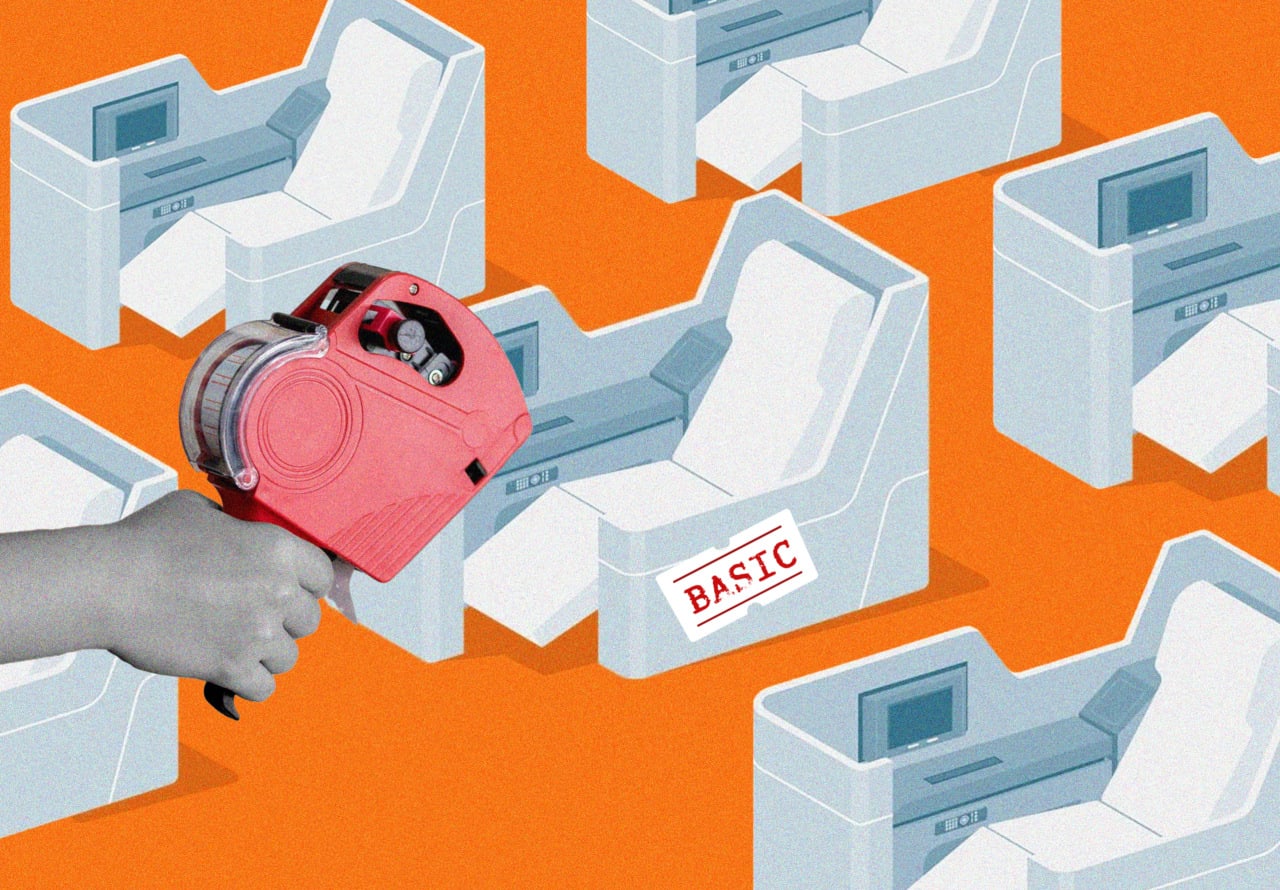
Airlines are introducing tiered 'basic first class' seating options to make premium travel more accessible. This strategy involves stripping away traditional perks to offer lower price points for luxury cabins.
The Evolution of Premium Air Travel
The aviation industry is currently undergoing a structural shift in how it defines and sells premium cabin experiences. The emergence of 'basic first class' represents a significant departure from the traditional model, where first-class travel was synonymous with an all-inclusive, high-touch service experience. By segmenting the premium cabin into multiple tiers, airlines are attempting to democratize luxury while maintaining higher profit margins through strategic unbundling.
The Mechanics of 'Basic' Luxury
At the core of this trend is the unbundling of services that travelers have historically associated with first-class tickets. While the physical seat—often characterized by increased legroom, wider dimensions, or lie-flat capabilities—remains the primary value proposition, the 'basic' designation implies a reduction in auxiliary benefits. This could include restricted lounge access, modified meal services, reduced baggage allowances, or the loss of priority boarding privileges. This strategy mirrors the successful implementation of basic economy fares, which allowed airlines to compete with low-cost carriers while protecting their revenue per available seat mile.
Market Drivers and Consumer Behavior
The move toward tiered premium cabins is largely driven by the changing demographics of air travelers. As the gap between economy and business class continues to widen in terms of price, a growing segment of leisure travelers seeks the comfort of a premium seat without the exorbitant cost of a fully serviced ticket. Airlines are responding to this latent demand by creating a 'middle ground' that appeals to budget-conscious luxury seekers, thereby increasing the utilization of premium cabins that might otherwise remain empty on specific routes.
Strategic Implications for Airlines
For airline operators, the introduction of tiered first class is an exercise in yield management. By offering a 'basic' entry point, carriers can capture market share from competitors and incentivize passengers to 'upsell' themselves to higher tiers for specific perks. This creates a psychological pricing anchor, making the more expensive, full-service first-class tickets appear as a premium upgrade rather than a baseline expectation. It effectively maximizes revenue from every square foot of the aircraft's footprint.
Future Trends in Cabin Segmentation
Looking ahead, we can expect to see further refinement in cabin architecture and service delivery. As airlines continue to prioritize ancillary revenue, the customization of the first-class experience will likely become the industry standard. Passengers may soon face a modular booking process where they select their seat tier first, and then 'add-on' amenities based on their immediate travel needs. This transition signals a move away from the 'all-inclusive' era of luxury toward a more granular, personalized, and efficient model of premium travel.
Conclusion
The introduction of 'basic first class' is a transformative development in commercial aviation. While it may initially seem counterintuitive to dilute the premium experience, it reflects a broader industry trend toward flexibility and accessibility. As long as transparency regarding these service limitations remains a priority, this tiered approach will likely become a permanent fixture in the competitive landscape of global air travel.
Verification Required?