BCCI confident of Asia Cup trophy ‘landing’ in Mumbai after stand-off with Mohsin Naqvi: ‘No timeline’
Source Entity
Latest News: Todays Latest News Headlines from India & World | Hindustan Times | Hindustan Times
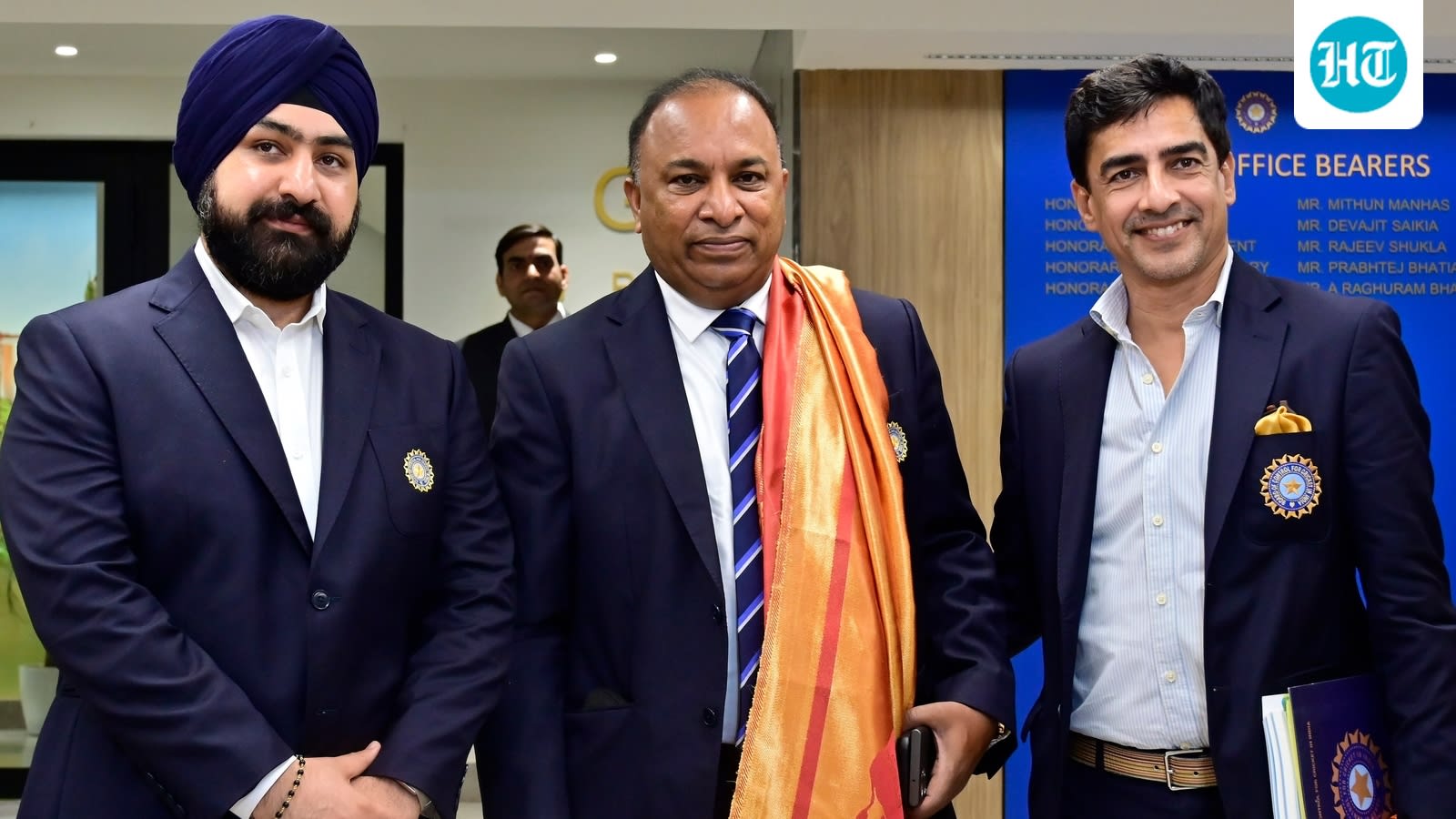
The BCCI has confirmed that the men's and women's Asia Cup trophies will arrive in Mumbai following a diplomatic stand-off. Both Indian teams previously refused to accept the silverware from ACC President Mohsin Naqvi during official ceremonies.
The Diplomatic Standoff Over Asia Cup Silverware
The Board of Control for Cricket in India (BCCI) has officially addressed the unusual administrative impasse regarding the Asia Cup trophies. Secretary Devajit Saikia confirmed that both the men’s and women’s championship trophies, which have remained at the Asian Cricket Council (ACC) headquarters in Dubai, are expected to reach Mumbai. This development follows a period of heightened tension where Indian cricket squads deliberately bypassed the official presentation ceremonies to avoid receiving the awards from ACC President Mohsin Naqvi.
A Pattern of Strategic Boycott
This refusal to participate in the formal trophy presentations is not an isolated incident but a consistent stance maintained by Indian cricket leadership. When the women’s team secured the T20 Asia Cup, they opted to hold their own private medal ceremony rather than accept the trophy from Naqvi on the dais. This mirrored the actions of the men’s team, who similarly declined to accept their trophy from the ACC President during a previous edition of the tournament. These actions signal a deep-seated administrative friction between the BCCI and the current leadership of the ACC.
The Intersection of Sport and Geopolitics
At the heart of this controversy lies the dual role of Mohsin Naqvi, who serves as the President of the ACC while also holding a prominent position within the Pakistan Cricket Board (PCB). The BCCI’s refusal to engage in formal ceremonies involving Naqvi reflects broader geopolitical sensitivities that frequently spill over into the sporting arena. By withholding participation in these ceremonies, the BCCI is utilizing its significant influence within the cricketing world to make a public statement regarding its diplomatic stance.
Logistical and Administrative Implications
While the BCCI remains confident that the trophies will eventually reach Mumbai, the lack of a specific timeline suggests that the resolution of this matter is tied to ongoing behind-the-scenes negotiations. The trophies currently remain in the custody of the ACC in Dubai, serving as silent symbols of the current diplomatic deadlock. The BCCI’s recent Annual General Meeting (AGM) served as the platform to clarify this situation, reassuring fans that the domestic arrival of the silverware is inevitable, even if the process is delayed by administrative posturing.
Future Outlook for Asian Cricket
Looking ahead, this standoff highlights the fragility of regional sports governance when national interests collide with international sporting bodies. As the ACC navigates these tensions, the incident serves as a reminder that the presentation of trophies is rarely just a ceremonial act; it is often a reflection of the political climate between the participating nations. Until a broader diplomatic consensus is reached, the relationship between the BCCI and the ACC leadership will likely continue to be defined by these symbolic acts of non-participation.
Conclusion
Ultimately, while the trophies will eventually find their way to the BCCI headquarters, the narrative surrounding their arrival is one of assertion and principle. By prioritizing their stance over the traditional rituals of victory, India’s teams have turned the trophy presentation into a focal point of geopolitical discourse. The sporting community now waits to see how this administrative tension will influence future tournament protocols and the overall management of the Asian Cricket Council.
Verification Required?