Olympiad: Humpy downs 'Greek Goddess' Tsolakidou; Gukesh back above 2700
Source Entity
JYOTIRMOY HALDER
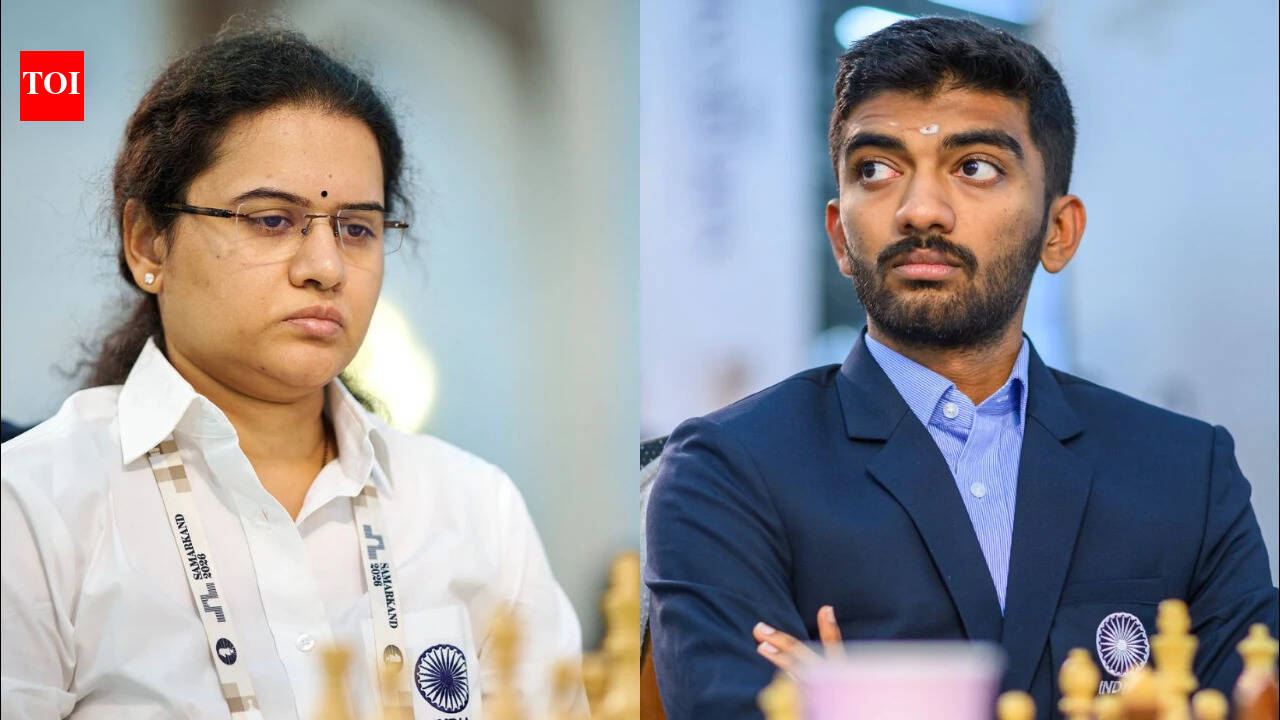
India's chess teams maintain strong momentum at the 2026 Olympiad in Samarkand, with top stars Koneru Humpy and Gukesh securing crucial victories. The team has navigated early logistical hurdles and strategic roster shifts to remain a dominant force in the tournament.
India's Dominance Continues at the 2026 Chess Olympiad
The 2026 Chess Olympiad in Samarkand, Uzbekistan, has become a showcase of resilience for the Indian contingent. As the tournament progresses, both the men’s and women’s teams have demonstrated why they are considered the top seeds and favorites to secure gold. The Indian women’s team, defending their title, has maintained an unbeaten streak, while the open section squad has successfully recalibrated after a challenging start to the event.
The Humpy-Tsolakidou Narrative
One of the most compelling individual arcs in the early rounds was the clash between Indian veteran Koneru Humpy and Greece’s Stavroula Tsolakidou. Following recent setbacks in the Global Chess League, Humpy’s victory over Tsolakidou was more than just a routine win; it was a psychological turning point. This victory solidified the Indian women’s team's dominance in Round 3, ensuring their momentum remains unchecked as they push toward the podium.
Gukesh and the Strategy of Board Order
The open section has seen significant discussion regarding team composition, specifically the decision to place World Champion D Gukesh on the fourth board. While critics initially questioned the move—wondering if it signaled a lack of confidence in the young prodigy—Gukesh clarified that the strategic choice was his own. By placing him behind Praggnanandhaa, Arjun Erigaisi, and Nihal Sarin, the team aimed to optimize their chances against diverse opponents, proving that the squad prioritizes collective success over individual board hierarchy.
Overcoming Logistical Adversity
Success at the international level is rarely just about skill; it is also about endurance. The team’s early performance was hampered by significant travel and logistical issues, including a six-hour wait for hotel rooms upon arrival. Gukesh explicitly noted that these stressors contributed to Arjun Erigaisi’s surprise loss in the opening round. The fact that the team has bounced back so decisively from these administrative hurdles speaks volumes about their mental fortitude and professional preparation.
Returning to Form
The individual bounce-back of Gukesh is a critical development for India's championship aspirations. After slipping below the 2700 ELO rating threshold, his clinical victory over Italy’s Sabino Brunello served as a strong reminder of his capabilities. By returning to winning ways with the black pieces, Gukesh has signaled that he is back in form, which is vital for India’s top-board stability as the tournament enters its more grueling middle stages.
Future Trends and Outlook
As the Olympiad proceeds in Samarkand, the Indian team's ability to adapt—both to board orders and unexpected travel disruptions—positions them as the team to beat. The integration of young talent like Nihal Sarin and Praggnanandhaa with established stars like Humpy and Gukesh provides a balanced roster capable of handling high-pressure scenarios. If they continue to manage their internal dynamics and focus as effectively as they have in the opening rounds, the Indian teams are well-positioned to secure top honors in both divisions.
Multiple Citing Sources