‘Manan, it’s done bro’: Dipke calls ‘legal cockroaches’ to protest against BCI chief
Source Entity
SHREEDHAR RATHI
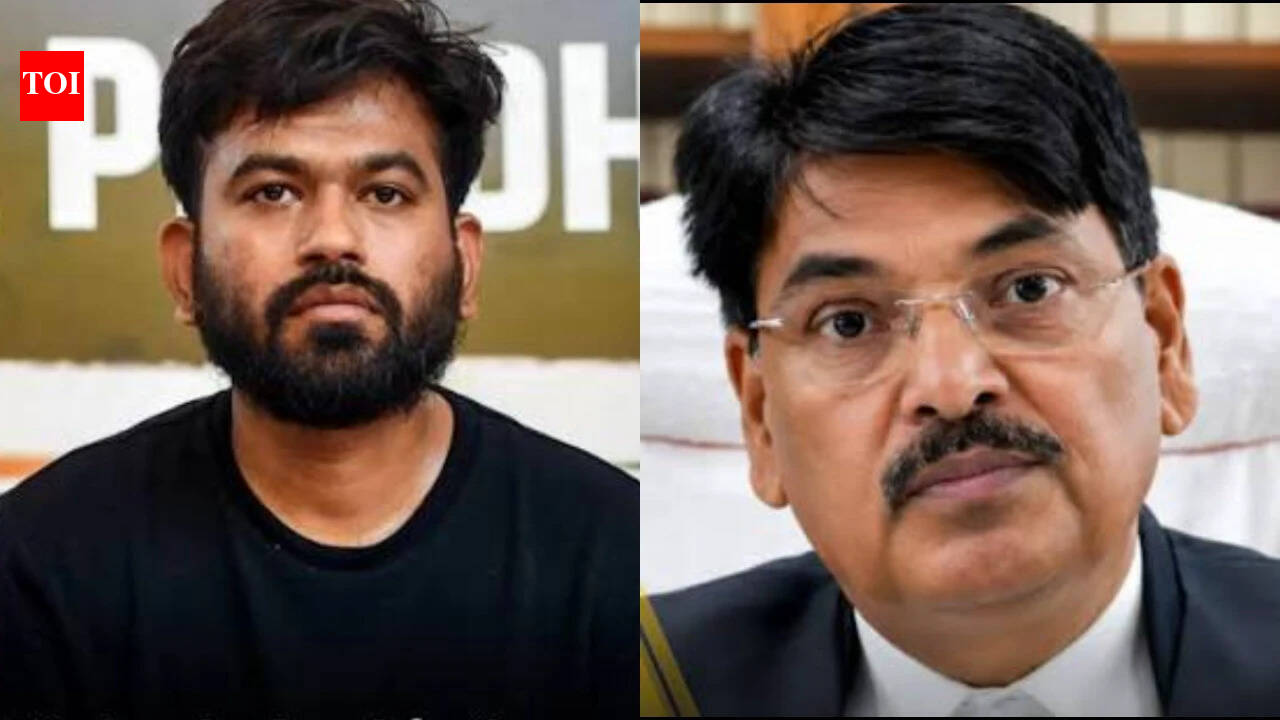
The Bombay Bar Association and other legal groups are demanding the resignation of BCI Chairman Manan Kumar Mishra following a controversial, now-withdrawn directive targeting NALSAR University students. Critics argue his subsequent apology was insufficient and an attempt to merely deflect accountability for abusing his office.
The BCI Controversy: A Crisis of Institutional Accountability
The legal fraternity in India is currently embroiled in a significant internal conflict following a controversial directive issued by the Bar Council of India (BCI) Chairman, Manan Kumar Mishra. On August 13, Mishra issued an order effectively barring the 2026 graduating batch of the National Academy of Legal Studies and Research (NALSAR) University of Law from enrolment. This directive, which was eventually rescinded following intense backlash, stems from a broader tension involving student activism, specifically a campaign regarding the Chief Justice of India’s participation in a university convocation.
The Bombay Bar Association’s Stance
The Bombay Bar Association (BBA), one of the oldest and most respected organizations of lawyers practicing before the Bombay High Court, has taken a firm stand against the BCI leadership. In a letter dated August 18, the BBA explicitly stated that Mishra’s subsequent apology was "belated" and merely an "attempt to assuage the situation" rather than a sincere expression of remorse. The association characterized the initial order as an "abuse" of the Chairperson’s office, signaling a deep erosion of trust between the regulatory body and the practitioners it represents.
Escalating Demands for Resignation
The criticism has transcended institutional letters, moving toward active, public dissent. Saurav Das, national spokesperson for the Cockroach Janta Party, has leveraged social media to amplify the call for moral accountability, urging Mishra to resign. This sentiment is echoed by the All India Young Advocates Association (AIYAA), which has scheduled a formal demonstration to demand the Chairman’s resignation. The use of the term "Legal Cockroaches" by activists highlights the intensity of the grassroots frustration directed at the BCI’s top leadership.
The Anatomy of the Controversy
The incident began when the BCI attempted to freeze the enrolment of an entire graduating class, a move that experts argue sets a dangerous precedent for the autonomy of legal education institutions. Although the BCI eventually dropped the punitive action against the students while retaining a directive for an inquiry into NALSAR, the damage to the relationship between the regulator and the student body was already done. The BCI's attempt to use its regulatory power to stifle or punish student discourse has triggered a rare, unified reaction from various segments of the legal community.
Broader Implications for Legal Governance
This episode raises critical questions regarding the extent of the BCI’s authority and the checks and balances governing its Chairperson. By attempting to block the career paths of law graduates based on their political or social stances, the BCI risks overstepping its mandate of professional regulation. The current unrest suggests that the legal community is no longer willing to accept unilateral decisions that appear to prioritize political optics over the rights of young advocates.
Future Trends and Conclusion
As the AIYAA prepares for its demonstration, the focus remains on whether the BCI will undergo structural reforms or if the current leadership will survive the mounting pressure. The incident serves as a bellwether for future interactions between the BCI and law schools, suggesting that any future attempts to exert influence over student bodies will be met with organized resistance. Ultimately, the demand for resignation is not just about the specific NALSAR incident, but about the broader principle of maintaining a fair, transparent, and accountable professional regulatory body.
Multiple Citing Sources