'We will test them out': Ben Duckett issues warning to Rohit Sharma, Virat Kohli ahead of ODI series
Source Entity
HINDOL BASU
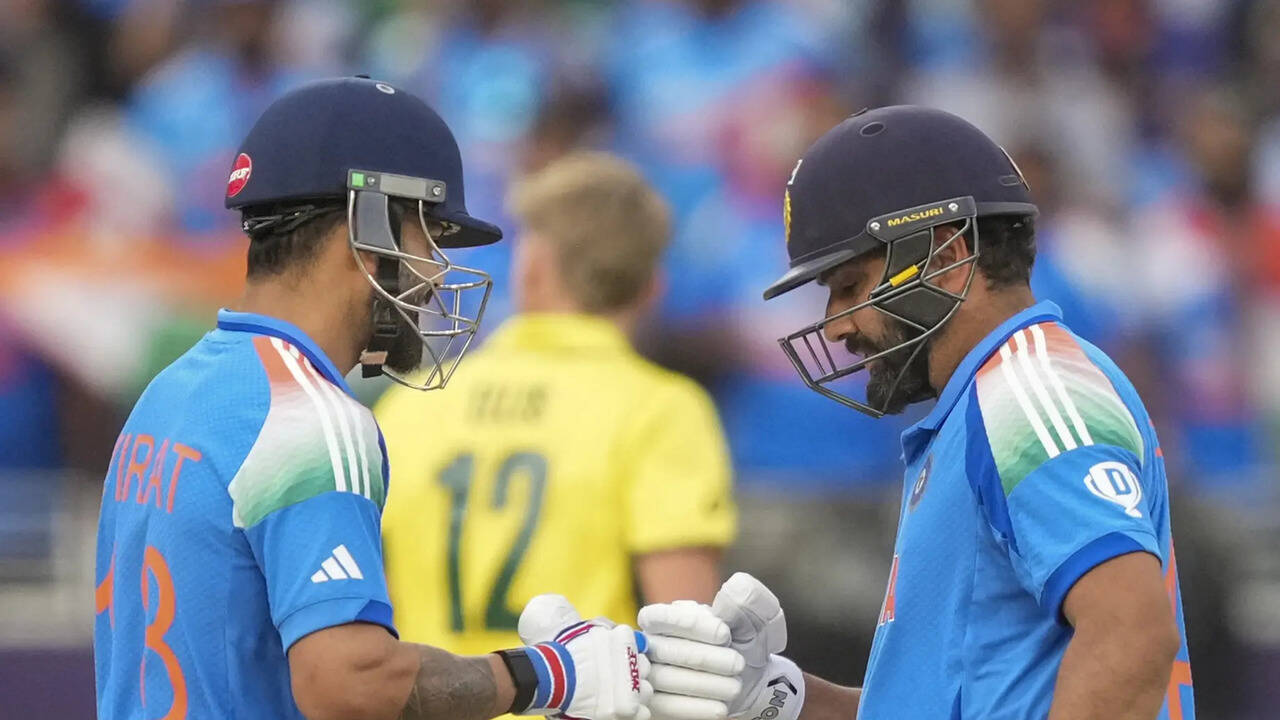
England opener Ben Duckett stated they will test Indian batters with short balls. He acknowledged the challenge will differ from the T20 series. Duckett also discussed facing Jasprit Bumrah in the ODI format. He believes England players have individual plans for Bumrah. Despite T20 success, England anticipates a tough ODI series challenge.
Tactical Warfare: England's Strategic Blueprint for the India ODI Series
The upcoming One Day International (ODI) series between England and India is shaping up to be more than just a contest of skill; it is becoming a psychological battleground. England opener Ben Duckett has set a provocative tone for the series by explicitly stating that the English bowling attack will 'test' Indian stalwarts Rohit Sharma and Virat Kohli with short-pitched bowling. This public declaration serves as a strategic signal, indicating that England intends to disrupt the rhythm of India's top order through aggression and physical intimidation, rather than relying solely on containment.
The Short-Ball Strategy and its Implications
By targeting Rohit Sharma and Virat Kohli with short balls, England is attempting to exploit the inherent risks of the ODI format. While both Sharma and Kohli are masters of the game, the short ball remains a classic tool for creating instability in a batter's footwork and decision-making. In the context of a 50-over match, where the balance between aggression and preservation is delicate, forcing these batters into uncomfortable positions early in their innings can create a ripple effect throughout the Indian batting lineup. This approach suggests that England's analysts have identified specific triggers or vulnerabilities that they hope to exploit to induce errors.
Transitioning from T20 to ODI Dynamics
Duckett's acknowledgement that the challenge in the ODI series will differ significantly from the T20 format is a crucial observation. T20 cricket often prioritizes immediate strike rates and high-risk boundary hitting, whereas ODIs require a sophisticated blend of patience, strike rotation, and calculated acceleration. For England, the transition means moving from a format where a few quick boundaries can win a game to one where the ability to build long innings is paramount. The warning to the Indian batters reflects England's intent to impose their own aggressive brand of cricket on a longer format, challenging India to adapt to a higher level of sustained pressure.
Neutralizing the Bumrah Threat
On the other side of the ball, England is acutely aware of the danger posed by Jasprit Bumrah. Duckett's mention of 'individual plans' for the Indian pace spearhead underscores Bumrah's status as one of the most difficult bowlers to read in world cricket. Bumrah's unique action and ability to execute yorkers and slower balls with pinpoint accuracy often leave batters guessing. By developing tailored strategies for each player, England is attempting to mitigate the 'X-factor' Bumrah brings to the team, suggesting a data-driven approach to ensure that no single bowler can dominate the English batting order.
Managing Expectations Amidst Success
Despite England's recent successes in the T20 arena, Duckett's cautious outlook indicates a mature understanding of the competitive landscape. The history of Anglo-Indian cricket is littered with examples of teams dominating one format only to struggle in another. By anticipating a 'tough ODI series challenge,' England is managing expectations and ensuring that their players remain grounded. This mental preparation is essential to avoid complacency, especially when facing an Indian side that is traditionally dominant in home conditions and possesses a deep reservoir of talent.
Future Trends in Limited-Overs Cricket
This clash highlights a broader trend in modern cricket: the blurring of lines between formats. The aggressive mindset that has defined England's recent approach—often associated with the 'Bazball' philosophy in Tests—is clearly bleeding into their limited-overs strategy. We are likely to see more teams employing 'shock and awe' tactics, such as the targeted short-ball barrage, to unsettle opponents. As analytics become more integrated into the game, the battle between specific bowling plans and individual batting responses will become the primary driver of match outcomes.
Conclusion
Ben Duckett's comments have effectively laid the groundwork for a high-intensity series. By targeting India's best batters and meticulously planning for their best bowler, England is signaling a proactive and fearless approach. The series will ultimately be decided by whether England's aggressive tactics can break the composure of Sharma and Kohli, or if India's technical superiority and Bumrah's brilliance will prevail.