Bengaluru has jobs, weather and tech. Why is mobility becoming its weakest link?
Source Entity
BIJU MATHEW
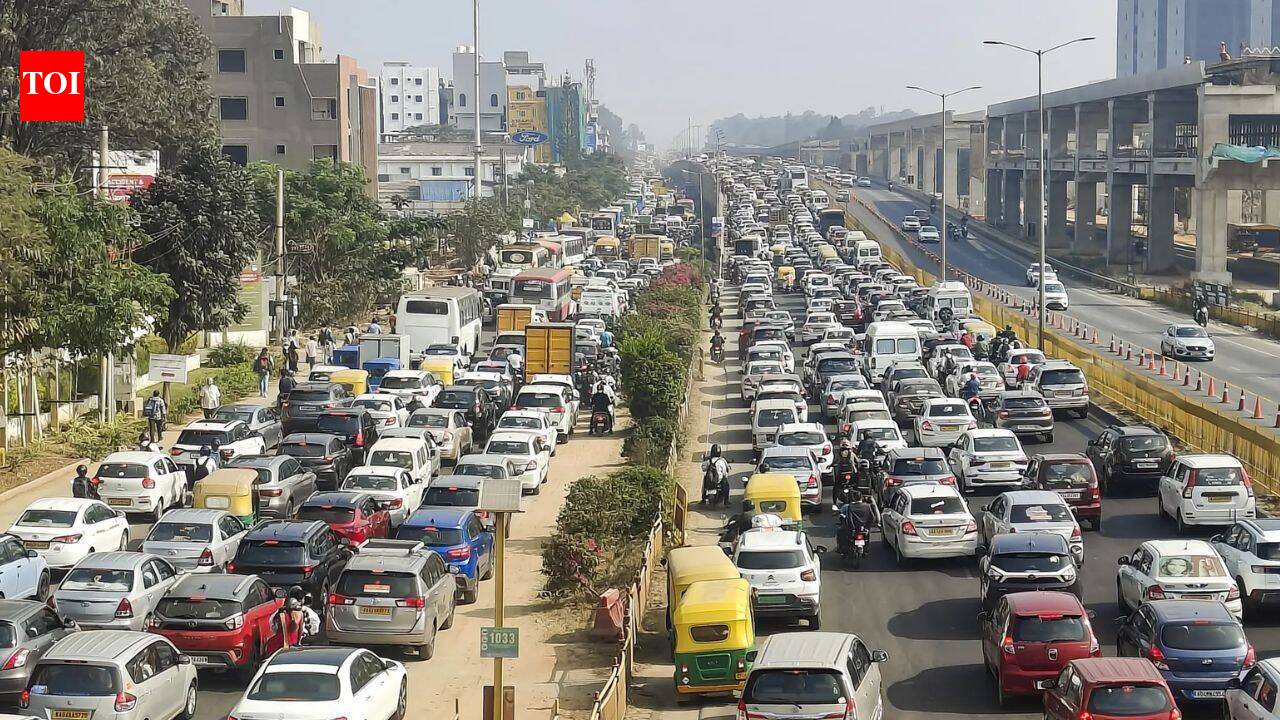
Bengaluru's rapid economic growth is being stifled by severe mobility challenges and inefficient transit integration. Despite metro expansions, the lack of last-mile connectivity and persistent traffic congestion threaten the city's status as a global tech hub.
The Mobility Crisis in India's Silicon Valley
Bengaluru, frequently celebrated as India’s premier technology hub, stands at a critical crossroads. While the city continues to attract global talent with its pleasant climate and robust job market, its infrastructure is failing to keep pace with its rapid expansion. The core of this issue lies not merely in the volume of vehicles on the road, but in a systemic failure of mobility that turns a routine commute into an unpredictable, high-cost endeavor for millions of residents.
The Illusion of Metro Expansion
While the expansion of the Namma Metro has been a significant infrastructure milestone, it has yet to manifest as a panacea for the city's gridlock. Data suggests that adding metro lines has not proportionally reduced the number of private vehicles on the road. This indicates that the current transit network is failing to provide a viable, door-to-door alternative for the average commuter. The metro serves as a high-capacity spine, but without an effective nervous system to feed it, its utility remains localized rather than city-wide.
The Last-Mile Connectivity Gap
The most glaring weakness in Bengaluru’s transit architecture is the 'last-mile' gap. For many professionals, the distance between the nearest metro station and their final destination—be it an office park or a residential complex—is fraught with uncertainty. The Bengaluru Metropolitan Transport Corporation (BMTC) buses carry the daily load, yet they often operate in silos. Without deep, digital, and physical integration between bus routes and metro stations, commuters are forced to rely on private transport, which only exacerbates the existing congestion.
Economic and Productivity Costs
The cost of this mobility crisis extends far beyond the time lost in traffic. It is a drain on the city’s economic productivity and individual quality of life. When employees spend hours of their day navigating unpredictable traffic, the resulting fatigue and stress diminish professional output and personal well-being. If the city cannot solve this, it risks eroding the very advantages—tech leadership and talent attraction—that made it a global destination in the first place.
Future Trends: From Management to Connectivity
To sustain its growth, Bengaluru must pivot from 'managing' traffic to 'connecting' the city. This requires a paradigm shift toward a unified mobility system where public transport modes—metro, bus, and feeder services—are synchronized through technology and infrastructure. Future urban planning must prioritize the commuter's entire journey, ensuring that public transit is not just an option, but the most efficient way to navigate the city. Only by bridging the gap between growth and mobility can Bengaluru secure its long-term future as a viable global tech hub.