Bengaluru civic bodies collect half of annual property tax target, but weekly pace lags
Source Entity
India Latest News: Top National Headlines Today & Breaking News | The Hindu
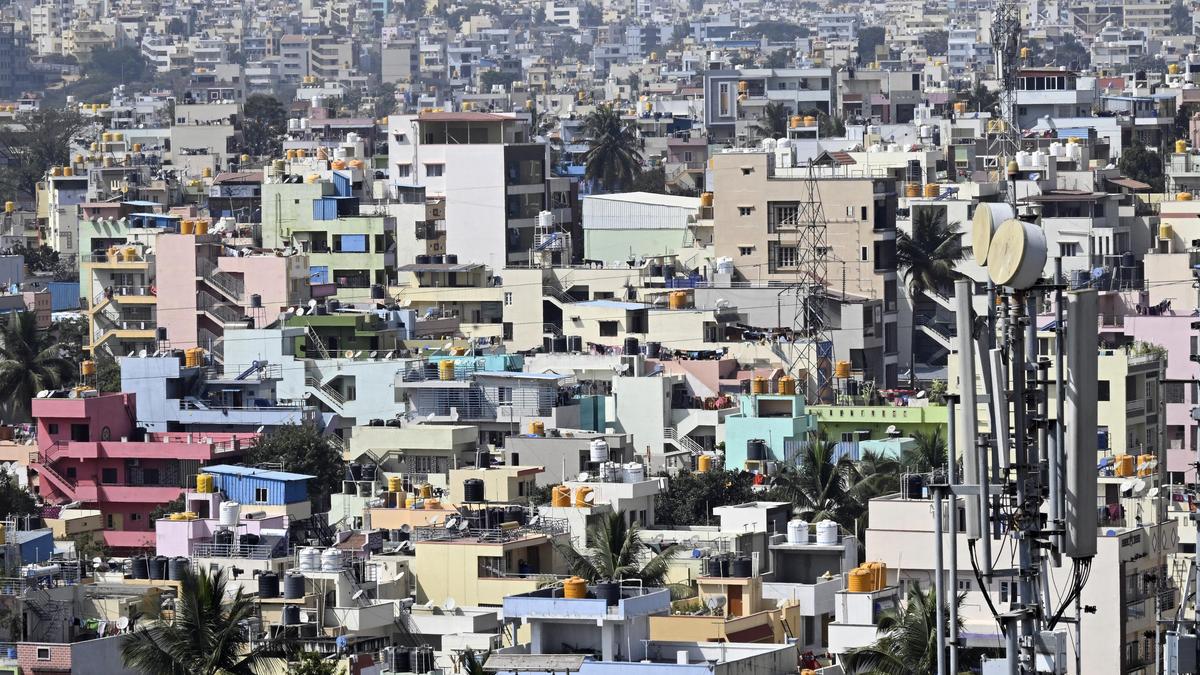
The Greater Bengaluru Authority has successfully collected 50.3% of its ₹6,700 crore property tax target for the current fiscal year. Despite this growth, officials are struggling to maintain consistent weekly collection targets, highlighting a gap in operational efficiency.
Bengaluru Property Tax Performance: A Mid-Year Review
Fiscal Progress Amidst Structural Shifts
For the fiscal year 2026–2027, the five corporations operating under the Greater Bengaluru Authority (GBA) have set an ambitious property tax revenue target of ₹6,700 crore. Data indicates that as of the end of August, the authorities have secured ₹3,372.48 crore, representing 50.3% of their annual objective. This milestone is statistically significant, as it shows a 5% increase compared to the ₹3,211 crore collected during the same timeframe in the previous year, suggesting that the newly formed civic bodies are making strides in tax mobilization.
The Challenge of Consistent Weekly Targets
Despite the positive year-on-year growth, the GBA faces a persistent operational hurdle: the inability to meet consistent weekly performance metrics. While the overall half-year figures look promising, the actual weekly pace remains volatile. The corporations are currently achieving only 40% to 60% of their designated weekly target of ₹103.99 crore. This shortfall indicates a potential mismatch between revenue collection strategies and the actual flow of tax payments from the city’s vast property base.
Understanding the Tax Base Complexity
Bengaluru's tax landscape is vast and inherently complex, encompassing 21,73,630 registered properties. This total includes a diverse mix of residential and non-residential units, each presenting unique challenges for tax enforcement and collection. The sheer scale of this database requires a highly sophisticated administrative approach to ensure that the GBA can bridge the gap between its current 50% achievement and the remaining half of the annual target by the end of the fiscal year.
Broader Implications for Urban Infrastructure
Property tax remains the primary internal revenue stream for civic bodies, serving as the financial backbone for infrastructure development, waste management, and essential urban services. The GBA's struggle to maintain a steady weekly collection rhythm may have downstream effects on the city's ability to execute capital-intensive projects. If the weekly pace does not stabilize, the GBA may be forced to rely on aggressive year-end collection drives, which often place undue pressure on both the administrative staff and the taxpayers.
Future Trends and Administrative Outlook
Looking forward, the GBA must refine its collection mechanisms to address the deficit between its weekly goals and actual receipts. As the city continues to expand, the integration of digital payment platforms and more robust enforcement policies for non-residential properties will be critical. The 5% growth observed thus far proves that the system is capable of improvement, but the current volatility in weekly performance serves as an early warning for the GBA to optimize its revenue management strategies before the fiscal year concludes.
Verification Required?