Intend to lay down pan-India guidelines: Supreme Court on illegal constructions
Source Entity
Ananthakrishnan G
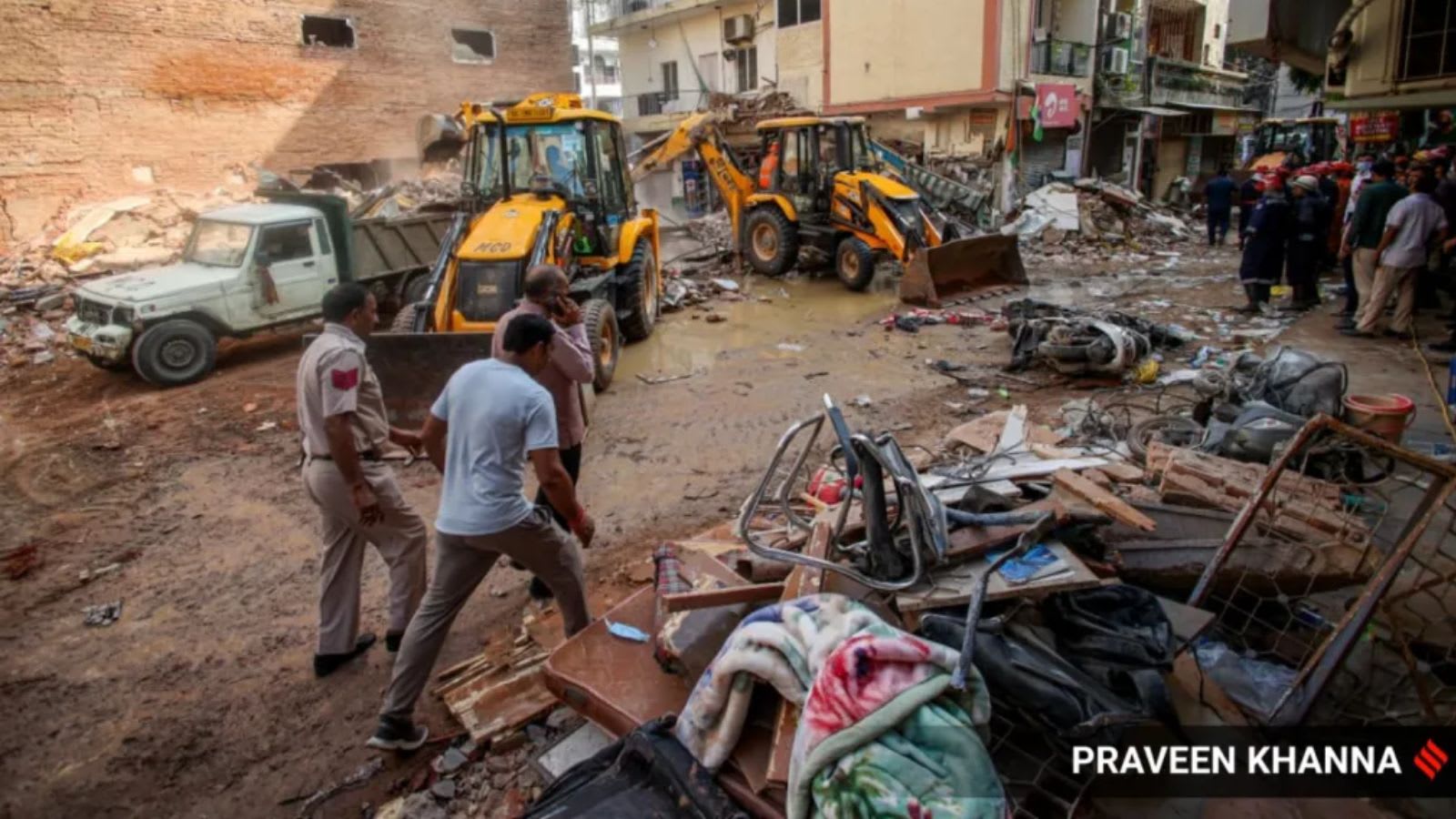
Following a deadly building collapse in Delhi, the Supreme Court is intervening to establish national safety guidelines for unauthorized constructions. Authorities are now mandating stricter licensing and audits for student PGs across the capital.
Judicial Intervention in Urban Safety
The recent tragedy in South Delhi’s Satya Niketan, where a building collapse claimed seven lives, has catalyzed a significant judicial response. The Supreme Court of India, led by Justices A. Amanullah and R. Mahadevan, has signaled its intent to take over matters related to unauthorized and unsafe constructions currently pending in the Delhi High Court. This move underscores the judiciary's growing concern over the systemic failure of urban planning enforcement in densely populated metropolitan areas.
The Crisis of Unsanctioned Infrastructure
Central to the disaster is the revelation that the collapsed structure lacked a sanctioned building plan. This is not an isolated incident but a symptom of a broader regulatory failure in Delhi’s real estate sector. The proliferation of 'paying guest' (PG) accommodations, often operating in residential zones without adherence to safety codes, creates a hazardous environment for students and young professionals. The involvement of brokers, who reportedly facilitate the rental of these unsafe floors, points to a shadow market that operates with little oversight from municipal authorities.
Moving Toward Pan-India Standards
By indicating its intent to frame pan-India guidelines, the Supreme Court is shifting the focus from localized municipal failures to a national regulatory framework. The court’s upcoming hearings, which will address the Satya Niketan incident specifically, are expected to mandate rigorous, time-bound safety audits. Such a directive would likely force state governments to implement stricter building codes and enforcement mechanisms, potentially ending the era of 'informal' housing that has long been a staple of Delhi’s student accommodation market.
The Role of Inspection and Accountability
An amicus curiae has been actively pushing for a systematic audit of student housing across Delhi. The progress of the court-appointed committee tasked with these inspections will be critical in determining the scale of the danger. With over 200 private hostels already marked as 'dangerous' in the aftermath of the collapse, the urgency of this audit cannot be overstated. The transition from reactive measures to proactive governance is essential to prevent future loss of life.
Future Trends in Urban Policy
Looking ahead, the intersection of judicial oversight and municipal policy will likely result in a new, stringent PG policy for Delhi. This will likely include mandatory licensing, fire safety certification, and strict adherence to structural integrity standards. The long-term impact of these guidelines will fundamentally alter the rental landscape, potentially leading to higher costs for students but significantly improving the baseline safety of their living conditions. The Supreme Court’s involvement acts as a necessary check on the systemic negligence that allowed such precarious living conditions to flourish unchecked.
Multiple Citing Sources