1 tonne rotten food seized from 60 Bengaluru star hotels, McDonald’s served notice
Source Entity
The Indian Express
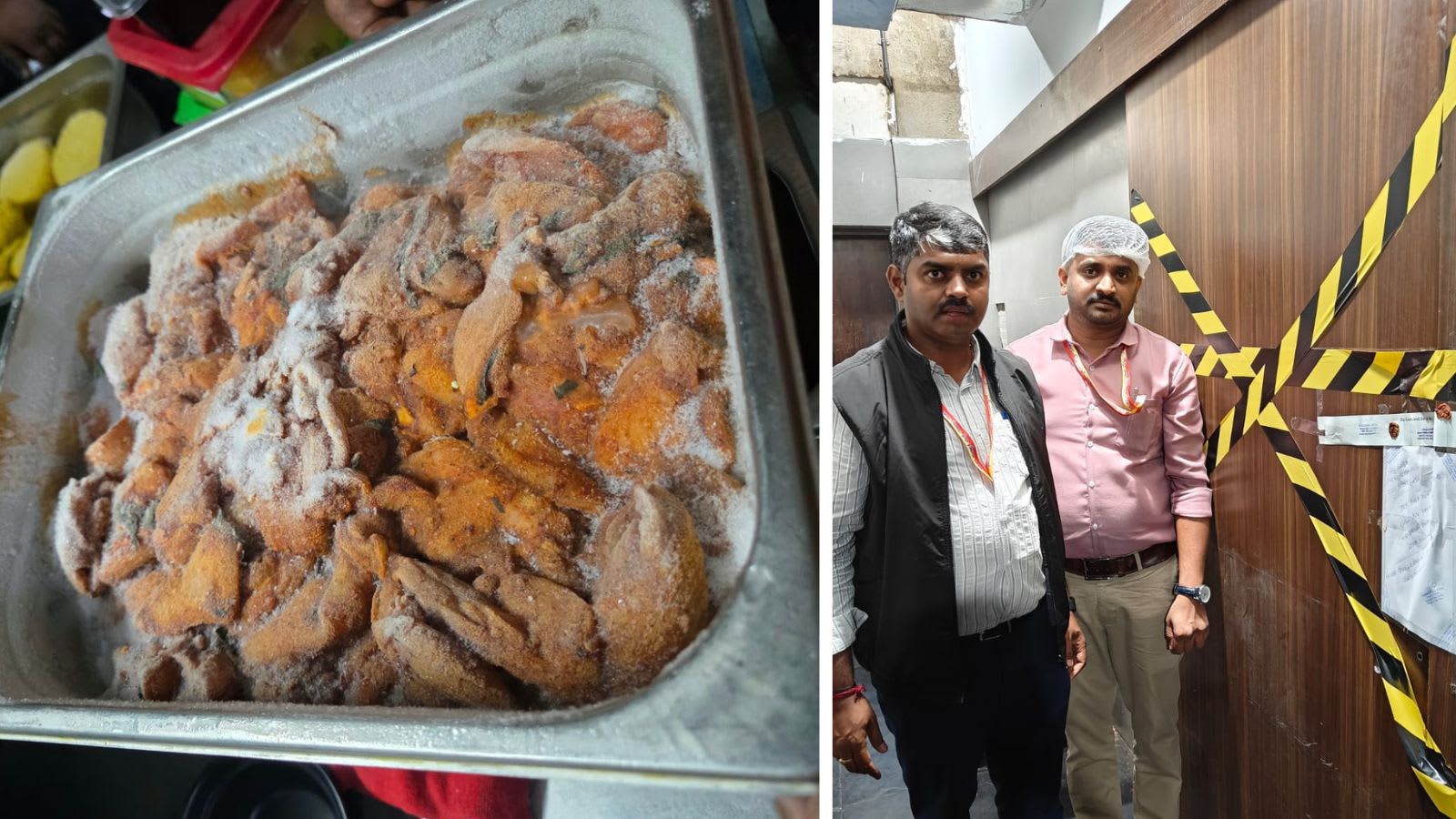
Karnataka food safety officials recently seized one tonne of expired and rotten food from 60 star-rated Bengaluru hotels, including major chains like McDonald's. A subsequent survey reveals that 94% of local diners have witnessed hygiene violations, sparking concerns about systemic failures in food safety enforcement.
A Crisis of Confidence: Bengaluru’s Food Safety Scandal
The recent crackdown by the Karnataka Food Safety and Drug Administration (KFSDA) has sent shockwaves through Bengaluru’s hospitality sector. Over a intensive three-day inspection drive concluding August 9, officials raided 60 three- and five-star hotels, resulting in the seizure of nearly one tonne of hazardous food items. The inventory of confiscated goods—ranging from 640kg of expired meat and fish to 276kg of rotting vegetables and expired dairy—paints a disturbing picture of kitchen management in establishments that consumers traditionally associate with premium hygiene and quality standards.
Systemic Failures in Luxury Hospitality
For years, the 'star' rating of a hotel has served as a proxy for safety and cleanliness in the minds of the public. However, these findings suggest a profound disconnect between branding and operational reality. By targeting luxury establishments, the KFSDA has dismantled the myth that high prices and air-conditioned dining rooms guarantee safety. The inclusion of major global chains, such as McDonald's, which received a formal notice following a compliance check, underscores that these issues are not isolated to independent restaurants but are reflective of systemic lapses in the food supply chain and internal quality control protocols.
The Consumer Perspective: A Pattern of Neglect
The public reaction to these raids has been one of validation rather than surprise. A recent survey conducted by LocalCircles, which garnered nearly 10,000 responses, found that 94% of diners in Bengaluru have personally witnessed hygiene or food safety violations in air-conditioned restaurants over the past year. This statistic indicates that the recent KFSDA findings are likely the tip of the iceberg, suggesting that residents have been navigating a landscape of pervasive non-compliance long before official enforcement actions were publicized.
Broader Implications for Food Safety Enforcement
These events highlight the immense difficulty of regulating India's vast and fragmented food service industry. With millions of food businesses operating across the nation, enforcement agencies face a Herculean task. The current situation in Bengaluru and Mumbai serves as a critical case study for why reactive raids are insufficient. The KFSDA’s decision to collect 77 samples for laboratory analysis is a necessary step, but industry experts argue that the real solution lies in consistent, proactive monitoring rather than sporadic enforcement drives.
Looking Ahead: The Path to Reform
Moving forward, the primary challenge for regulatory bodies will be maintaining momentum. The seizure of one tonne of rotten food is a significant blow to the status quo, but lasting change requires a paradigm shift in how kitchens are managed. Future trends likely point toward stricter mandatory reporting, more frequent unannounced inspections, and a greater role for consumer transparency. As public trust has been significantly shaken, hotels must now prioritize radical transparency in their sourcing and storage practices to win back the confidence of the dining public.
Conclusion
The exposure of these hygiene violations serves as a wake-up call for the hospitality industry. As the KFSDA continues its rigorous oversight, the focus must remain on long-term accountability. Consumers are no longer willing to accept the status quo, and the demand for higher standards in the food supply chain has never been more urgent. The intersection of regulatory enforcement and public awareness will be the defining factor in whether Bengaluru’s dining scene can restore its reputation for safety and quality.
Multiple Citing Sources