There is 'a lot more pushback' on data center construction, Berkshire CEO Greg Abel tells CNBC
Source Entity
US Top News and Analysis
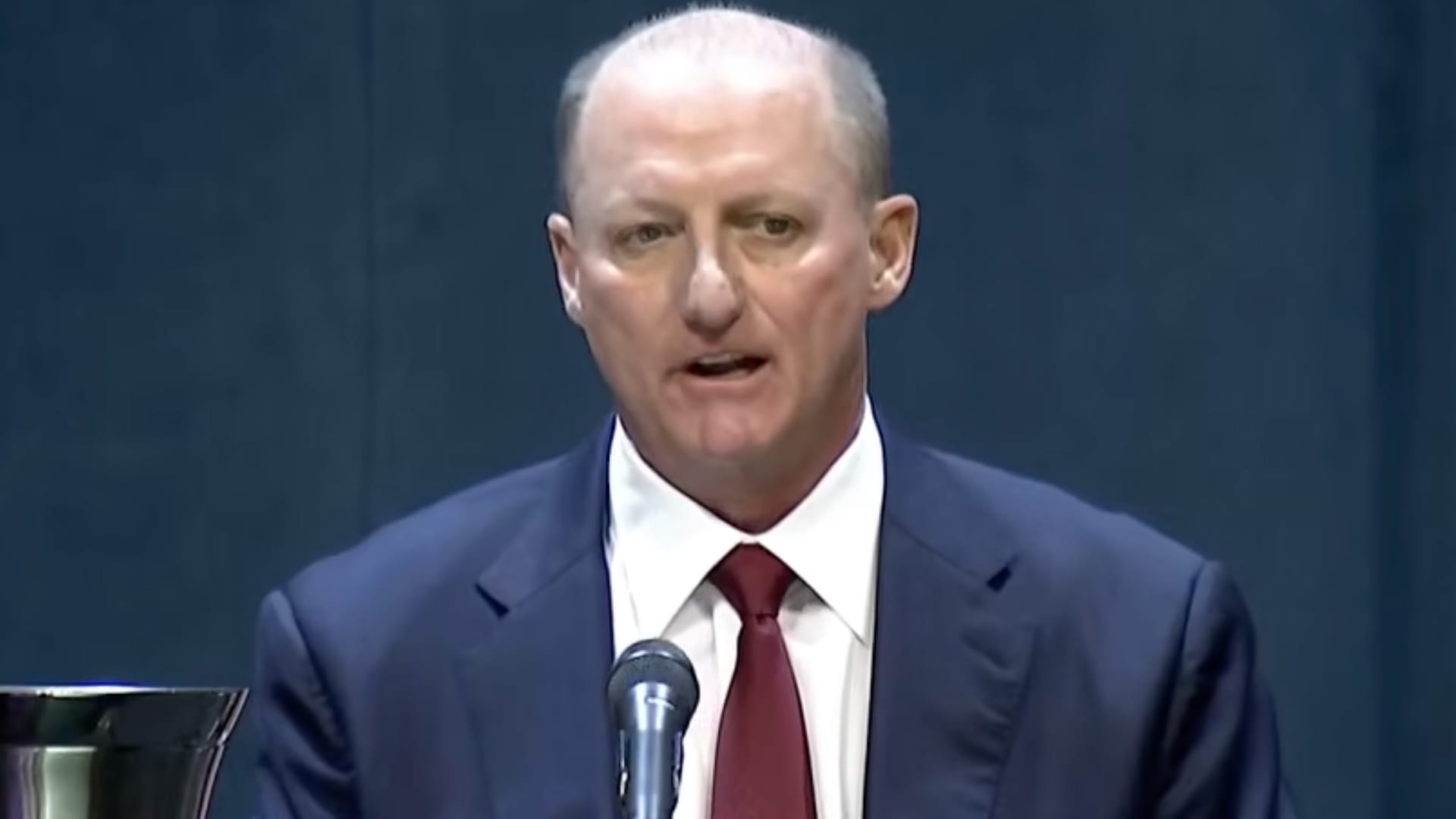
Berkshire Hathaway CEO Greg Abel reports a growing nationwide trend of community resistance against data center construction. The company remains interested in powering these facilities only if costs for existing customers are protected.
The Growing Friction in Data Center Expansion
Recent statements from Berkshire Hathaway CEO Greg Abel have shed light on a burgeoning national challenge: the increasing community resistance to the rapid construction of data centers. As the digital economy accelerates, the physical footprint of the infrastructure supporting it is facing intense scrutiny from local populations. Abel’s observations, delivered during a CNBC interview, highlight that this is not an isolated phenomenon but a widespread trend occurring across the United States.
The Intersection of Energy and Infrastructure
Berkshire Hathaway’s interest in the data center boom is primarily tethered to the massive energy demands these facilities require. As "hyperscalers"—the massive cloud providers driving global computing—seek to build out their physical presence, they require reliable, high-capacity electricity. Abel notes that Berkshire is open to partnering with these entities, but with a critical caveat: any involvement must be economically neutral for their existing customer base. This underscores the delicate balance utility providers must strike between supporting technological growth and maintaining affordable, stable energy rates for the public.
Economic Implications for Hyperscalers
For major tech companies, the pushback represents a significant operational hurdle. The necessity of proximity to power grids often puts these data centers in direct conflict with local zoning boards and residential interests. If these companies cannot demonstrate that their presence will not strain local infrastructure or drive up utility costs, they face the risk of costly delays and potential litigation. Abel’s insistence that costs be "contained" reflects a broader Wall Street sentiment that the current pace of unchecked construction may be hitting a regulatory and social ceiling.
The Rise of Organized Political Resistance
Beyond simple community complaints, there is a mounting wave of organized political resistance targeting these massive computing sites. Analysts have noted that local governments are becoming more sophisticated in their opposition, often questioning the long-term utility of these facilities, which are known for high energy consumption but relatively low permanent job creation. This shift in local political sentiment could drastically alter the site-selection strategies for major tech giants in the coming years.
Looking Toward a Sustainable Future
As this trend continues, the future of data center development will likely depend on the ability of developers to integrate into communities more harmoniously. This may involve increased investments in localized renewable energy projects, grid improvements that benefit the broader community rather than just the data center, and clearer communication regarding economic impact. The era of "build at all costs" appears to be evolving into a more complex, negotiated process where social license to operate is just as vital as electrical capacity.
Conclusion
In summary, the comments from Greg Abel serve as a bellwether for the infrastructure sector. The friction between the digital transformation of the economy and the physical realities of local power grids is creating a bottleneck that investors cannot afford to ignore. Moving forward, the success of the data center industry will likely be defined by its ability to navigate these community concerns while proving that the benefits of hyperscale computing can be shared equitably with the public.