As Warren Buffett’s reign ends, fans should sell Berkshire — and buy these stocks instead
Source Entity
Brett Arends
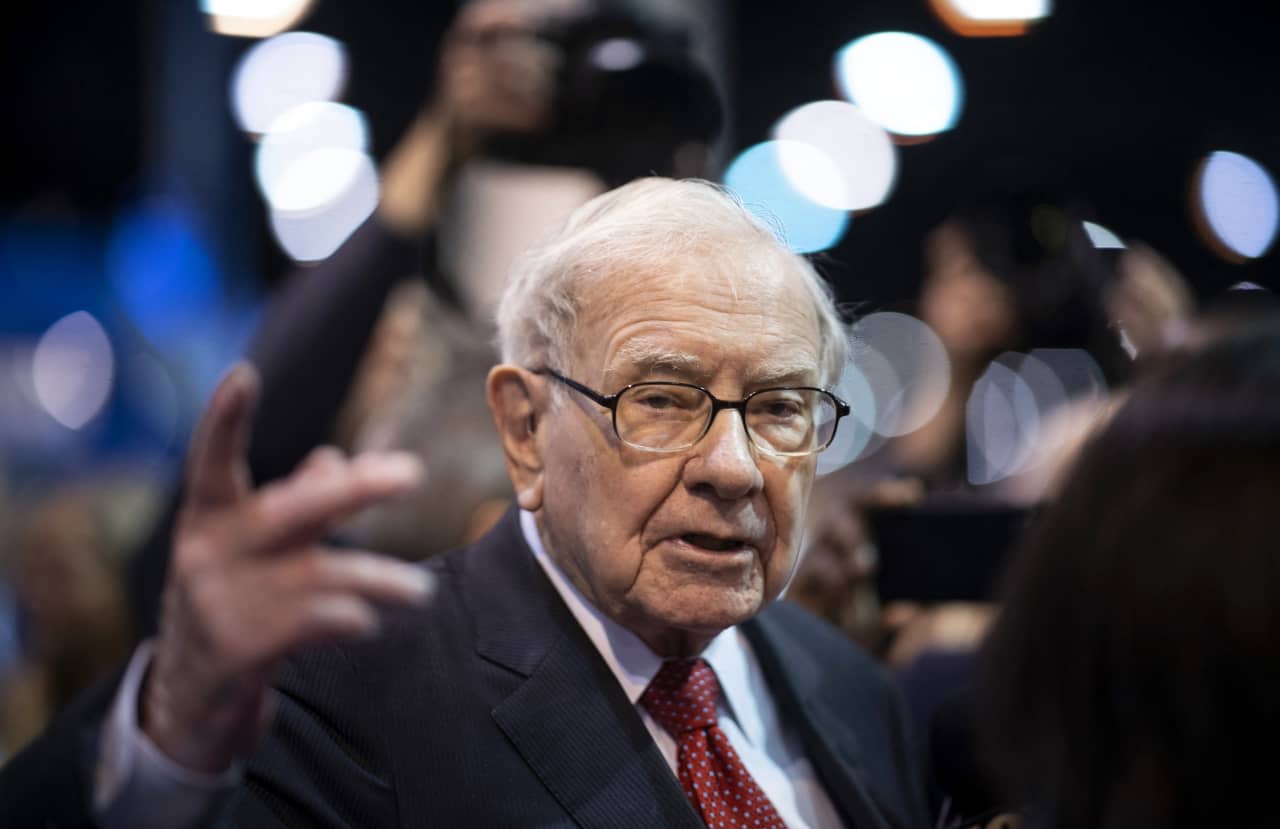
Recent analysis indicates that Berkshire Hathaway has failed to outperform the S&P 500 over the last three decades. This performance gap prompts a reevaluation of the conglomerate's investment strategy as Warren Buffett's tenure nears its eventual conclusion.
The End of an Era: Assessing Berkshire Hathaway's Performance
For decades, Warren Buffett and Berkshire Hathaway have been synonymous with the pinnacle of investment success. However, recent scrutiny into the conglomerate's long-term returns reveals a sobering reality: the company has failed to outperform the S&P 500 index over the past 30 years. This performance gap challenges the long-held assumption that Berkshire remains the ultimate vehicle for market-beating growth.
The S&P 500 Benchmark Challenge
The fundamental premise of an investment firm is to provide alpha—returns exceeding the market average. When a powerhouse like Berkshire Hathaway lags behind the S&P 500 for three decades, it necessitates a shift in investor perspective. This trend suggests that the sheer size of the company, now a massive conglomerate, may have made it increasingly difficult to achieve the agile, high-growth returns that defined Buffett’s early career.
Structural Constraints and Market Evolution
As Berkshire has grown into a multi-industry titan, its operational structure has shifted from aggressive value hunting to capital preservation and massive cash positioning. The market environment has evolved significantly since the 1990s, with tech-heavy indices like the S&P 500 benefiting from rapid digitization and innovation. Berkshire’s traditional model, rooted in insurance and industrial holdings, has struggled to keep pace with these modern market drivers.
Succession Planning and Strategic Uncertainty
The looming end of Warren Buffett’s reign introduces a layer of existential uncertainty for shareholders. Buffett has been the primary architect of the firm's capital allocation strategy, and his departure raises questions about whether the company can maintain its current trajectory. Investors are now forced to weigh the legacy of the 'Oracle of Omaha' against the practical reality of stagnant relative performance.
The Shift Toward Alternative Assets
Given the data showing a lack of outperformance against the S&P 500, many analysts are suggesting that investors look toward alternative stocks or broader market index funds. The reliance on a single conglomerate, regardless of its pedigree, carries concentration risk that may not be justified by the historical returns provided over the last generation.
Conclusion: A New Investment Paradigm
Ultimately, the data suggests that the 'Buffett premium' may no longer be a reliable guarantee for investors. As the market landscape continues to shift, the focus is moving from legacy holding companies toward more dynamic, market-tracking instruments. Shareholders must now decide if the stability of Berkshire is worth the opportunity cost of trailing the S&P 500.
Verification Required?