Bessent pushes back on Druckenmiller critique of bond intervention
Source Entity
US Top News and Analysis
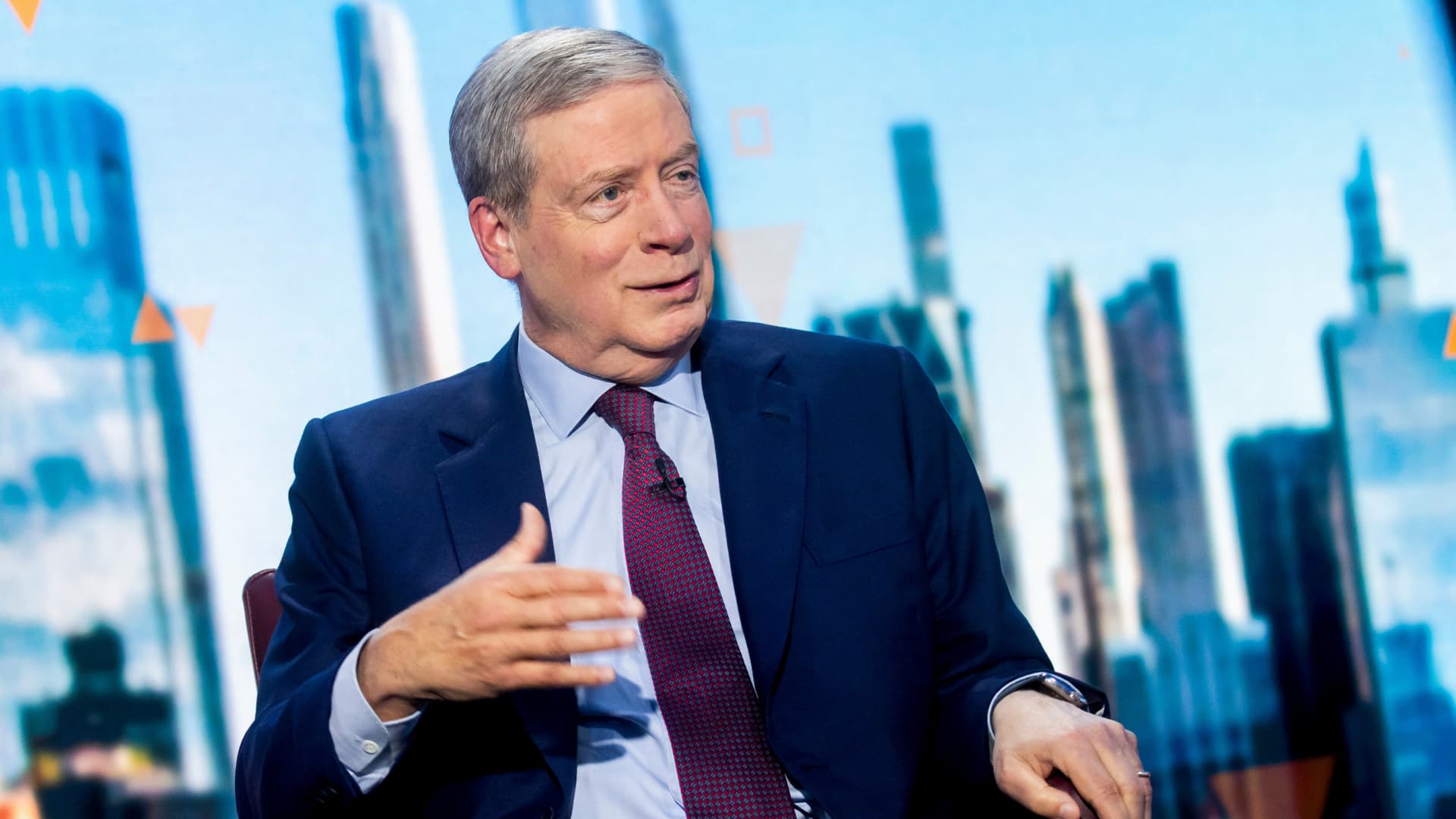
Treasury Secretary Scott Bessent defended the Trump administration's bond market interventions following criticism from investor Stanley Druckenmiller. Bessent argued that U.S. bond performance remains superior to global markets despite broader economic pressures.
The Clash of Economic Philosophies: Bessent vs. Druckenmiller
Treasury Secretary Scott Bessent has taken a firm stance in defense of the Trump administration's recent interventions in the U.S. bond market. This public pushback comes directly in response to a critical op-ed penned by billionaire investor Stanley Druckenmiller, a figure who notably served as a mentor to Bessent. The tension highlights a burgeoning debate over the efficacy of government policy in managing market volatility and the long-term implications of trade-related fiscal pressures.
The Performance Metric Debate
At the G20 finance ministers meeting in Asheville, North Carolina, Bessent addressed the criticism head-on during an interview with CNBC. He emphasized that the U.S. bond market has demonstrated resilience, claiming it remains the best-performing market since the current administration took office. By focusing on this comparative performance, Bessent seeks to normalize the administration's actions as a stabilizing force rather than an act of market manipulation.
Addressing the Yield Discrepancy
One of the primary points of contention involves the trajectory of bond yields. While global bond yields have trended upward, Bessent argued that U.S. yields have remained relatively flat since the administration's inception. This assertion serves as a rebuttal to concerns that fiscal policies, such as the implementation of new tariffs, might be triggering inflation and destabilizing bond prices. Bessent’s defense suggests a strategic attempt to decouple administration policy from broader global inflationary trends.
The Mentorship Dynamic
Despite the public nature of the disagreement, Bessent maintained a composed outlook, noting that he had spoken with Druckenmiller directly following the publication of the critique. He described their conversation as "fine," suggesting that while their professional views on market intervention diverge, the personal relationship remains intact. This interaction provides a rare glimpse into the behind-the-scenes discourse between high-level government officials and the private financial sector.
Broader Implications for Fiscal Policy
The situation underscores the complex environment facing the Treasury Department. With tariffs and persistent inflation exerting pressure on the economy, the administration is under increasing scrutiny regarding its management of the national debt and interest rates. Bessent’s defense is not merely a reaction to a mentor's critique; it is a broader signal to investors and international partners that the administration remains committed to its current economic strategy despite market skeptics.
Future Trends and Market Stability
Looking ahead, the market will likely remain hyper-focused on the intersection of tariff policy and bond market performance. If yields begin to climb significantly despite current defenses, the administration may face increased pressure to reconsider its fiscal levers. The ongoing dialogue between policymakers like Bessent and influential voices like Druckenmiller will continue to be a bellwether for investor confidence in the months to come.