Stock Market LIVE Updates, Sensex Today: Sensex Drops 150 Points Amid US-Iran Tensions
Source Entity
NDTV News Search Records Found 1000
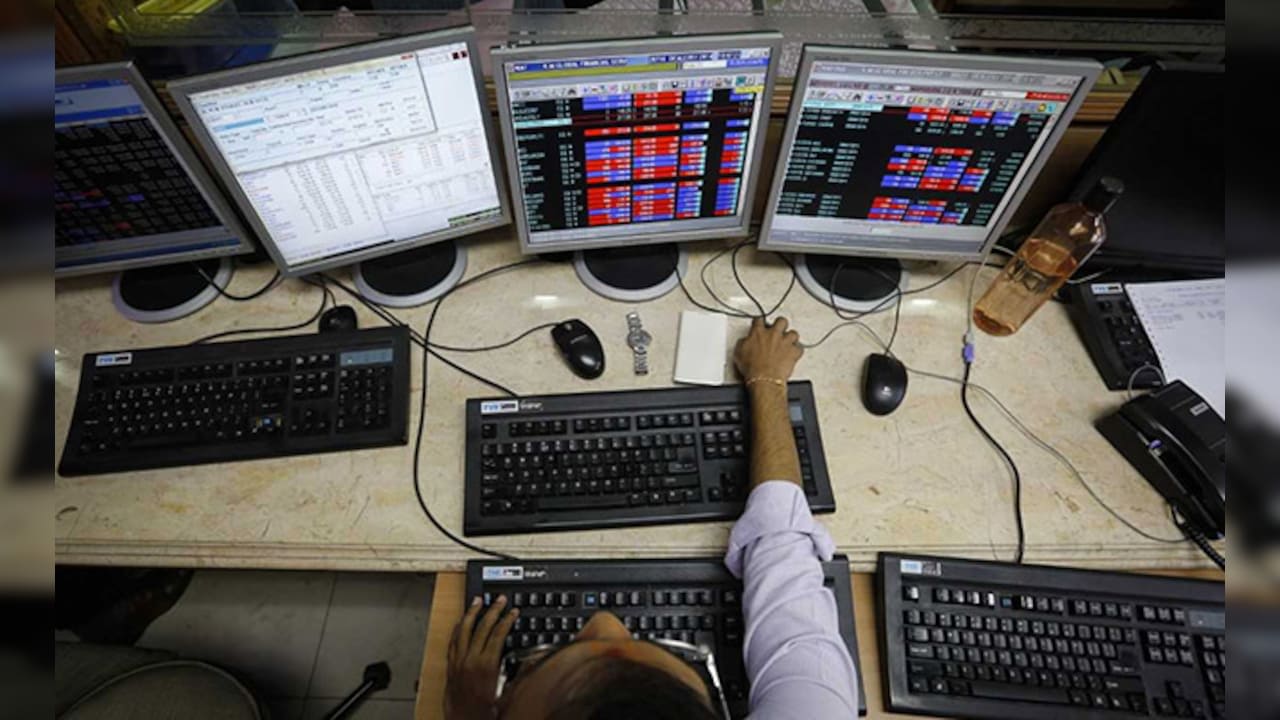
Indian markets Sensex and Nifty fell in early trade as rising global oil prices and geopolitical tensions between the U.S. and Iran dampened investor sentiment. Hawkish expectations regarding U.S. Federal Reserve policy further pressured emerging market risk appetite.
Market Sentiment Dips Amid Geopolitical and Macroeconomic Pressures
On Tuesday, September 1, 2026, the Indian stock markets experienced a cautious start as both the BSE Sensex and NSE Nifty indices drifted lower. The 30-share BSE Sensex recorded a decline of 121.48 points, settling at 76,835.79, while the 50-share NSE Nifty dipped 52.6 points to 24,027.80. This downward trend reflects a broader climate of uncertainty driven by a convergence of geopolitical friction and challenging global macroeconomic conditions.
The Impact of U.S.-Iran Tensions on Energy Costs
A primary catalyst for the current market volatility is the resurgence of tensions between the United States and Iran. Geopolitical instability in the Middle East historically creates immediate ripple effects in global energy markets. As Brent crude prices rose by 0.76% to reach $91.22 per barrel, investors have reacted with caution. Higher oil prices are particularly detrimental to net-importing economies like India, as they threaten to widen the trade deficit and stoke inflationary pressures, thereby limiting the headroom for corporate earnings growth.
Monetary Policy and Federal Reserve Influence
Beyond the immediate geopolitical concerns, market sentiment is being heavily influenced by the U.S. Federal Reserve’s monetary policy trajectory. Growing expectations that the Fed might maintain a 'higher for longer' interest rate regime have acted as a significant headwind for emerging markets. When U.S. rates remain elevated, the relative attractiveness of emerging market equities often wanes, leading to foreign institutional outflows and tightened liquidity, which is currently being felt across the Indian indices.
Sectoral Performance and Market Laggards
The market breadth in early trading highlighted a divergence in performance across various sectors. Major laggards weighing down the Sensex included financial heavyweights such as Bajaj Finserv, Bajaj Finance, State Bank of India, and Axis Bank, alongside Titan and InterGlobe Aviation. The sell-off in these sectors suggests that investors are re-evaluating risk in high-beta stocks and financial services, which are often the first to feel the impact of interest rate concerns.
Resilience and Future Outlook
Despite the broader market decline, there were notable pockets of resilience. Companies such as ITC, HCL Tech, Bharti Airtel, and Infosys emerged as winners during the session, indicating that investors are selectively rotating capital into defensive stocks or companies with strong fundamental cash flows. As the market navigates these headwinds, future trends will likely remain sensitive to any de-escalation in U.S.-Iran relations and future signals from the U.S. Federal Reserve regarding the timing of potential rate adjustments. Investors should remain prepared for continued volatility as the interplay between energy prices and global central bank policy continues to evolve.
Verification Required?