Real Trump Coins denies launching GOLD token, blames ‘bad actors’
Source Entity
Cointelegraph by Helen Partz
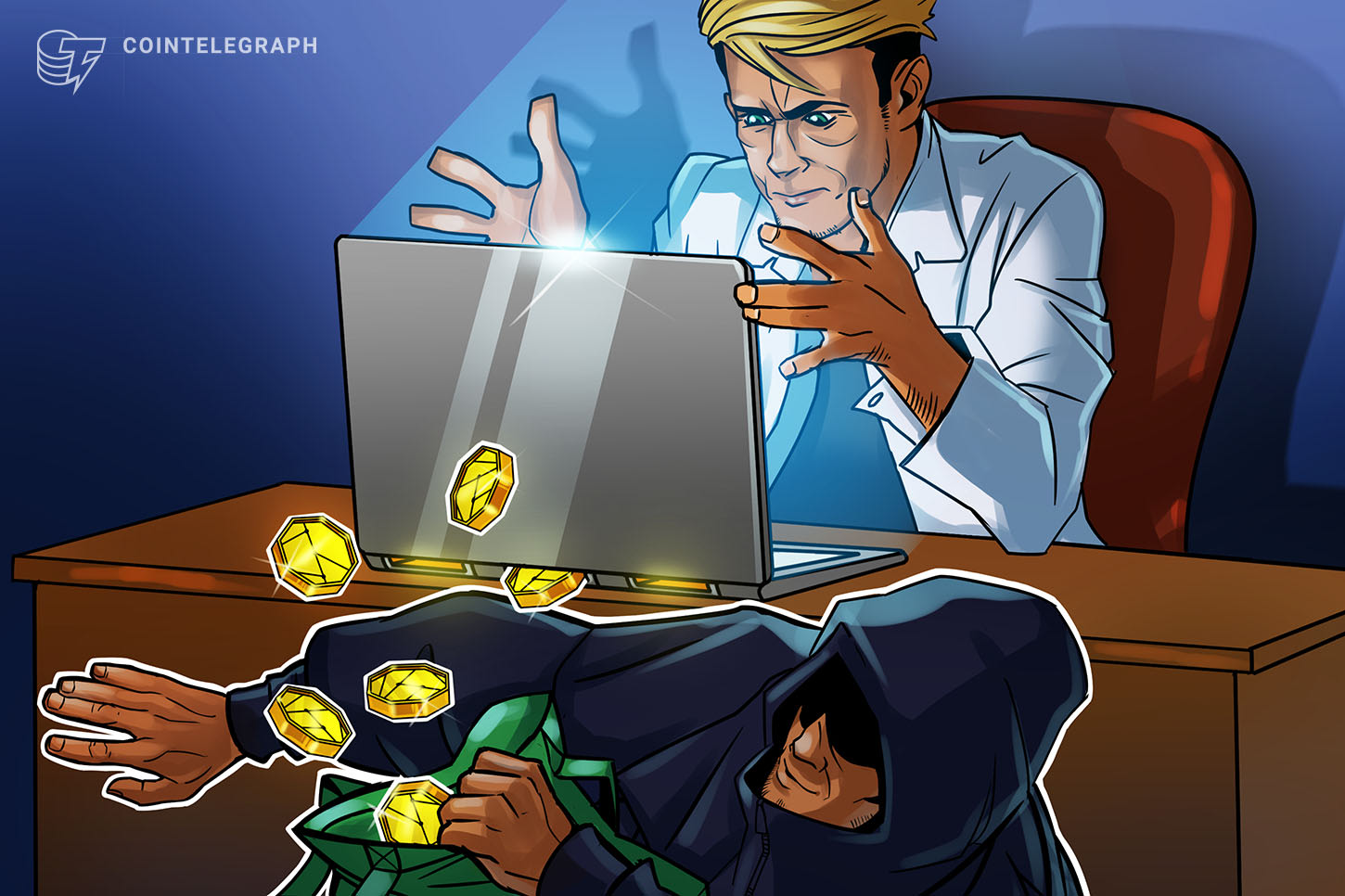
Real Trump Coins has denied any involvement with the 'GOLD' Solana-based token, attributing its promotion to malicious third-party actors. The project clarified it has not authorized any digital tokens, following the deletion of promotional posts from its official social media channels.
The GOLD Token Controversy: A Security Breach or Mismanagement?
The recent incident involving the 'GOLD' token highlights a significant security and reputational crisis for the Real Trump Coins brand. After the official X account promoted a Solana-based digital asset and directed followers to a specific domain, the sudden reversal and subsequent denial of authorization suggest a serious breach of operational control. By labeling the promotion as the work of "third-party bad actors," the organization is attempting to distance itself from the rapid collapse of the asset, which had previously been advertised on their own web infrastructure.
Analyzing the Security Implications
This event underscores the persistent vulnerabilities inherent in projects associated with high-profile names. When official channels are compromised—or appear to be managed by parties with conflicting agendas—the trust of the user base is immediately eroded. The fact that the GOLD token was briefly hosted on RealTrumpCoins.com before the account redirected to a new domain, TrumpCoins.com, raises critical questions about the security protocols governing these platforms and whether external entities gained unauthorized access to their digital footprint.
The Mechanics of Market Volatility
In the volatile world of meme coins and celebrity-linked digital assets, the concentration of token supply is often a red flag for potential "rug pulls." The sudden appearance and subsequent collapse of the GOLD token mirror patterns frequently seen in decentralized finance (DeFi) scams. By failing to secure their primary communication channels, the organizers allowed a narrative to form that they were behind the token, thereby facilitating a scenario where unsuspecting investors could be misled by the perceived legitimacy of an official endorsement.
Institutional and Regulatory Context
This incident serves as a cautionary tale for the broader cryptocurrency market. As regulatory bodies continue to scrutinize the intersection of celebrity endorsements and digital assets, unauthorized promotions pose a significant legal risk. Even if Real Trump Coins is indeed a victim of bad actors, the lack of immediate oversight and the delay in clarifying their position has already caused potential financial harm to those who interacted with the token during its brief, promoted window.
Future Trends and Mitigation
Moving forward, projects linked to high-visibility brands must implement rigorous multi-factor authentication and strict domain management policies to prevent unauthorized actors from hijacking their brand equity. The shift from one domain to another in the wake of the scandal is a reactive measure that does little to address the underlying lack of transparency. For the crypto industry at large, this incident reinforces the necessity of skepticism when encountering new tokens, even when they appear to originate from seemingly verified sources.
Conclusion
While Real Trump Coins has officially disavowed the GOLD token, the damage to their brand reputation is evident. The incident serves as a stark reminder that in the digital age, a brand is only as secure as its weakest point of contact. Investors must remain hyper-vigilant, as the line between official corporate activity and malicious exploitation continues to blur in the fast-paced, often unregulated environment of Solana-based token launches.