Magna increases bet on battery swapping in India with $35M for Yuma
Source Entity
Jagmeet Singh
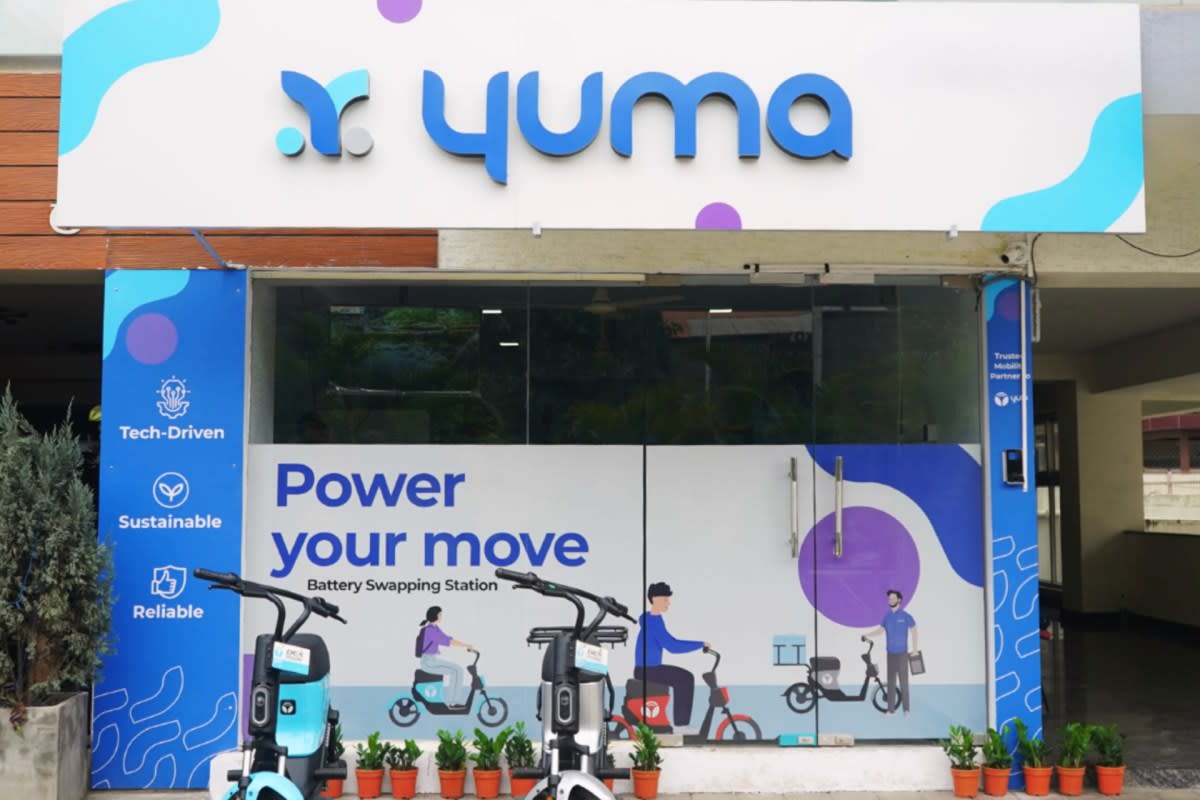
Magna International has increased its investment in Bengaluru-based Yuma Energy by $35 million to bolster battery-swapping infrastructure. This move reflects a strategic focus on India's unique electric two- and three-wheeler market, where high-volume delivery demand makes swapping a viable alternative to traditional charging.
Magna Deepens Commitment to India’s EV Ecosystem
Canadian automotive giant Magna International has signaled a significant vote of confidence in the Indian electric vehicle (EV) sector by increasing its investment in Yuma Energy. With an additional $35 million infusion, Magna has further solidified its majority stake in the Bengaluru-based battery-swapping firm, bringing its total investment to $87 million. This capital injection is a strategic pivot, aiming to capitalize on the unique operational requirements of India’s massive two- and three-wheeler market.
Why India Represents a Global Outlier
While the concept of battery swapping has faced substantial adoption hurdles in Western markets—often due to standardized battery technology challenges and consumer preferences for home charging—India presents a different economic landscape. The country’s dense urban environments and the rapid expansion of the gig-based delivery economy necessitate minimal downtime for vehicles. In this context, battery swapping acts as a crucial enabler, allowing commercial riders to maintain near-continuous operation without waiting for long charging cycles.
The Operational Scale of Yuma Energy
Originating as a spin-off from the Indian mobility startup Yulu in early 2023, Yuma Energy has rapidly matured into a critical infrastructure player. The company has already facilitated over 60 million battery swaps, a testament to the high utilization rates of its network. Currently, Yuma maintains a footprint of approximately 100,000 batteries deployed, serving as the backbone for the electrification of last-mile delivery services across several Indian cities.
Strategic Implications for Magna
For an established auto parts supplier like Magna, this investment represents more than just a financial stake; it is a foray into the 'Energy-as-a-Service' model. By controlling the supply and distribution of batteries, Magna is positioning itself at the center of the EV value chain. As the joint venture evolves, this increased equity suggests that Magna intends to exert greater influence over the technological standards and expansion strategies of Yuma, potentially using this partnership as a blueprint for other emerging markets.
Future Trends and Market Sustainability
Looking ahead, the success of this model will likely depend on the continued integration of Yuma’s network with major e-commerce and logistics platforms. As India pushes toward ambitious electrification targets for its commercial fleet, the demand for reliable, accessible, and fast charging solutions will only intensify. If Yuma can maintain its growth trajectory while managing the complexities of battery lifecycle management, it may set the standard for how global auto suppliers navigate the localized needs of the Indian EV transition.