Movies feel different on the right screen, and these 5 TVs are made to bring that magic home
Source Entity
Latest News: Todays Latest News Headlines from India & World | Hindustan Times | Hindustan Times
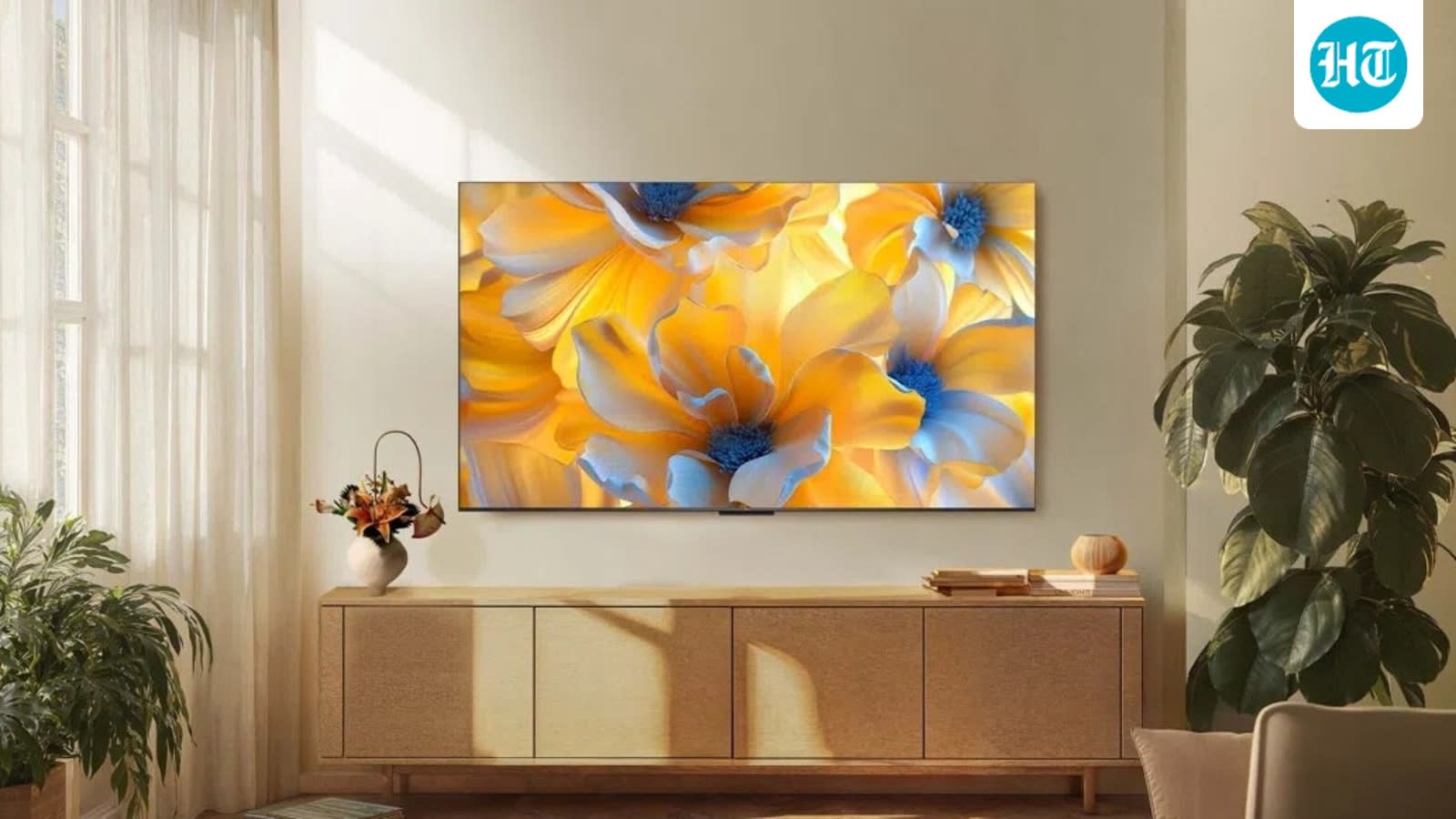
Selecting the right television for a home cinema experience requires balancing panel technology, color accuracy, and audio quality. This analysis explores how specific display features like HDR and Filmmaker Mode transform home viewing.
The Evolution of the Home Cinema Experience
In the modern era, the line between a traditional movie theater and a home viewing setup has blurred significantly. Consumers are no longer satisfied with standard displays; they are seeking hardware that faithfully reproduces the director's intent. As highlighted in recent industry trends, the choice of a television is no longer just about size, but about the sophisticated synergy between panel technology, contrast ratios, and color accuracy.
The Importance of Panel Technology
The foundation of a high-quality home theater lies in the display panel. Technologies such as QLED, QD-Mini LED, and OLED each offer distinct advantages depending on the viewing environment. OLED remains the gold standard for black levels and infinite contrast, which are essential for dark-room cinematic viewing. Conversely, QD-Mini LED technology bridges the gap by providing exceptional brightness and vibrant color reproduction, making it ideal for rooms with higher ambient light levels. Choosing the right panel is the most critical decision a consumer makes to ensure the visual fidelity of their film collection.
Beyond Resolution: HDR and Filmmaker Mode
While resolution often dominates marketing materials, HDR (High Dynamic Range) performance is arguably more important for the cinematic experience. HDR allows for a wider range of brightness and color, bringing out details in both the shadows and highlights that would otherwise be lost. Furthermore, features like Filmmaker Mode are essential for purists. By disabling artificial motion smoothing and aggressive sharpening, this mode allows the TV to display content at the frame rate and aspect ratio intended by the filmmaker, preserving the artistic integrity of the work.
The Role of Integrated Audio
An immersive movie experience is incomplete without high-quality sound. While dedicated soundbars and surround sound systems remain the preferred choice for enthusiasts, modern televisions are increasingly integrating advanced audio hardware. TVs that prioritize audio output can provide a surprisingly robust experience without the need for additional clutter. Effective sound processing and speaker placement within the chassis are becoming key differentiators for those seeking a streamlined, all-in-one home theater solution.
Strategic Selection for the Future
When investing in a new television, consumers must weigh their specific room dynamics against the technical specifications of the hardware. Factors such as local dimming, which controls the light intensity across different zones of the screen, are vital for reducing light bleed and enhancing depth. As technology continues to advance, the integration of smart features ensures that these displays remain versatile, serving as the central hub for both streaming services and physical media players. By focusing on these core technical pillars, viewers can curate a home environment that truly captures the magic of the big screen.
Verification Required?