Trump says oil supermajors are making too much money. What will they do with it?
Source Entity
US Top News and Analysis
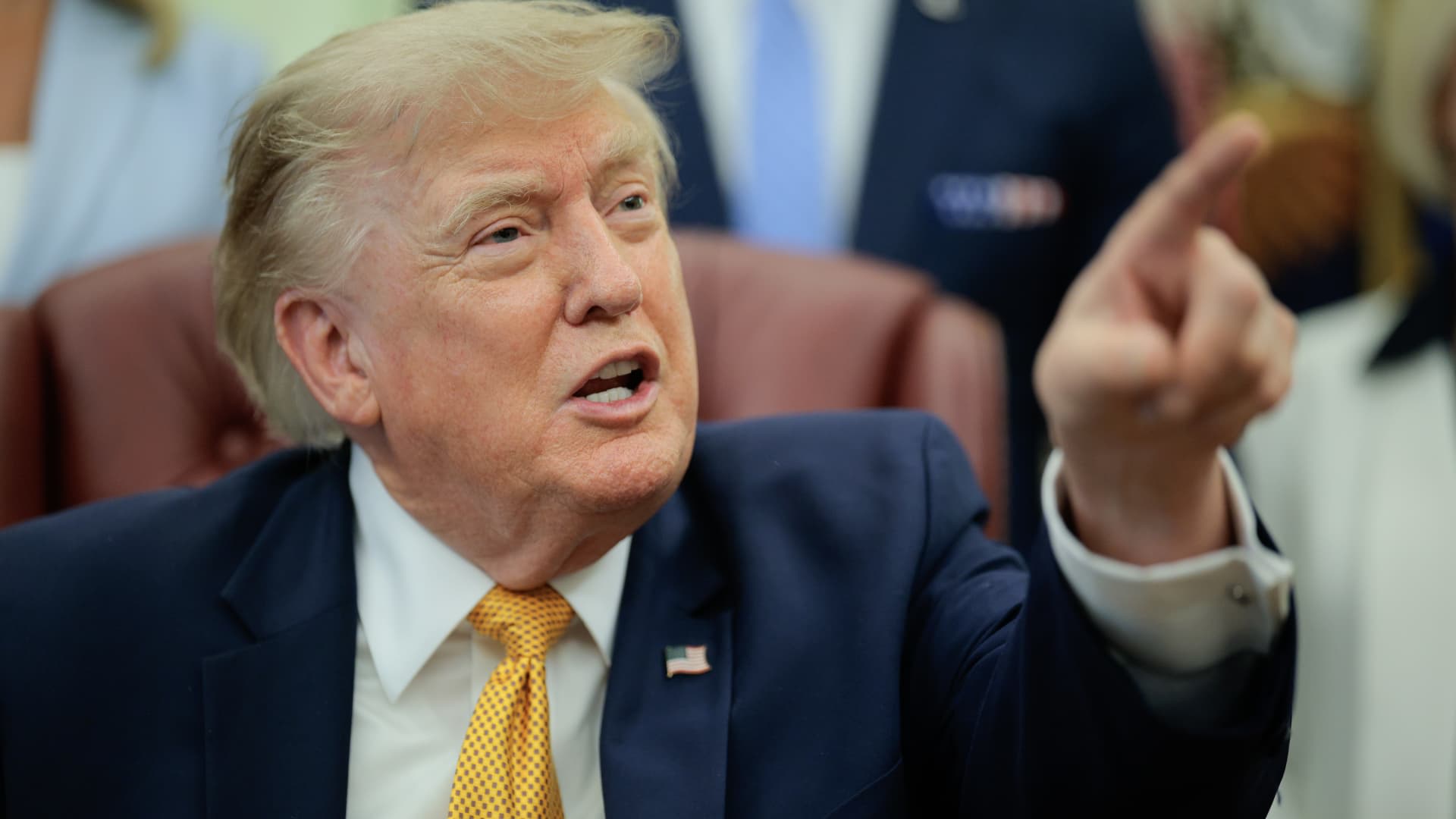
Big Oil supermajors generated $48 billion in second-quarter profits amid geopolitical tensions. This financial windfall has sparked political scrutiny from figures like Donald Trump regarding industry profit margins.
The Profit Paradox: Big Oil’s Record Windfall
The global energy landscape is currently defined by a massive financial surge, as the world’s five energy supermajors—ExxonMobil, Chevron, BP, Shell, and TotalEnergies—reported a collective profit of $48 billion for the second quarter. This windfall, driven by elevated fossil fuel prices tied directly to heightened hostilities between the United States and Iran, highlights the industry's sensitivity to geopolitical volatility. As global markets react to these supply chain uncertainties, the sheer scale of these earnings has reignited intense debate regarding the role of traditional energy giants in a modern, inflation-sensitive economy.
Political Pressure and Public Scrutiny
Donald Trump has recently signaled his disapproval of these record-breaking figures, explicitly accusing industry leaders like ExxonMobil and Chevron of generating “too much money.” This criticism underscores a growing political backlash that transcends traditional party lines, as leaders grapple with the optics of corporate wealth accumulation while consumers face the downstream effects of higher energy costs. The scrutiny suggests that the energy sector may face increasing pressure to justify its profit margins in the face of potential legislative or regulatory intervention.
The Capital Allocation Dilemma
With $48 billion in quarterly profits, these supermajors face a critical decision-making juncture: how to deploy this massive capital inflow. The industry is currently balancing three competing priorities: aggressive shareholder returns through dividends and buybacks, the strengthening of corporate balance sheets to buffer against future economic downturns, and long-term investment in energy transition technologies. How these companies choose to spend this cash will likely determine their long-term viability and their ability to navigate shifting public sentiment.
Environmental and Economic Implications
Beyond the immediate financial figures, the environmental implications of these profits remain a significant point of contention. As these companies continue to capitalize on fossil fuel production, they face mounting pressure from environmental advocates to pivot toward sustainable energy solutions. The current profit model, while lucrative in the short term, places the supermajors in a defensive position where they must manage the paradox of funding the transition to green energy while remaining tethered to the very assets that are currently driving their record-breaking financial success.
Future Outlook and Market Trends
Looking ahead, the trajectory of these companies will likely be influenced by the ongoing geopolitical tensions in the Middle East. If hostilities persist, the upward pressure on oil prices will likely continue, further inflating the earnings of these five supermajors. However, the combination of political rhetoric and the urgent need for sustainable investment suggests that the status quo is unsustainable. Investors and regulators will be watching closely to see if this windfall represents a final peak for traditional oil profits or a bridge to a broader corporate transformation.