‘Bigg Boss approached Shah Rukh Khan, Karan Johar to participate,’ claims show’s former VP
Source Entity
The Indian Express
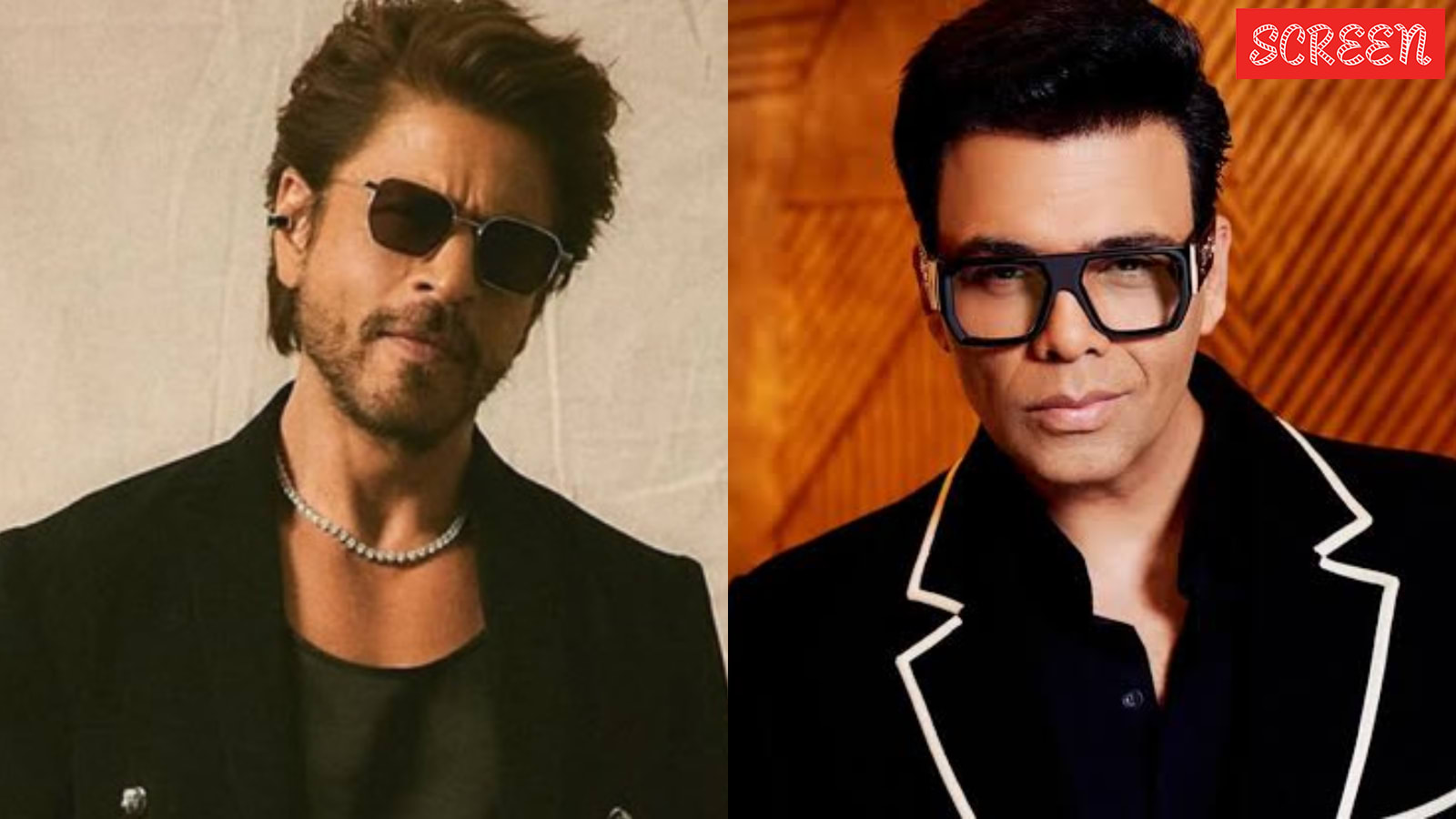
Former Bigg Boss executive Anand Chavan revealed that the show initially aimed to cast major Bollywood icons like Shah Rukh Khan and Karan Johar for its debut season. These claims offer a rare look into the strategic ambition behind the early development of India's most controversial reality television franchise.
The Ambitious Origins of Bigg Boss: A Strategic Vision
Recent revelations from Anand Chavan, the former vice president and talent manager for the reality phenomenon Bigg Boss, have shed light on the high-stakes strategy employed during the show's nascent stages. As the franchise marks its 20th season, these insights into the inaugural season provide a fascinating glimpse into the production's original blueprint. The revelation that the team aimed to secure top-tier Bollywood royalty—specifically Shah Rukh Khan and Karan Johar—underscores an intent to launch the format with maximum cultural impact and immediate mainstream legitimacy.
The Quest for A-List Stature
In an industry where reality television was still finding its footing in the Indian market, the approach to talent was aggressive and aspirational. By targeting figures like Shah Rukh Khan, the production team sought to leverage the immense star power of Bollywood’s elite to anchor the voyeuristic format. This strategy reflects a common industry tactic where the perceived 'prestige' of the initial cast dictates the long-term viability and public perception of a new television property. Even if these A-listers eventually declined, the attempt itself highlights the production's ambition to create a household name from the outset.
Challenges in Reality Casting
Casting for a show as volatile as Bigg Boss presents a unique set of challenges. Unlike traditional film roles, reality television requires a level of personal exposure that many established stars are hesitant to provide. The dynamic between the production's 'wishlist' and the realities of celebrity brand management often results in a significant gap. The fact that the team had to pivot from its initial high-profile targets suggests a necessary evolution in how Bigg Boss defines its 'star' power, eventually moving toward a mix of controversial public figures and rising talent that better suits the show's high-octane, conflict-driven nature.
The Evolution of the Bigg Boss Brand
Over the course of two decades, Bigg Boss has successfully transformed from a daring experiment into a cultural juggernaut. The early attempts to court industry giants like Karan Johar signify a time when the show needed to prove its pedigree. Today, the brand is strong enough to create its own stars, but the foundational ambition described by Chavan remains a cornerstone of the show's marketing identity. By consistently aligning itself with the biggest names in entertainment, Bigg Boss maintains its status as a central pillar of Indian popular culture.
Broader Implications for Reality TV
The revelation of these early casting attempts serves as a broader case study on the evolution of reality television in India. It illustrates the 'top-down' approach where producers believe that star power can manufacture engagement. As the show matured, it learned that the format itself—the house, the tasks, and the psychological pressure—often becomes the true star of the show. While Shah Rukh Khan and Karan Johar were not part of that first season, the historical context provided by Chavan confirms that Bigg Boss was designed from day one to be an ambitious, industry-defining endeavor.