Bihar CM Samrat Choudhary announces the establishment of Bihar’s first women’s university
Source Entity
India Latest News: Top National Headlines Today & Breaking News | The Hindu
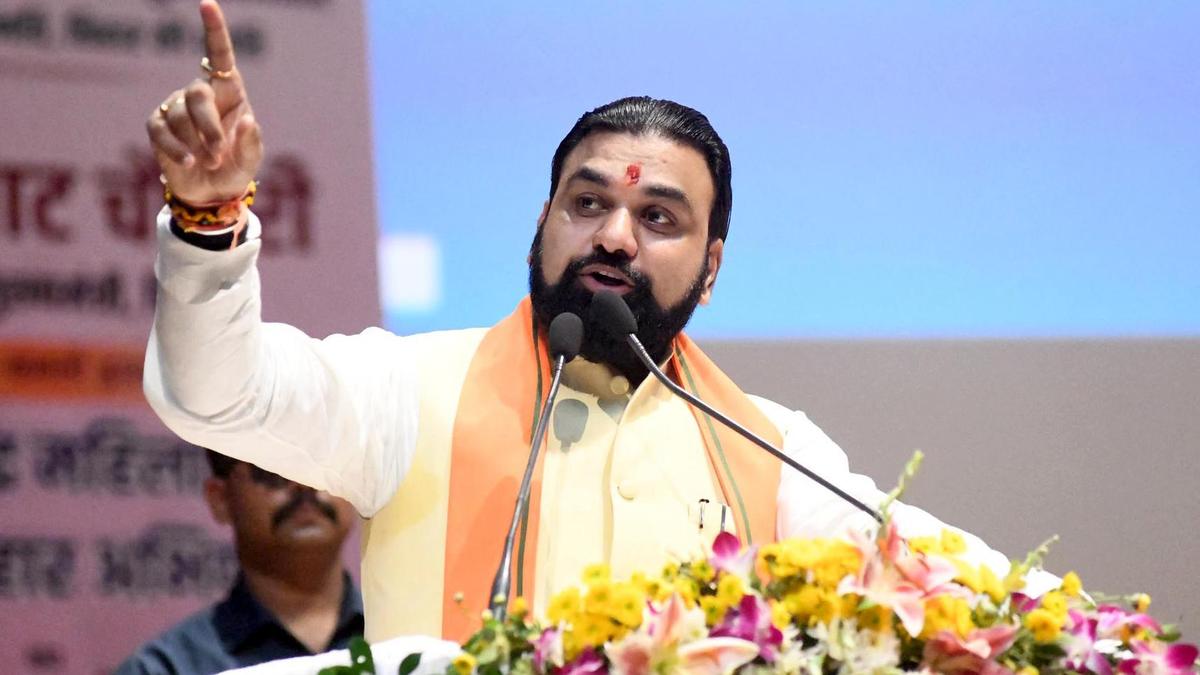
The Bihar government has announced the establishment of a dedicated women's university and agreed to conduct the TRE-4 teacher recruitment exam in a single phase. These policy shifts follow 10 days of student protests and the formation of a new committee to oversee examination reforms.
Bihar Announces Major Educational Reforms and Women-Led University
On August 27, 2026, the Bihar government, led by announcements from Chief Minister Samrat Choudhary, unveiled a transformative vision for the state's educational landscape. The government committed to establishing Bihar’s first women’s university, an institution uniquely designed to be staffed entirely by women, from the Vice-Chancellor down to the administrative and academic personnel. This initiative is framed under the broader vision of 'Viksit Bharat-Samridh Bihar' (Developed India-Prosperous Bihar), emphasizing the administration's belief that national development is intrinsically linked to the empowerment and prosperity of women.
Addressing Student Agitation Through Policy
The announcement coincided with a significant resolution to a 10-day student protest regarding the Teacher Recruitment Examination (TRE-4). Following intensive discussions between senior Education Department officials and a delegation of 13 student representatives, the government agreed to the core demand of conducting the TRE-4 in a single phase. This decision marks a pivotal shift in how the state handles large-scale recruitment, moving toward a more streamlined and responsive governance model.
The 'One Candidate, One Result' Movement
The protests, which had entered their 10th day, were primarily driven by the 'One Candidate, One Result' demand. Students argued that the current system leads to unnecessary 'seat wastage,' where high-scoring candidates occupy multiple positions across categories—from primary to secondary levels—thereby depriving other qualified aspirants of employment opportunities. While the government has agreed to the single-phase exam format, they have also committed to addressing the 'one candidate, one result' issue in accordance with established rules, signaling a willingness to engage in structural reform.
Institutionalizing Examination Reforms
Beyond the immediate resolution of the TRE-4 dispute, the Bihar government has instituted a 'Special Expert Committee on Examination Reforms.' This body, to be chaired by a judge of the Patna High Court, is tasked with recommending systemic improvements to various state-level examinations. By including a judicial oversight component, the government is attempting to restore trust in the recruitment process and provide a formal, transparent channel for students to lodge complaints or suggest improvements.
Future Implications and Strategic Governance
The integration of a women-exclusive university and the formalization of a recruitment calendar suggests a two-pronged strategy: long-term social engineering through education and immediate administrative stabilization. By creating an environment where women handle all academic and administrative functions, the state aims to set a new benchmark for gender-inclusive leadership. Simultaneously, the focus on a predictable recruitment calendar and age-limit adjustments indicates an effort to professionalize the state’s human resources pipeline.
Conclusion
The recent developments in Bihar reflect a government attempting to balance ambitious social policy with the practical demands of its youth population. By yielding to student demands regarding the TRE-4 exam and institutionalizing reform through a high-level committee, the state has effectively ended a significant period of civil unrest. Looking forward, the success of these initiatives will depend on the effective implementation of the new examination reforms and the successful launch of the women’s university as a center for genuine academic and leadership excellence.
Multiple Citing Sources
Verification Required?