Nepal flash floods: Hanging glacier collapse in focus, NDMA for hard look to reduce future risks
Source Entity
Nikhil Ghanekar, Amitabh Sinha
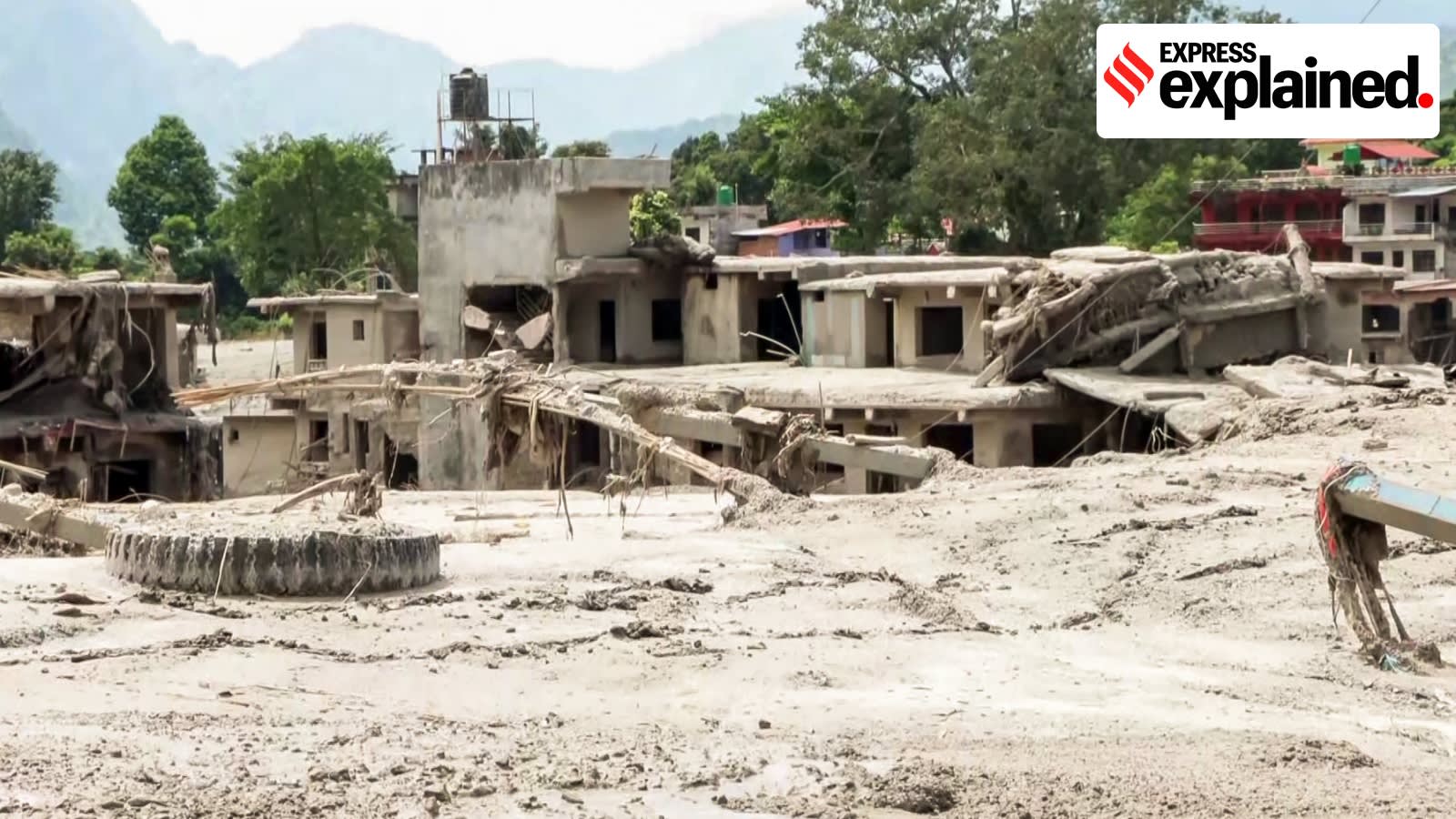
Nepal faces a humanitarian crisis following flash floods that have left dozens dead and hundreds missing, prompting high alerts in India. Meanwhile, tensions have escalated in Rae Bareli after the desecration of a Dr. B.R. Ambedkar statue, leading to increased security and police investigations.
Regional Crisis: Nepal Flash Floods and Indian Border Alerts
A severe flash flood event occurring approximately 200 kilometers north of the Indian border has triggered a humanitarian emergency in Nepal, with reports of dozens of fatalities and nearly 400 tourists—including 105 Indian nationals—currently missing. The catastrophe, fueled by heavy rainfall, has prompted authorities in the Indian states of Uttar Pradesh, Bihar, and Uttarakhand to issue high-level alerts. The situation is particularly critical as water flows from the Trishuli and Bhote Koshi rivers converge into the Gandak river system, threatening to breach established water level thresholds in northern India.
The Hydrological Implications for North India
The geography of the region necessitates close monitoring of transboundary river systems. With the opening of barrage gates in Nepal to manage the surge, the Ghaghara, Rapti, and Kosi rivers are experiencing increased discharge volumes. The potential for secondary flooding in Bihar and Uttar Pradesh remains high, as the cumulative water flow from the Gandak and Narayani rivers creates significant pressure on downstream infrastructure. Disaster management teams are currently prioritizing the mitigation of potential infrastructure damage and the protection of settlements situated along these vulnerable riverbanks.
Social Unrest in Rae Bareli: The Ambedkar Statue Incident
Simultaneously, a separate, localized crisis emerged in the village of Baburiha in the Raebareli district of Uttar Pradesh. On August 25, 2026, residents discovered that the statue of Dr. B.R. Ambedkar had been desecrated with mud and soot, an act that has sparked significant communal tension. The desecration of symbols honoring Dr. Ambedkar—a pivotal figure in Indian social reform—frequently acts as a flashpoint for regional unrest. The local community has expressed profound anger, labeling the act a deliberate provocation by unknown miscreants operating under the cover of darkness.
Law Enforcement Response and Community Stability
In response to the tension in Baburiha, the local police administration, led by the Additional Superintendent of Police and the Circle Officer of Unchahar, intervened to prevent the situation from escalating into widespread violence. The deployment of police forces serves as a necessary precautionary measure to maintain public order while investigations proceed. By providing public assurances of a swift and fair investigation, authorities are attempting to pacify the affected residents and restore confidence in the rule of law.
Concluding Perspectives
These two events highlight the multifaceted challenges currently facing northern India. The first represents an environmental and cross-border disaster management challenge, necessitating seamless cooperation between Nepal and India to mitigate the loss of life and property. The second underscores the persistent vulnerability of social harmony to acts of vandalism. Both situations highlight the critical importance of proactive governance—whether through disaster preparedness or the rapid, transparent resolution of communal grievances—in ensuring the safety and stability of the region.
Multiple Citing Sources