VB-G RAM G funds for Jal Jeevan Mission 2.0: Two secretaries stress on ‘integrated planning’
Source Entity
The Indian Express
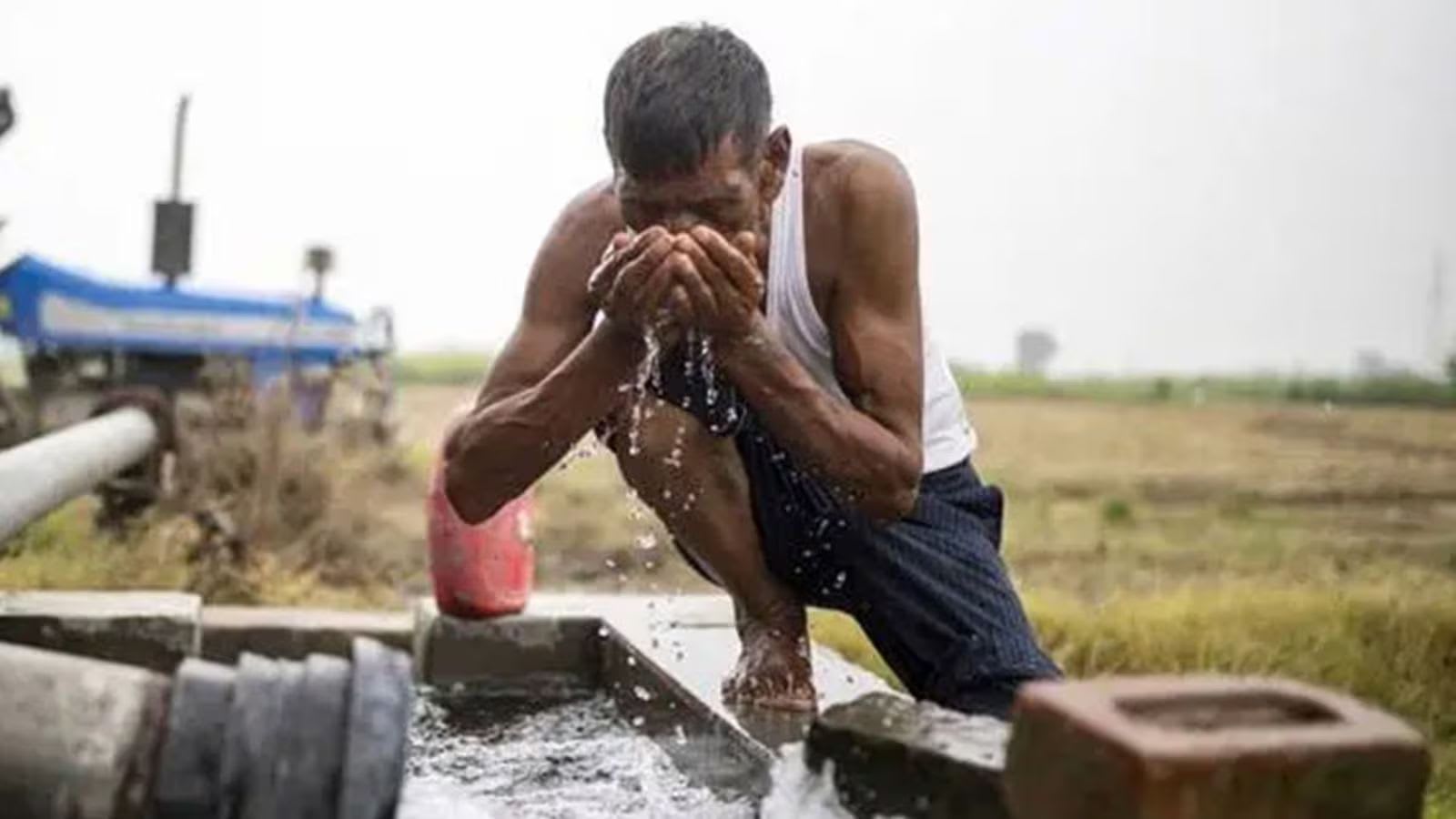
The Indian government is pushing for the integration of VB-G RAM G funds with the Jal Jeevan Mission 2.0 to enhance water security. Secretaries from the Ministries of Jal Shakti and Rural Development are advocating for unified planning to ensure sustainable rural drinking water infrastructure.
Strengthening Rural Infrastructure: The Integration of VB-G RAM G and Jal Jeevan Mission 2.0
The Indian government has initiated a strategic shift in rural development policy by directing states to leverage funds from the Vibrant Villages-Gram (VB-G RAM G) program for the Jal Jeevan Mission 2.0. This mandate, communicated via a joint letter from the Department of Drinking Water and Sanitation and the Department of Rural Development, marks a significant push toward fiscal and operational convergence in rural infrastructure projects.
The Strategic Rationale for Convergence
At the heart of this directive is the concept of 'integrated planning.' By merging the resource allocation of VB-G RAM G with the sustainability goals of the Jal Jeevan Mission 2.0, the Centre aims to address the persistent challenge of water source sustainability. Historically, rural water projects have often struggled with longevity due to fragmented planning; this new approach forces state-level administrators to harmonize their development goals to ensure that drinking water infrastructure is not just installed, but maintained through robust, multi-thematic planning.
Water Security as a Thematic Pillar
Water security has been officially designated as one of the four core thematic focus areas under the relevant legislative framework. This recognition underscores the government's understanding that water is not merely a utility but a foundational element of rural survival. Without consistent access to safe drinking water, agricultural productivity, climate resilience, and long-term economic stability in rural regions remain unattainable. By prioritizing this, the ministries are signaling a shift toward holistic rural development.
Collaborative Governance
The joint communication from Secretary Ashok K.K. Meena and Secretary Rohit Kansal highlights a move toward breaking departmental silos. By involving Principal Secretaries and Commissioners directly, the Centre is ensuring that the accountability for water sustainability is shared across both water-focused and rural-development-focused administrative bodies. This administrative synergy is expected to streamline the deployment of funds and reduce bureaucratic friction in project execution.
Future Trends and Sustainability
Looking ahead, this integration suggests a broader trend in Indian governance where 'convergence' becomes the primary mechanism for resource optimization. As climate change continues to impact rural hydrology, the ability to tap into varied funding streams—such as those provided by the VB-G RAM G—will be critical for maintaining the momentum of the Jal Jeevan Mission 2.0. The success of this initiative will likely serve as a blueprint for future rural infrastructure projects, emphasizing long-term resilience over short-term expansion.
Conclusion
In summary, the push to align VB-G RAM G funds with the Jal Jeevan Mission 2.0 represents a pragmatic and necessary step toward sustainable rural growth. By focusing on integrated planning and recognizing water security as a central pillar of development, the government is better positioned to secure the livelihoods of rural populations against the backdrop of an evolving climatic and economic landscape.