CWC to hold meets on AP-TG water row on Sept. 7, on Tummidihatti on Sept. 1
Source Entity
India Latest News: Top National Headlines Today & Breaking News | The Hindu
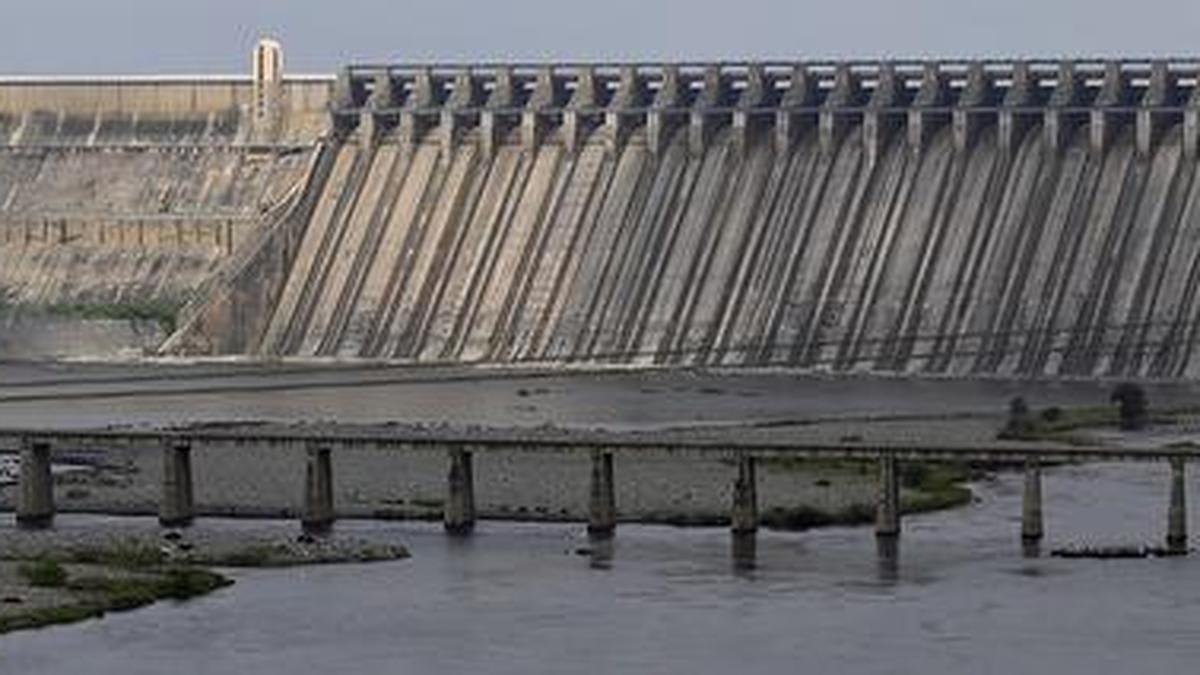
The Ministry of Jal Shakti has scheduled critical meetings to address escalating water disputes between Andhra Pradesh and Telangana. These talks follow unilateral water releases that bypassed the Krishna River Management Board, highlighting urgent interstate tensions.
Escalating Water Disputes: CWC Intervention in AP-Telangana Conflict
The Context of the Jal Shakti Intervention
The Ministry of Jal Shakti has mobilized the Central Water Commission (CWC) to address a resurgence in water sharing disputes between Andhra Pradesh and Telangana. A committee, established in January, is set to convene in New Delhi on September 7 to mediate these long-standing tensions. This intervention is particularly urgent following a direct reference from Telangana Chief Minister A. Revanth Reddy, signaling that the dispute has reached the highest levels of state governance.
The Catalyst: Unilateral Water Releases
The immediate trigger for this diplomatic escalation is the recent unilateral decision by Andhra Pradesh to release water into the Nagarajunsagar Right Canal. This action was taken without the mandatory authorization of the Krishna River Management Board (KRMB), effectively circumventing the regulatory framework designed to ensure equitable distribution. In a rapid retaliatory move, Telangana commenced its own water release into the Left Canal, further complicating the hydrological and administrative situation.
Administrative and Regulatory Challenges
At the core of this conflict lies the challenge of managing interstate river resources in a post-bifurcation landscape. The KRMB was established to act as a neutral arbiter, yet the current events demonstrate a significant breakdown in adherence to its protocols. When states bypass established boards, it undermines the institutional trust required for sustainable water management, forcing the Ministry of Jal Shakti to step in as a federal mediator to prevent further escalation.
Historical Context and Future Implications
River water sharing has historically been a flashpoint for regional politics in India. The current standoff between Andhra Pradesh and Telangana is a continuation of these complex historical grievances regarding irrigation access and power generation. The upcoming meetings are not merely technical; they are political negotiations that will set the tone for future water-sharing agreements. If the CWC fails to enforce compliance, it risks setting a precedent where states feel empowered to manage shared resources unilaterally.
The Path Toward Resolution
The scheduled meetings—including the September 1 session on Tummidihatti and the September 7 session on the Krishna river dispute—are critical junctures. The participation of the Secretaries of Irrigation and Water Resources from both states is essential to stabilize the situation. The success of these talks will depend on whether the states are willing to return to the oversight of the KRMB and respect the federal guidelines intended to balance the needs of both agricultural and urban populations in the region.
Verification Required?