Bihar CM Samrat Choudhary conducts aerial survey along Gandak river
Source Entity
The Indian Express
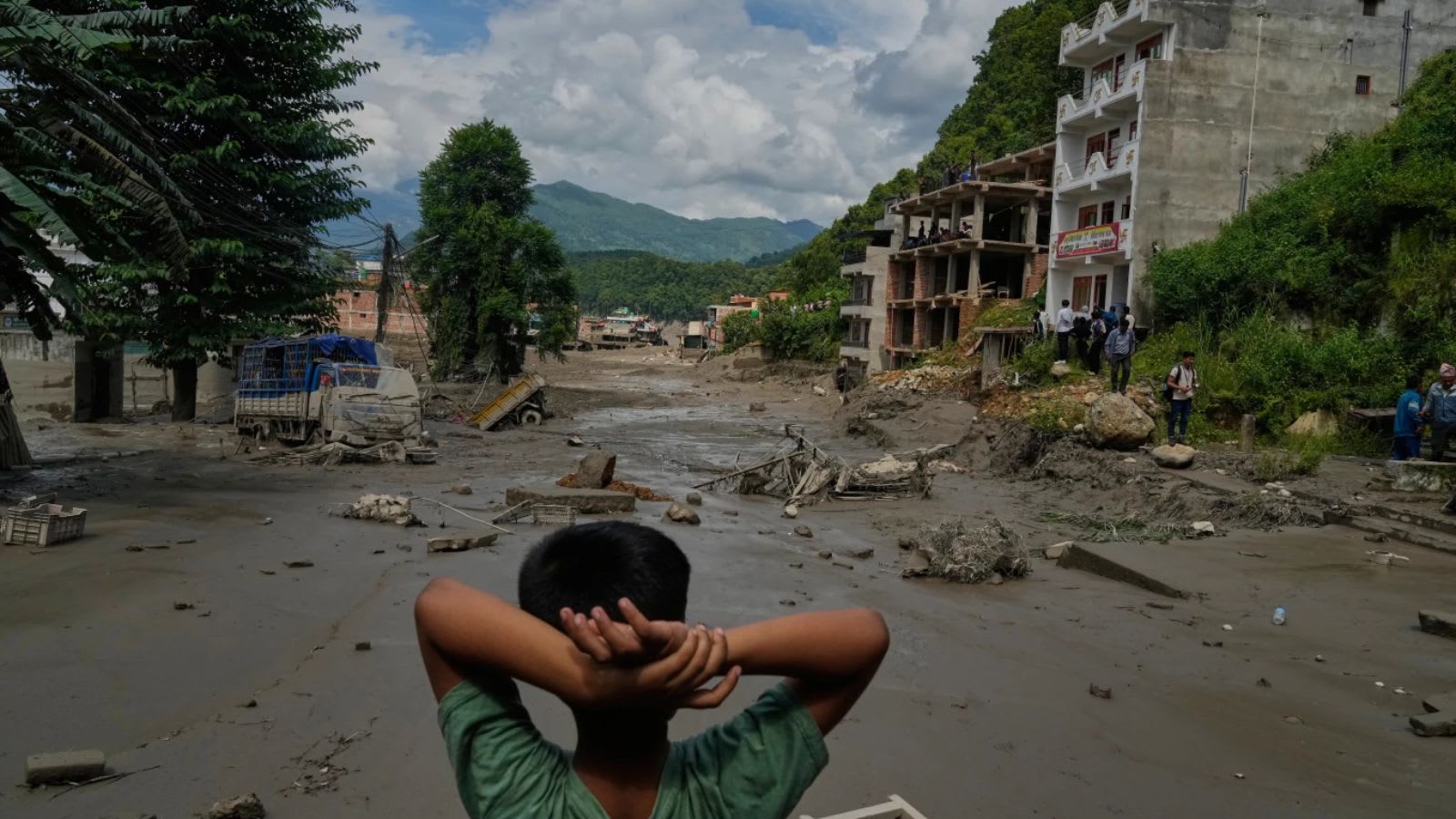
Northern Indian states are on high alert due to flash floods originating in Nepal, while tensions simmer in Uttar Pradesh's Rae Bareli following the desecration of an Ambedkar statue. Authorities are managing both the environmental disaster and the local communal unrest to maintain order.
Regional Security and Environmental Challenges in Northern India
Flash Floods Threaten Border Districts
A significant environmental crisis has emerged as heavy rainfall and the opening of barrage gates in Nepal have triggered flash floods, creating an urgent alert for the Indian states of Uttar Pradesh, Bihar, and Uttarakhand. The disaster, which occurred approximately 200 km north of the Indian border, has already resulted in dozens of fatalities and left nearly 400 tourists—including 105 Indian nationals—missing. The hydrological impact is expected to propagate through the mountain valleys, significantly increasing water levels in vital river systems.
Hydrological Implications for Uttar Pradesh and Bihar
The surge is expected to impact several key rivers that flow from Nepal into India. Specifically, the Ghaghara and Rapti rivers in Uttar Pradesh, along with the Kosi in Bihar, are under observation due to the increased flow. Furthermore, the Gandak river system faces a compounded risk. The Trishuli river, which integrates flow from the Bhote Koshi originating in Tibet, feeds directly into the Gandak, raising concerns about potential inundation in parts of north Bihar and Uttar Pradesh. These river systems are the lifeblood of these regions, and sudden surges pose severe risks to infrastructure and agriculture.
Social Unrest in Rae Bareli
Concurrently, social stability in Uttar Pradesh has been challenged in the Baburiha village of the Rae Bareli district. On the night of August 25, 2026, unknown individuals desecrated a statue of Dr. B.R. Ambedkar by smearing it with mud and soot. The incident has caused significant local outrage, as residents view the act as a direct affront to the legacy of a revered national figure. The expression of anger by local residents highlights the sensitivity surrounding communal and social symbols in the region.
Law Enforcement and Crisis Management
The response from local authorities has been swift in both instances. In Rae Bareli, the Additional Superintendent of Police and the Circle Officer of Unchahar arrived on-site to de-escalate the situation. By engaging directly with the villagers and promising a rigorous investigation, the police have managed to keep the situation under control. A precautionary deployment of security forces remains in place to prevent any further escalation of tensions.
Broader Implications and Future Trends
These events underscore the dual-pronged challenges faced by administrators in Northern India: managing the unpredictability of transboundary natural disasters and maintaining social harmony. The flash floods demonstrate the critical need for cross-border water management and early warning coordination between India and Nepal. Similarly, the incident in Rae Bareli reflects the ongoing necessity for stringent community policing and the protection of public monuments to ensure that social cohesion is not disrupted by acts of vandalism. Moving forward, the focus must remain on disaster resilience and the swift, impartial application of the law to maintain stability.
Multiple Citing Sources