Bihar Congress row deepens as expelled leaders protest in Delhi, seek total revamp
Source Entity
Latest News: Todays Latest News Headlines from India & World | Hindustan Times | Hindustan Times
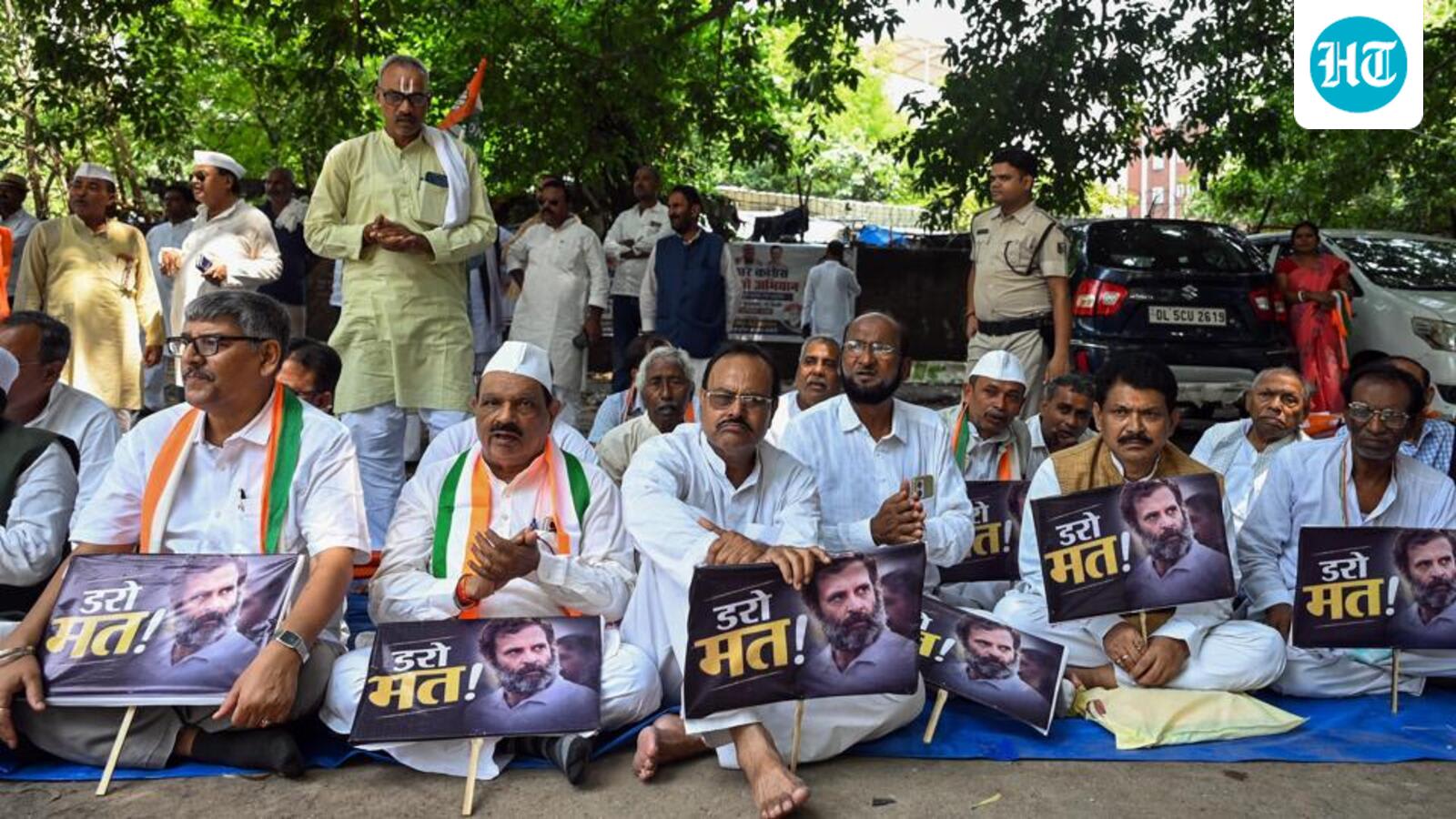
Expelled Bihar Congress leaders protested at the party's Delhi headquarters, demanding a leadership overhaul following the 2025 assembly election defeat. The party, however, is currently prioritizing internal crises in Punjab and four other states.
Turmoil in the Bihar Congress: A Call for Structural Reform
The internal crisis within the Bihar unit of the Indian National Congress has reached a critical juncture, as a group of expelled leaders staged a significant demonstration outside Indira Bhavan in New Delhi. Led by former party spokesperson Anand Madhav, the protesters utilized the public space to voice their deep-seated grievances regarding the current state leadership. The primary demand of the agitators is the immediate removal of state unit chief Rajesh Kumar and party in-charge Krishna Allavaru, whom they hold accountable for the party’s poor performance in the 2025 assembly elections.
The 'Corporate NGO' Critique
Anand Madhav’s characterization of the Bihar Congress as operating like a "corporate, that too in NGO format" highlights a growing disconnect between the party's grassroots base and its administrative hierarchy. This critique suggests that the leadership has lost touch with the traditional political machinery of the state, opting for a style of governance that feels alien to party workers. By staging a five-hour dharna, these expelled leaders are attempting to force a conversation about organizational culture, arguing that the current structure is stifling engagement and contributing to electoral decline.
Seeking High-Level Intervention
The protesters are actively seeking an audience with the Leader of the Opposition in the Lok Sabha, Rahul Gandhi. This move represents a strategic attempt to bypass the state-level leadership and escalate their concerns to the national high command. By requesting a formal meeting, the dissidents hope to present evidence of the systemic failures they believe are plaguing the Bihar unit, framing their protest not as an act of rebellion, but as a necessary intervention to save the party from further erosion of its voter base.
The National Context: A Strained Resource Pool
While the situation in Bihar is undoubtedly volatile, it is occurring within a broader context of national organizational challenges for the Congress. Reports indicate that the party's central leadership is currently preoccupied with managing severe factionalism in Punjab, alongside crises in four other states. This creates a difficult bottleneck for the Bihar protesters; the national party is forced to triage its internal conflicts, often prioritizing states where the political stakes are perceived to be more immediate or where internal divisions threaten the party's viability in upcoming legislative agendas.
Future Implications and Party Stability
The standoff between the expelled leaders and the central command underscores a recurring theme in the Congress party's recent history: the struggle to balance local leadership autonomy with central oversight. If the national leadership continues to prioritize other regions, the alienation of the Bihar cadre could lead to a permanent loss of institutional memory and local influence. Conversely, a total revamp of the Bihar unit would signal a major shift in how the high command handles dissent, potentially setting a precedent for how other state units are restructured in the wake of electoral setbacks.
Multiple Citing Sources
Verification Required?