SIR helped Bihar achieve record poll turnout, says CEC Gyanesh Kumar
Source Entity
India Latest News: Top National Headlines Today & Breaking News | The Hindu
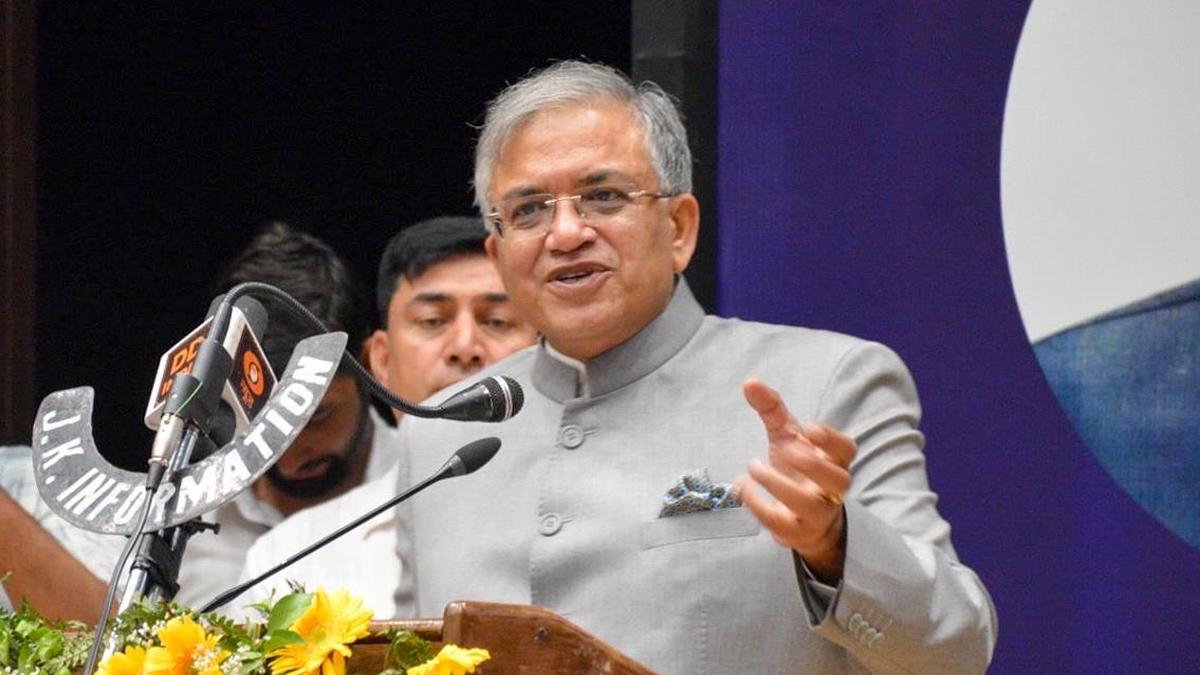
Chief Election Commissioner Gyanesh Kumar credits the Special Intensive Revision (SIR) of electoral rolls for achieving record-breaking voter turnout in the 2025 Bihar Assembly elections. This initiative, which saw 7 million names removed from the rolls, resulted in participation rates surpassing those of several major developed nations.
The Impact of Electoral Roll Purification on Bihar’s Democracy
Chief Election Commissioner (CEC) Gyanesh Kumar recently highlighted a significant milestone in Indian electoral history, noting that the 2025 Bihar Assembly elections achieved the highest voter turnout in the state since Independence. During a high-level visit to Patna, the CEC attributed this surge in civic participation directly to the 'Special Intensive Revision' (SIR) of electoral rolls conducted in the preceding year.
The Mechanics of the Special Intensive Revision
The SIR was a massive administrative undertaking designed to ensure the integrity of the voter database. Over a rigorous three-month period, the Election Commission of India facilitated a comprehensive review of the state's electoral rolls. A critical component of this success was the identification and removal of approximately 7 million redundant or ineligible names. By refining the accuracy of the voter list, the Commission ensured that the electoral rolls were more representative of the actual voting population, thereby streamlining the process for legitimate voters.
Bihar’s Turnout in a Global Context
The most striking claim made by CEC Gyanesh Kumar is that Bihar’s 2025 turnout exceeded the participation rates of several advanced democracies, including the United States, the United Kingdom, France, Spain, and Japan. This comparison underscores a growing trend in Indian democracy: while many established Western nations grapple with voter apathy and stagnating participation rates, India’s state-level elections continue to see robust and increasing engagement from the electorate.
Historical Significance and Democratic Pride
Addressing the media at the Patna airport, the CEC invoked the historical legacy of the region, specifically referencing Vaishali, often cited as the 'cradle of democracy.' By connecting the success of modern electoral administration to the ancient democratic traditions of Bihar, the Commission emphasizes that the state remains a vital engine of Indian democratic vitality. This narrative serves to bolster public confidence in the electoral process and the efficacy of administrative reforms.
Broader Implications for Future Elections
The success of the SIR in Bihar provides a blueprint for future electoral exercises across India. By prioritizing the 'purification' of rolls, the Election Commission of India has demonstrated that administrative diligence can directly correlate with higher voter engagement. Moving forward, this model of intensive revision may become a standard requirement for states facing challenges with outdated or bloated electoral lists, potentially setting a new benchmark for electoral management worldwide.
Conclusion
The 2025 Bihar Assembly elections stand as a testament to the power of administrative reform in strengthening democratic institutions. With the Election Commission’s delegation—including Senior Deputy Election Commissioner Manish Garg and other key officials—overseeing these developments, the focus remains on maintaining this momentum. As Bihar continues to lead by example, the global community may look to such initiatives as a case study in how to effectively combat the challenges of modern electoral participation.
Verification Required?